Stainless Steel Wire Mesh Technical Performance Analysis
Selecting the appropriate filtration or screening medium often comes down to a critical balance between structural integrity and open area. In high-stress industrial environments, the choice of material can determine the lifespan of a system and the purity of the ou
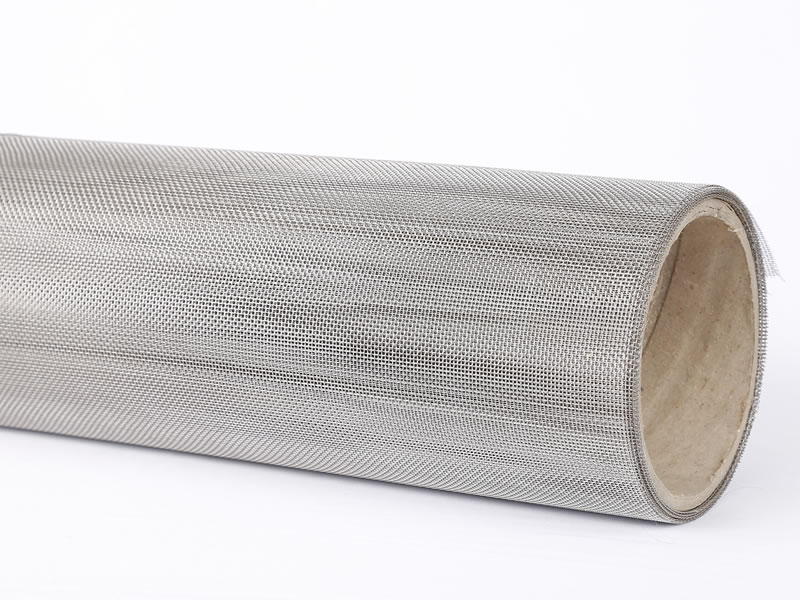
Selecting the appropriate filtration or screening medium often comes down to a critical balance between structural integrity and open area. In high-stress industrial environments, the choice of material can determine the lifespan of a system and the purity of the output.
While various alloys exist, the specific properties of stainless steel—particularly its resistance to oxidation and mechanical strength—make it the primary candidate for precision weaving. The challenge for engineers is not just choosing the metal, but selecting the specific weave geometry and alloy grade that matches the fluid dynamics or particle size of their specific application.
Understanding the technical nuances of Stainless Steel Wire Mesh is essential for optimizing flow rates and minimizing maintenance downtime in chemical, food, and pharmaceutical processing.
Material Foundations and Alloy Grades
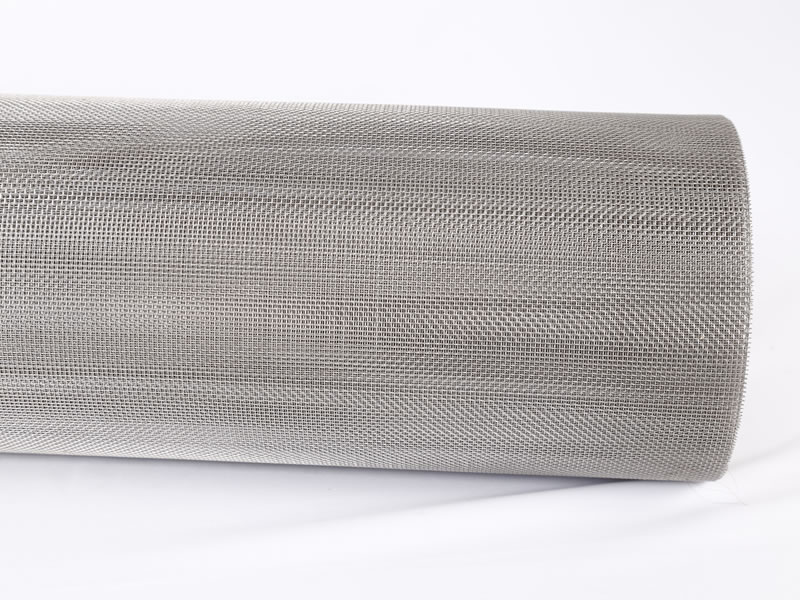
The performance of any wire cloth begins with the metallurgy of the wire. Stainless steel is prized for its inherent corrosion resistance and high strength-to-weight ratio. Common grades such as 304 and 304L serve as the standard for general commercial use, providing a balance of cost and durability.
For more aggressive environments, 316 and 316L are utilized due to the addition of molybdenum, which enhances resistance to chlorides and marine environments. Specialty alloys like 310, 310S, 314, and 321 are deployed when extreme temperature stability or specific chemical inertness is required, ensuring the mesh does not stain or degrade under thermal stress.
Weave Geometry and Structural Mechanics
The way wires are interlaced defines the mesh's functional capacity. Plain weave, the most fundamental pattern, involves a simple over-under sequence at 90-degree angles. This creates a stable, high-flow structure where warp and weft diameters are typically identical, making it the primary choice for basic commercial filtration.
Twill weaving introduces a shift in the interlacing pattern, where weft wires pass over two or more warp wires. This structural shift allows for a heavier wire diameter to be utilized within a similar mesh count compared to plain weave. Consequently, twill mesh can handle significantly greater mechanical loads while maintaining a finer filtration capability.
Dutch weaving represents a more specialized approach. In Plain Dutch weave, warp wires are larger than weft wires, creating a tighter cloth. The Reverse Plain Dutch weave flips this relationship, producing an extremely strong, easily cleaned mesh with a high flow rate, ideal for high-pressure industrial separators.
The Correlation Between Weave and Flow Rate
The efficiency of a filtration system is measured by its "open area"—the percentage of the mesh that is actually open space. This value is a direct result of the wire diameter and the mesh count (wires per inch). A higher mesh count generally means smaller apertures, which increases filtration precision but potentially restricts flow.
The transition from Plain to Twilled Dutch weaving transforms the filtration path from a straight-through aperture to a sinuous, depth-based path. This effectively turns the mesh into a "light-tight" Micromesh, essential for critical applications where absolute particle retention is mandatory.
In high-pressure systems, the structural stability of the weave prevents "blind-off" or deformation. This is why Twilled Dutch weaves are preferred for critical filtration; they provide a smooth surface and extreme strength, ensuring that the filtrate follows a controlled path without compromising the integrity of the mesh.
Comparative Analysis of Mesh Performance
When evaluating different weaving styles, engineers often use a relative performance index to determine the best fit for a specific operational requirement. For instance, while plain weave offers the highest flow rate for coarse particles, it lacks the load-bearing capacity of twill weaves.
Conversely, Dutch weaves prioritize the "depth" of filtration. By manipulating the ratio between warp and weft wire diameters, the mesh can be tuned to act as either a high-flow screen or a high-pressure precision filter.
Figure 2. Relative Performance Index by Weave Type
Practical Integration in Industrial Scenarios
In a typical industrial setting, such as a chemical processing plant, the mesh is often subjected to both corrosive reagents and high-velocity fluid streams. Here, the use of 316L stainless steel in a Twilled Dutch weave is common, as it prevents the mesh from stretching or tearing under pressure while resisting pitting corrosion.
Another application is seen in security and architectural screens. In these cases, the focus shifts from filtration to strength and aesthetics. By utilizing high-tensile stainless steel wires and specialized weaving methods, manufacturers can create "security screens" that are knife-proof and fire-resistant, replacing traditional iron gratings without sacrificing airflow or visibility.
Evolution of Precision Weaving Standards
The industry is moving toward increasingly tighter tolerances. Modern weaving machinery now allows for the production of meshes with apertures measured in microns, which are critical for the semiconductor and pharmaceutical industries. This shift requires not only better machinery but also higher purity wire to avoid contamination.
There is also a growing trend toward "cut-to-size" precision. By providing mesh in exact lengths, companies reduce material waste and lower the overall cost for the end-user. This economical approach is paired with customized finishing processes to enhance the lustre or the corrosion resistance of the alloy.
Furthermore, the integration of hybrid weaves—combining different weaving styles in a single sheet—is being explored to create graded filters. These filters capture larger particles on the outer layers and finer particles on the inner layers, significantly extending the service life of the filtration element.
Selection Framework for Procurement
Choosing the right mesh requires a systematic evaluation of the environment. The first step is identifying the chemical exposure to determine the alloy grade (e.g., 304 for mild environments, 316 for chlorides). The second step is defining the target particle size to determine the mesh count and aperture.
Once the material and size are set, the weave type is chosen based on the mechanical load. If the system involves high-pressure filtrate, a Dutch weave is superior. For simple screening with high flow requirements, a plain weave is usually sufficient and more cost-effective.
The following table provides a conceptual framework for matching the weave type to the specific industrial requirement, ensuring that the structural properties of the Stainless Steel Wire Mesh align with the operational goals.
| Weave Type | Primary Strength | Filtration Profile | Recommended Use |
|---|---|---|---|
| Plain Weave | Maximum Open Area | Surface Filtration | General Commercial / Coarse |
| Twill Weave | Higher Load Capacity | Fine Filtration | Heavy Duty / Industrial |
| Plain Dutch | Tight Interlock | Depth Filtration | High-Flow Precision |
| Reverse Dutch | Extreme Strength | Balanced Flow | High-Pressure Separators |
| Twilled Dutch | Light-Tight Seal | Micron-Level Path | Critical High-Pressure |
| Five-Heddle | Complex Geometry | Specialized Path | Custom Technical Screens |
Questions & Answers
Grade 316 and 316L are the preferred choices for marine or salt-exposed environments. The addition of molybdenum to the chromium-nickel alloy significantly increases resistance to pitting and crevice corrosion caused by chlorides, which would otherwise degrade standard 304 stainless steel quickly.
Plain weave is a basic 1:1 interlacing, offering the highest open area and flow rate but lower structural strength. Twill weave involves a shifted pattern (e.g., 2:1), allowing for thicker wires to be used within the same mesh count, which increases the mesh's ability to withstand heavy loads and provides finer filtration.
Unlike standard weaves where warp and weft wires are usually the same diameter, Dutch weaving uses wires of different diameters. This creates a much tighter, more compact fabric that enables "depth filtration," where particles are trapped within the thickness of the cloth rather than just on the surface.
Yes, but the grade must be chosen carefully. While 304 and 316 are suitable for moderate heat, grades like 310, 310S, and 321 are specifically designed for high-temperature stability and oxidation resistance, making them ideal for furnaces, heat exchangers, and chemical reactors.
Cost is primarily driven by the alloy grade (specialty alloys are more expensive), the precision of the mesh count (finer meshes require more time and precision), the complexity of the weave (Dutch weaves are more complex than plain), and whether the product is supplied as a roll or cut-to-size lengths.
Clogging, or "blinding," can be reduced by selecting a weave with a smoother surface, such as Twilled Dutch weave, and ensuring the aperture size is correctly matched to the particle distribution. Additionally, using the correct alloy for the environment prevents corrosion-induced buildup, and periodic back-flushing is recommended for filtration systems.
Final Thoughts
The versatility of stainless steel wire mesh lies in the intersection of metallurgy and geometry. Whether the goal is high-pressure liquid filtration, architectural security, or chemical screening, the synergy between the alloy grade and the weaving pattern determines the ultimate success of the application.
By moving away from a "one size fits all" approach and instead adopting a selection framework based on load, flow, and corrosion factors, industries can significantly optimize their operational efficiency. Investing in precision-engineered mesh is not just about material procurement; it is about ensuring long-term system reliability.

Related article & blog

Send Inquiry
If you are interested in our products, leave your information here and we will be in touch shortly.