Concertina Razor Wire Performance Analysis
Securing a high-risk perimeter requires more than just a physical barrier; it demands a psychological deterrent that prevents intrusion before it even begins. In the realm of high-security fencing, few solutions offer the immediate visual impact and physical resista
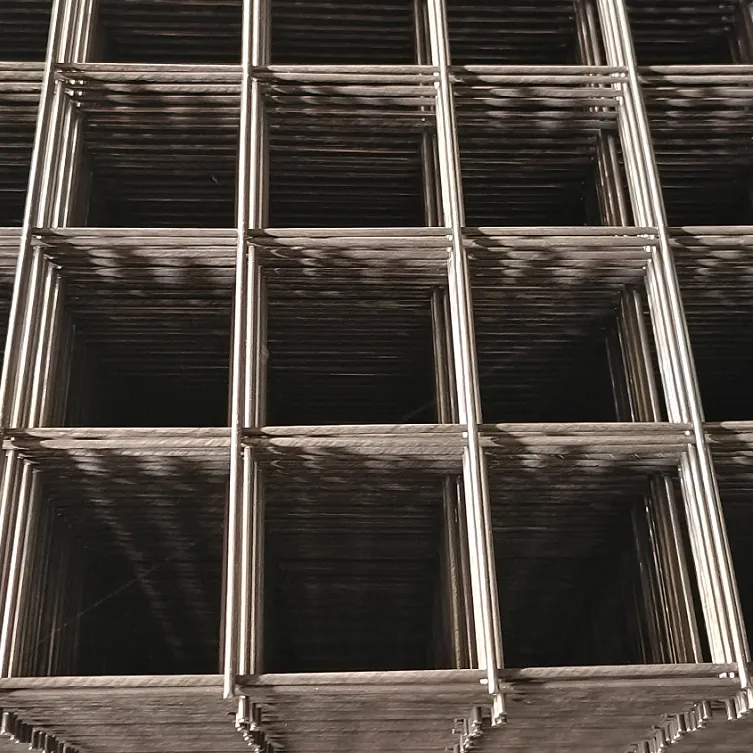
Securing a high-risk perimeter requires more than just a physical barrier; it demands a psychological deterrent that prevents intrusion before it even begins. In the realm of high-security fencing, few solutions offer the immediate visual impact and physical resistance of coiled razor steel.
The shift toward more sophisticated security architectures has led to a renewed focus on the structural integrity and deployment efficiency of perimeter defenses. As urban and industrial facilities face evolving threats, the selection of materials that combine tensile strength with corrosion resistance has become a critical operational priority.
To understand how to optimize these defenses, we must examine the mechanical properties and strategic application of Concertina Razor Wire and how it integrates into a comprehensive security framework.
The Mechanics of Coiled Security Barriers
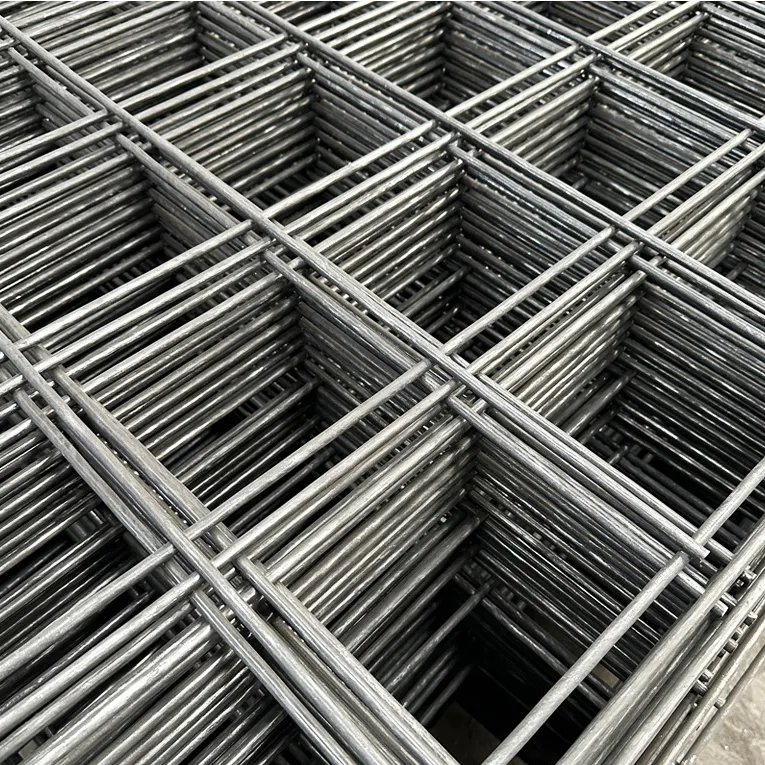
Unlike standard barbed wire, the concertina design relies on a helical structure that creates a multi-layered, three-dimensional obstacle. When expanded, these coils form a dense network of sharp edges that are extremely difficult to penetrate or cut without specialized heavy equipment.
The effectiveness of this system is rooted in its ability to entangle intruders. The overlapping loops ensure that any attempt to move through the barrier results in increased contact with the razor blades, effectively neutralizing the intruder's momentum and providing critical time for security responses.
Material Engineering and Corrosion Control
The longevity of a perimeter barrier is directly proportional to its resistance to environmental degradation. High-tensile steel serves as the foundation, but the surface treatment determines the operational lifespan. In coastal or humid industrial environments, standard steel would succumb to oxidation rapidly, compromising the structural integrity of the coils.
To combat this, industry standards emphasize the use of hot-dip galvanization or specialized epoxy coatings. These processes create a sacrificial layer that protects the core steel from moisture, acids, and alkalis. This ensures that the sharp edges of the blades remain effective and the tension of the coil remains consistent over decades of exposure.
Precision in manufacturing, such as the use of automated CNC technology, ensures that each blade is uniform and each coil diameter is precise. This standardization is essential for seamless installation and ensures that there are no "weak points" in the security line that an intruder could exploit.
Strategic Deployment Logic
Deploying security wire is not a one-size-fits-all process. The layout must be tailored to the specific vulnerability of the site, whether it is a flat boundary wall, a sloped terrain, or an elevated fence top. The goal is to eliminate gaps and ensure a continuous, overlapping barrier.
The most effective security perimeters utilize a layered approach: a primary physical fence for structural definition, topped with high-tension razor coils to provide the active deterrent.
Installation efficiency has also evolved. Modern systems are designed for rapid deployment, reducing the need for extensive on-site binding. This allows security teams to establish a secure perimeter in a fraction of the time required for traditional fencing, which is critical for temporary military installations or urgent industrial site lockdowns.
Performance Metrics for High-Risk Zones
Evaluating the efficacy of a barrier involves analyzing several qualitative and quantitative indices. These include the "cut-through time"—the duration it takes an intruder to create a breach—and the "psychological deterrence factor," which is the likelihood of an intruder abandoning an attempt based on the visual presence of the wire.
When comparing different types of perimeter solutions, the balance between installation speed, lifespan, and deterrence level becomes the primary decision driver. High-tensile razor wire consistently outperforms traditional options in these areas, particularly in industrial settings.
Figure 2. Security Barrier Effectiveness Index
Operational Scenarios and Site Integration
In a typical industrial setting, such as a warehouse platform or a chemical storage facility, the barrier must withstand not only attempted intrusions but also harsh environmental conditions. The integration of razor wire with heavy-duty welded mesh provides a composite defense that handles both structural load-bearing requirements and active security needs.
For municipal projects like subway platforms or drainage covers, the focus shifts toward standardized installation and compliance with safety regulations. In these contexts, the precision of the wire's dimensions—achieved through CNC production—ensures that the security measures do not interfere with public infrastructure while remaining effective against unauthorized access.
Evolution of Perimeter Deterrence Technology
The industry is moving away from simple physical barriers toward "intelligent perimeters." While sensors and cameras provide detection, the physical barrier remains the only tool capable of active denial. The current trend involves combining high-tensile materials with anti-climb mesh to create a surface that offers no grip for intruders.
Another significant shift is the move toward sustainable high-performance coatings. The development of advanced epoxy and galvanized hybrids allows for longer service lives in extreme climates, reducing the total cost of ownership by extending the replacement cycle.
As security requirements become more stringent, the demand for customizable configurations—such as specific coil diameters and blade profiles—has increased. This allows facilities to match their security level exactly to their risk profile, avoiding over-investment while eliminating vulnerabilities.
Selection Framework for Security Procurement
Selecting the right barrier requires a trade-off analysis between initial capital expenditure and long-term operational security. Buyers often overlook the importance of the coating thickness or the core steel grade, which can lead to premature failure in corrosive environments.
A robust procurement framework should prioritize certified quality systems, such as ISO standards, and third-party test reports. This ensures that the product's tensile strength and corrosion resistance are verified facts rather than marketing claims.
Ultimately, the decision should be based on the specific threat model of the site. A facility facing casual trespassers may only need basic coils, while a critical infrastructure site requires heavy-duty, high-tensile razor wire integrated with an automated detection system.
| Barrier Type | Deterrence Level | Installation Speed | Corrosion Resistance |
|---|---|---|---|
| Standard Barbed | Low | Medium | Moderate |
| Chain Link | Low-Medium | Medium | High (Galvanized) |
| Welded Mesh | Medium | Fast | Very High |
| Electric Fencing | High | Slow | Moderate |
| Razor Wire Coil | Very High | Very Fast | High |
| Composite System | Extreme | Medium | Very High |
Questions & Answers
The primary difference lies in the configuration. Standard razor wire is often a flat strip or a single strand. Concertina wire is formed into large, helical coils that can be compressed for transport and expanded on-site. This creates a three-dimensional, overlapping barrier that is significantly harder to bypass or cut through compared to linear wire, as it entangles the intruder in multiple layers of blades.
Coatings are the primary defense against oxidation. Hot-dip galvanization creates a zinc-iron alloy layer that prevents rust. For more aggressive environments—such as chemical plants or salt-heavy coastal areas—epoxy coatings provide an additional non-reactive shield. Without these treatments, the steel would corrode, leading to loss of tension and the blunting of the razor edges, effectively neutralizing the security value of the installation.
Buyers should prioritize three main factors: certification, production technology, and material transparency. ISO-certified quality systems ensure consistency across batches. The use of automated CNC machinery guarantees precise dimensions and uniform blade profiles. Finally, a manufacturer providing third-party test reports for tensile strength and galvanized coating thickness offers a level of trust that prevents the purchase of sub-standard, dangerous materials.
Yes, it is most effective as part of a composite system. It is commonly installed atop welded wire mesh fences or chain-link barriers. In some high-security applications, it is laid directly on the ground in multiple rows to create a "no-go" zone. Integrating these materials allows a facility to combine the structural strength of a mesh fence with the active deterrence and entanglement properties of the razor coil.
While low-maintenance, periodic inspections are necessary to ensure tension has not slackened due to environmental stress or attempted breaches. Maintenance typically involves checking the anchor points and verifying that the coating is still intact. High-quality galvanized or epoxy-coated wire requires minimal intervention, but any signs of deep corrosion should be addressed to prevent the structural failure of the coil.
Razor wire is a passive security measure with virtually zero operational cost after installation, whereas electronic systems require power, monitoring, and frequent technical maintenance. While electronic systems provide detection, they cannot physically stop an intruder. Razor wire provides the physical denial. For most facilities, the most cost-effective and reliable strategy is a hybrid approach: using razor wire for physical deterrence and electronics for notification.
Final Thoughts
Effective perimeter security is a science of layers, where the goal is to maximize the time and effort required for an intruder to breach a boundary. The strategic application of high-tensile, corrosion-resistant security coils remains one of the most reliable methods for achieving this physical denial.
By focusing on material precision and strategic deployment, organizations can build a formidable defense that not only protects assets but also serves as a powerful visual deterrent. Choosing professional-grade manufacturing ensures that this security remains uncompromised regardless of environmental challenges.

Related article & blog

Send Inquiry
If you are interested in our products, leave your information here and we will be in touch shortly.