Wire Mesh Making Machine Technical Performance Analysis
Selecting a Wire Mesh Making Machine is less about finding the fastest motor and more about aligning mechanical precision with the specific metallurgical properties of the wire being processed. For manufacturers, the gap between a high-quality weave and a defective
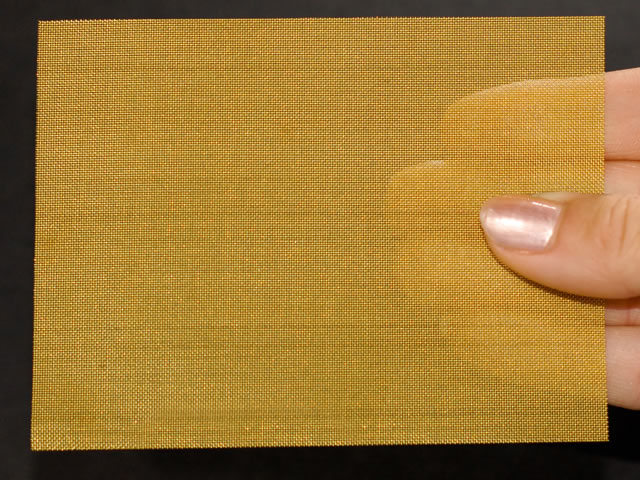
Selecting a Wire Mesh Making Machine is less about finding the fastest motor and more about aligning mechanical precision with the specific metallurgical properties of the wire being processed. For manufacturers, the gap between a high-quality weave and a defective batch often comes down to the tension control and loom calibration of the equipment used.
The current industrial landscape is shifting toward high-precision filtration and specialized architectural mesh, requiring machinery that can handle diverse materials from standard stainless steel to delicate brass and phosphor bronze alloys. As tolerances tighten in the chemical and electrical sectors, the technical requirements for weaving machinery have evolved from simple automation to integrated precision engineering.
Understanding the interplay between machine configuration and final product specifications is essential for reducing material waste and increasing throughput. This analysis explores the critical technical variables and selection frameworks necessary for optimizing mesh production.
Mechanical Foundations of Mesh Weaving

At its core, a wire mesh making machine operates on the principle of interlacing warp and weft wires. The complexity of the machine varies based on the desired weave pattern—whether it is a basic plain weave, a more dense twilled weave, or the specialized Dutch weave used for high-efficiency filtration.
The mechanical synchronization between the feeding system and the weaving loom ensures that each intersection is precise. Any deviation in the timing of the heddles or the beat-up motion of the reed results in uneven apertures, which can render the mesh useless for precision sieving or filtering applications.
Core Technical Determinants for Precision
Tension control is perhaps the most critical technical factor in mesh production. If the warp wire is too loose, the mesh will sag and lose dimensional stability; if it is too tight, the wire may snap or undergo plastic deformation, altering the aperture size. Advanced machines utilize electromagnetic tensioners to maintain a constant load regardless of the spool diameter.
Another key determinant is the precision of the reed. The reed not only pushes the weft wire into place but also defines the final mesh count (meshes per inch). For high-mesh counts, such as 100-200 mesh, the reed must be manufactured to micron-level tolerances to prevent wire displacement during the beat-up phase.
Lastly, the lubrication system plays a vital role in reducing friction between the wire and the machine components. For materials like brass or copper, which are softer than stainless steel, improper lubrication can lead to surface scoring and contamination, compromising the purity required for electric instruments or laboratory filters.
Material-Specific Machine Adjustments
Producing different alloys requires distinct machine configurations. For example, when Anping Yuandong Metal Product Co., Ltd. produces brass wire mesh, the machinery must be tuned for the specific ductility of brass. Brass is more prone to stretching than stainless steel, necessitating a more conservative tension setting.
The compatibility between wire gauge (SWG) and loom speed is the primary driver of product yield. Operating a machine beyond the material's elastic limit during high-speed weaving leads to aperture inconsistency and premature wire fatigue.
Phosphor bronze wire mesh requires similar care but often demands different heat-treatment considerations post-weaving. Machines capable of handling these softer, more conductive materials must ensure that the contact points are non-abrasive to prevent microscopic tears in the wire surface.
Operational Efficiency Metrics
Evaluating the performance of a wire mesh making machine requires looking beyond simple output speed. True efficiency is measured by the ratio of "Prime Grade" mesh to total production. High-precision machinery minimizes "edge waste" and reduces the frequency of loom stoppages caused by wire breaks.
The following index illustrates the relative importance of different technical factors in achieving high-quality output for specialized meshes (such as 40-100 mesh ranges).
Figure 2. Production Quality Influence Index
Industrial Application Scenarios
In a typical industrial setting, such as the production of filtering materials for porcelain clay or glass, the mesh must maintain a rigid aperture size across the entire width (often 1m to 1.5m). A machine with poor lateral tension distribution will create "bowing" in the center of the cloth, leading to inconsistent filtration rates in the final application.
For electric instruments, the requirements shift toward material purity and weave density. The equipment must be capable of weaving very fine gauges—such as those found in 160 mesh brass cloth—without inducing microscopic deformations that could affect the electrical conductivity or the filtration of gas and liquid.
Future Trends in Weaving Automation
The industry is moving toward "Smart Looms" equipped with real-time optical sensors. These sensors can detect a misplaced wire or a tension drop in milliseconds, automatically pausing the machine to prevent the production of several meters of defective mesh.
Integration with IoT (Internet of Things) allows manufacturers to monitor the wear and tear of the reed and heddles. Predictive maintenance reduces unplanned downtime and ensures that the machine's precision does not drift over time, which is critical for long-term contracts requiring strict specification adherence.
Furthermore, there is a growing demand for multi-material weaving, where a machine can seamlessly integrate different wire alloys within a single sheet to create functional gradients. This requires significantly more complex control systems than traditional single-material looms.
Equipment Selection Framework
When evaluating a new investment in weaving machinery, buyers often make the mistake of focusing solely on the maximum mesh count. However, the real value lies in the machine's versatility and the ease of switching between different SWG (wire gauge) specifications.
A robust selection framework should compare the machine's ability to maintain tension across various widths (from 0.6m to 1.5m) and its compatibility with different weaving methods like plain, twilled, and Dutch weaves.
The table below provides a relative suitability guide for matching machine capabilities with specific product requirements.
| Product Goal | Priority Feature | Risk Factor | Suitability Index |
|---|---|---|---|
| Fine Filtration (100+ mesh) | Reed Precision | Wire Breakage | High-Precision Loom |
| Industrial Sieving (6-20 mesh) | Beat-up Force | Aperture Variance | Heavy-Duty Loom |
| Dutch Weave Cloth | Multi-Heddle Control | Weave Complexity | Specialized Loom |
| Wide Roll Production | Lateral Tensioning | Center Sagging | Wide-Format Loom |
| Brass/Copper Alloys | Soft-Touch Guides | Surface Scoring | Low-Friction Loom |
| Stainless Steel Mesh | High Torque Motors | Energy Consumption | Industrial Power Loom |
Questions & Answers
The weaving method—plain, twilled, or Dutch—determines the lifting sequence of the warp wires. A plain weave requires a simple alternating lift, while a Dutch weave requires a complex sequence where one set of wires is significantly denser. This necessitates more advanced heddle controls and more precise tension adjustments to prevent the denser wires from distorting the overall mesh structure.
Generally, finer wire gauges (higher SWG numbers) require slower production speeds to maintain stability. High-speed weaving of very fine wires increases the risk of snapping due to inertia and friction. Machines must be calibrated to balance the speed of the shuttle or weft insertion with the tensile strength of the specific wire diameter to optimize yield without compromising quality.
Brass is significantly more ductile and softer than stainless steel. This means it has a lower elastic limit and is more prone to permanent deformation. If the tension is too high, the brass wire will stretch, leading to inconsistent aperture sizes. If too low, the weave will be loose. Precision electromagnetic tensioners are therefore essential for brass production.
While some machines are marketed as universal, achieving high quality at both ends of the spectrum usually requires changing the reed and adjusting the tensioning system. A machine optimized for 6-mesh coarse screens will typically lack the precision required for 200-mesh fine cloth. Most professional facilities utilize different loom configurations for coarse and fine production runs.
Aperture inconsistency is typically caused by three factors: uneven warp tension across the width of the machine, wear and tear on the reed, or improper beat-up force. When the reed is worn, it cannot push the weft wire consistently, creating "waves" in the mesh. Regular calibration and the use of high-grade alloy reeds are the primary solutions.
ROI should be calculated based on the reduction of scrap material and the increase in "Prime Grade" output rather than just meters per hour. For high-value materials like phosphor bronze, a 5% reduction in waste can offset the higher cost of an automated machine within a few months of operation, especially when considering the reduced need for manual inspection.
Final Thoughts
The effectiveness of a Wire Mesh Making Machine is not determined by its peak specifications, but by its ability to maintain consistency across the entire production run. Whether producing heavy-duty fences or microscopic filters, the synergy between material properties and mechanical precision remains the fundamental driver of quality.
As the industry moves toward greater automation and tighter tolerances, the focus must shift from quantity to precision. Investing in machinery that prioritizes tension stability and reed accuracy ensures that manufacturers can meet the rigorous demands of modern industrial filtration and electronic engineering.

Related article & blog

Send Inquiry
If you are interested in our products, leave your information here and we will be in touch shortly.