Wire Mesh Manufacturer Performance Analysis
Selecting a perimeter security solution often comes down to a critical trade-off between structural rigidity and environmental adaptability. Whether for livestock management or estate boundary definition, the choice of material and mesh configuration directly dictat
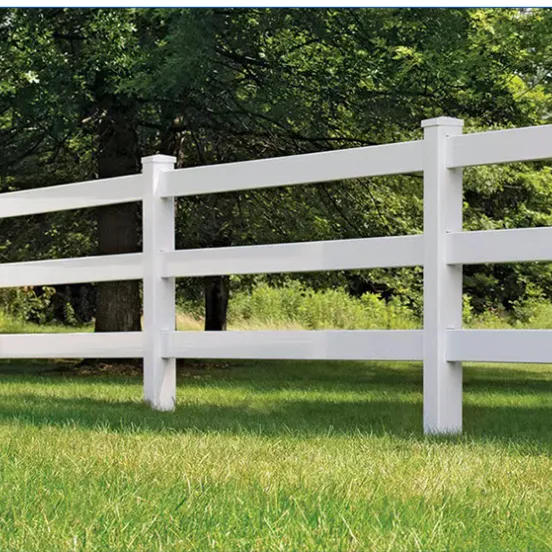
Selecting a perimeter security solution often comes down to a critical trade-off between structural rigidity and environmental adaptability. Whether for livestock management or estate boundary definition, the choice of material and mesh configuration directly dictates the long-term maintenance overhead and the actual security level of the enclosure.
The global demand for precision-engineered wire products has shifted toward modularity and corrosion resistance. As infrastructure projects grow more complex, the role of a specialized Wire Mesh Manufacturer is no longer just about producing raw wire, but about engineering systems that withstand specific climatic stresses while remaining cost-effective to install.
This analysis examines the technical variables involved in selecting wire mesh fencing, the material science behind different coatings, and the practical frameworks used to evaluate the longevity of professional-grade metal wire products.
Evolution of Wire Mesh Engineering
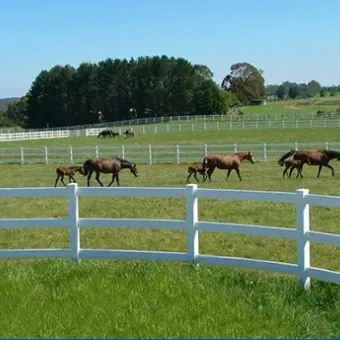
The transition from basic wrought iron to precision-drawn stainless and galvanized steel has fundamentally changed how we approach security. Early wire products relied on mass and thickness for strength; however, modern engineering focuses on tensile strength and the molecular bonding of coatings to prevent oxidation.
Today, the industry emphasizes the synergy between automated weaving and chemical treatment. Anping Yuandong Metal Product Co., Ltd. has integrated these advancements since 1997, moving from traditional production to a diverse portfolio that includes everything from security window screens to complex hexagonal nettings.
Material Selection and Corrosion Logic
The primary failure point of any wire mesh system is corrosion. The selection of material must be dictated by the atmospheric conditions of the installation site. For instance, in coastal environments with high salinity, standard galvanized steel may not suffice, requiring high-grade stainless steel or PVC-coated options to maintain structural integrity.
PVC (Vinyl) coatings provide a dual advantage: they protect the underlying metal core from UV radiation and moisture while offering an aesthetic versatility that suits landscaping and resort boundaries. Conversely, galvanized metal fences are prioritized for industrial livestock enclosures where high impact resistance is more critical than visual elegance.
Wooden ranch fences remain a viable eco-friendly alternative for classic countryside aesthetics, though they necessitate periodic sealing. The strategic choice between vinyl, wood, and steel depends on the balance between initial capital expenditure and the projected 10-year maintenance budget.
Structural Integrity and Load Distribution
The strength of a fence is not solely dependent on the wire gauge, but on how the load is distributed across the rails and posts. A 2-rail configuration offers minimal resistance and is primarily decorative, whereas 3-rail and 4-rail systems are designed to withstand the physical pressure of large livestock like horses or cattle.
The efficacy of a wire mesh system is determined by the interaction between post spacing—typically 2.4m to 3m—and the tensile capacity of the wire; exceeding these intervals leads to sagging and localized stress points.
Proper tensioning during installation prevents the "bowing" effect common in low-quality products. By utilizing state-of-the-art machinery to ensure uniform wire diameter, manufacturers can guarantee that the fence maintains its geometry even under significant external force.
Performance Metrics for Perimeter Fencing
Evaluating the quality of wire mesh requires a quantitative approach rather than a subjective one. Key performance indicators include the breaking strength of the wire, the adherence quality of the PVC coating, and the dimensional stability of the mesh apertures under heat and cold cycles.
When comparing different materials, a relative suitability index can help buyers determine the best fit for their specific environmental constraints. The following data represents a conceptual performance framework for typical ranch fence materials.
Figure 2. Relative Suitability Index by Material Type
Operational Application Scenarios
In a typical industrial setting, such as a livestock enclosure for cattle or sheep, the priority is physical containment. Steel or galvanized metal fences are the standard here due to their ability to resist animal impact and provide a secure perimeter. For these applications, height configurations between 90cm and 150cm are generally sufficient to prevent breaches.
Conversely, for estate and villa boundaries or park barriers, the focus shifts to "attractive design." PVC-coated fencing is often selected for these scenarios because it combines the security of a metal core with a clean, elegant appearance that enhances property value. In these cases, modular designs are preferred to reduce installation labor and ensure a seamless visual flow.
Future Trends in Metal Wire Fabrication
The industry is moving toward "smart" materials—coatings that can self-heal minor scratches to prevent the onset of rust. Additionally, there is a growing integration of security screens that combine aesthetic beauty with knife-proof and fire-proof properties, replacing traditional iron gratings in urban residential settings.
Another significant shift is the demand for customized specifications. Buyers are no longer satisfied with off-the-shelf products; they require specific rail sizes and post spacings tailored to the precise topography of their land. This has pushed manufacturers to adopt more flexible, CNC-driven production lines.
Furthermore, sustainability is becoming a core requirement. The use of recyclable steel and eco-friendly powder coatings is reducing the environmental footprint of large-scale fencing projects, aligning the manufacturing process with global green building standards.
Comparative Evaluation Framework
When auditing a Wire Mesh Manufacturer, procurement officers should utilize a decision matrix that weighs durability, installation speed, and maintenance needs against the specific project environment.
The trade-off is often between the initial cost and the total cost of ownership (TCO). While wooden fences are initially cheaper, the long-term cost of painting and sealing often exceeds the one-time investment in a high-quality vinyl or galvanized system.
The following table provides a structured comparison of the most common ranch fence configurations and materials to guide the selection process based on practical requirements.
| Material Type | Primary Use Case | Maintenance Level | Relative Lifespan |
|---|---|---|---|
| PVC (Vinyl) | Landscaping / Villas | Very Low | High |
| Galvanized Steel | Livestock / Industrial | Low | Very High |
| Treated Wood | Rural / Eco-friendly | High | Medium |
| Stainless Steel | Coastal / High Security | Very Low | Extreme |
| Annealed Wire | Temporary / Tying | Medium | Low |
| Security Mesh | Anti-burglary / Urban | Low | High |
Questions & Answers
Galvanized wire is coated in a layer of zinc to prevent rust, making it exceptionally durable for heavy-duty agricultural use. PVC-coated mesh features a plastic vinyl layer over a metal core, which provides superior UV protection, a smoother finish, and a wider range of colors, making it ideal for residential and decorative applications where aesthetics are as important as security.
Standard post spacing typically ranges between 2.4m and 3m (8 to 10 feet). The exact distance depends on the animal species being contained and the material of the rails. For larger, heavier livestock, shorter spacing is recommended to increase the overall rigidity of the fence and prevent the rails from bowing under pressure.
For horses, a 3-rail or 4-rail system is generally preferred. These configurations provide better visibility and a more substantial physical barrier, reducing the risk of animals attempting to jump or push through the fence. PVC or treated wood are popular choices for horses to minimize the risk of injury compared to sharp metal edges.
Yes, modern security mesh is engineered to be knife-proof and fire-resistant while maintaining a sleek, aesthetic appearance. Unlike iron gratings, these screens can also function as insect barriers, providing a dual purpose of preventing burglary and keeping pests out without sacrificing the view or ventilation of the home.
Vinyl (PVC) fencing is designed for low maintenance. Unlike wood, it does not require painting, staining, or sealing. Most vinyl systems only require occasional cleaning with water and a mild detergent to remove dust and organic buildup, making them a highly cost-effective choice over a 10-to-20-year lifecycle.
Wire gauge refers to the thickness of the wire; a lower gauge number indicates a thicker wire. Thicker wires provide higher tensile strength and are significantly harder to cut or deform. However, the overall security is a combination of gauge, mesh aperture size, and the quality of the weld or weave, which prevents the mesh from being pried open.
Final Thoughts
The effectiveness of a wire mesh system is rarely the result of a single feature, but rather the alignment of material science, structural configuration, and environmental suitability. By prioritizing corrosion resistance and load distribution, property owners can significantly reduce long-term operational costs.
As fabrication technology evolves, the integration of modular designs and high-performance coatings will continue to redefine the standards of perimeter security. Choosing a partner with a proven track record in precision manufacturing ensures that these technical requirements are met with consistency and reliability.

Related article & blog

Send Inquiry
If you are interested in our products, leave your information here and we will be in touch shortly.