Sliding Security Window Screen Mesh
Sliding security window screen mesh is engineered to provide physical intrusion resistance while maintaining airflow and visibility in operable window systems. Unlike standard insect screens, it
Sliding Security Window Screen Mesh
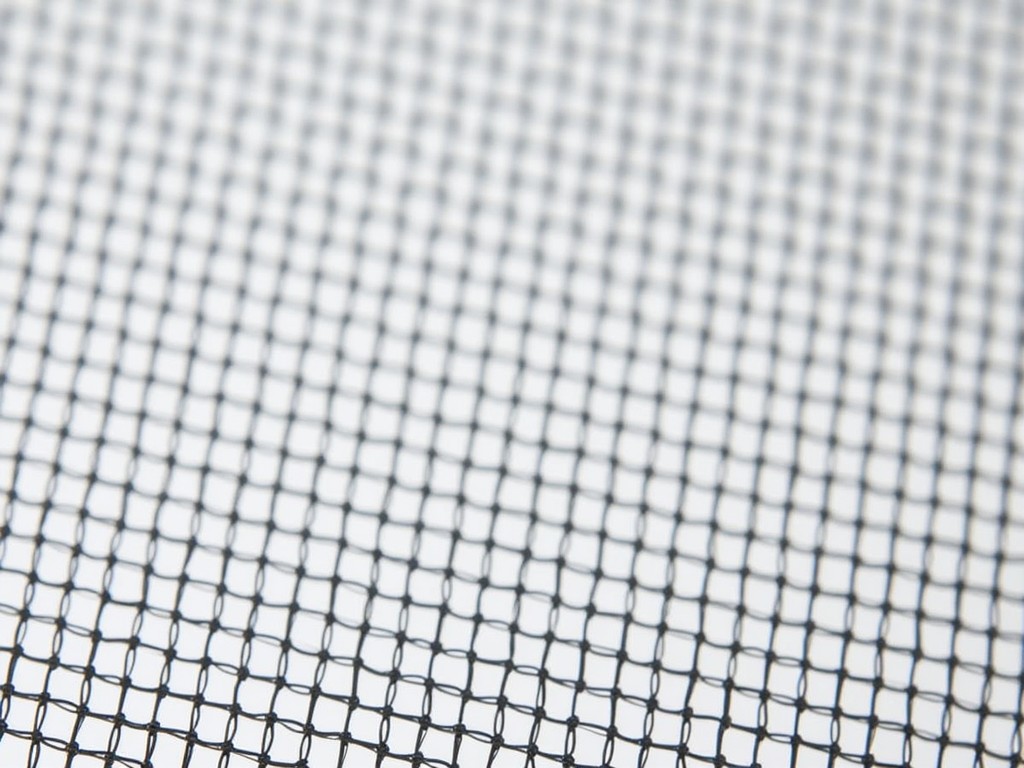
Sliding security window screen mesh is engineered to provide physical intrusion resistance while maintaining airflow and visibility in operable window systems. Unlike standard insect screens, it integrates high-tensile weaving patterns with frame-compatible sliding mechanisms to resist forced entry attempts. The product addresses a specific gap in building security where traditional bars or grilles compromise aesthetics and emergency egress, while conventional screens offer no meaningful deterrent. Industrial buyers select this solution when balancing occupant safety, architectural integration, and long-term operational durability in retrofit or new construction projects.
Core Construction and Material Properties
The mesh foundation uses stainless steel wire alloys—typically grades 304 or 316—d—drawn to diameters between 0.8mm and 1.2mm, woven in a tight plain or twill pattern to achieve opening sizes under 8mm. This geometry prevents passage of common hand tools while allowing over 70% free area for airflow and light transmission. Wire tensile strength exceeds 900 MPa, with elongation at break below 15%, ensuring the mesh retains structural integrity under dynamic load. Frame compatibility is achieved through extruded aluminum or PVC-u channels with integrated brush seals and roller guides, enabling smooth horizontal sliding without binding or corrosion-induced seizure.
Performance Characteristics Under Load
Static load testing shows resistance to concentrated forces exceeding 1.5 kN applied at the mesh center before permanent deformation occurs, simulating pry-bar attacks. Dynamic impact resistance, measured via weighted pendulum tests per EN 1627:2011 equivalents, maintains integrity at energy levels up to 30 J—sufficient to deter opportunistic intrusion attempts. The sliding mechanism sustains over 10,000 cycles without increased friction or rail degradation when lubricated annually, validated through accelerated wear testing. These values are typical; actual performance depends on wire gauge, weave density, frame material, and installation precision, with project-specific validation available upon request.
Design Integration and Customization Logic
Customization begins with aperture geometry: tighter weaves (e.g., 6mm openings) increase resistance but reduce airflow to approximately 55%, while wider apertures (up to 10mm) prioritize ventilation at the cost of lower tool exclusion. Frame depth typically ranges from 25mm to 40mm to accommodate varying wall thicknesses and reveal conditions, with adjustable depth options for uneven substrates. Surface treatments include mill finish aluminum for interior use, powder-coated finishes in RAL colors for exterior exposure, and anodized layers for high-UV or coastal environments. Mesh tensioning is achieved via internal splines or adjustable pressure bars within the frame, preventing sag over time without requiring external fasteners that compromise the sliding function.
Typical Applications in Industrial and Commercial Settings
In pharmaceutical manufacturing facilities, these screens are installed on ventilation windows in cleanroom corridors to prevent unauthorized access while maintaining positive pressure airflow—standard grilles would disrupt laminar flow patterns and complicate cleaning protocols. Data centers use them on auxiliary ventilation openings in electrical rooms where physical security must coexist with heat dissipation needs; the mesh allows convective cooling while blocking casual tampering. Transportation infrastructure, such as rail maintenance sheds, specifies them for operator lounges and equipment storage areas where break-in resistance is required without hindering emergency evacuation during fires or mechanical failures.
Quality Control and Manufacturing Considerations
Wire diameter is verified via laser micrometry at 100mm intervals during weaving, with tolerance controlled to ±0.05mm. Opening consistency is assessed using optical gauges to ensure no local deviations exceed 15% of nominal size, preventing weak points. Frame assembly includes torque-controlled fastening of corner keys and slide rail alignment checks using laser levels to guarantee parallelism within 0.2mm over 1.5m length. Final inspection involves manual push-pull tests on a representative sample from each batch to confirm smooth operation and mesh retention under 100N lateral load. Documentation includes material traceability reports and dimensional logs available for audit.
Comparison with Alternative Security Solutions
| Solution | Airflow Impact | Intrusion Delay (Est.) | Egress Compatibility | Maintenance Need |
|---|---|---|---|---|
| Sliding Security Mesh | Moderate (55-70% free area) | 15-45 seconds | Full (sliding operation) | Low (annual lubrication) |
| Fixed Bar Grille | Low (30-40% free area) | 60+ seconds | None (permanent) | Very Low |
| Standard Insect Screen | High (80-90% free area) | <5 seconds | Full | Very Low |
| Polycarbonate Shield | None (blocks airflow) | 30-60 seconds | None (requires removal) | Medium (cleaning, scratch repair) |
Values are indicative; actual performance depends on specific product configuration, installation quality, and attack methodology. The table illustrates trade-offs to support specification decisions based on project priorities.
Environmental and Lifecycle Factors
Stainless steel mesh components are 100% recyclable at end-of-life, with aluminum frames achieving similar recovery rates in standard streams. Powder-coated finishes avoid VOC emissions during curing when using electrostatic application and UV curing systems. The product’s service life typically exceeds 15 years in urban environments and 10 years in marine chloride zones before aesthetic degradation necessitates frame refurbishment, though mesh integrity often remains intact longer. Unlike polymeric alternatives, it does not become brittle under UV exposure or lose tensile strength at elevated temperatures, maintaining performance across -20°C to 80°C operational ranges.
For technical consultation, custom sizing, or project-specific performance validation, contact our engineering team to discuss your requirements.
Request Technical Specification

More Products

Send Inquiry
If you are interested in our products, leave your information here and we will be in touch shortly.