Stainless Steel 2 Tier Fruit Basket
A stainless steel 2 tier fruit basket is a vertically structured storage solution designed to maximize countertop or shelf space while maintaining separation between different types of produce. The
Stainless Steel 2 Tier Fruit Basket
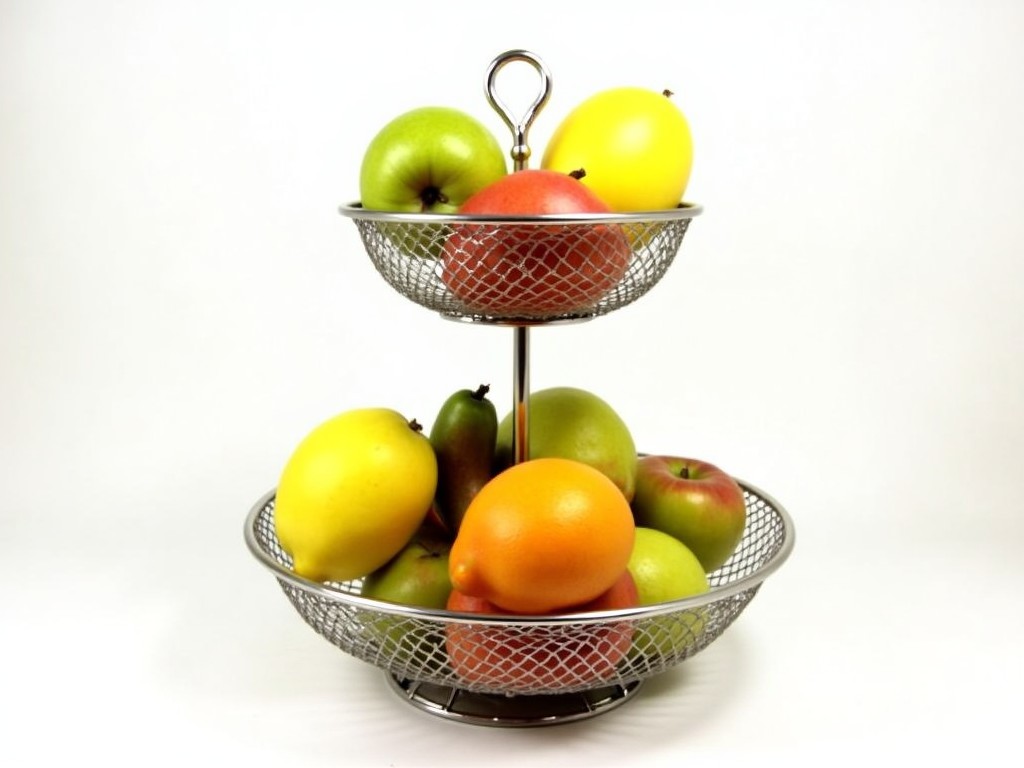
A stainless steel 2 tier fruit basket is a vertically structured storage solution designed to maximize countertop or shelf space while maintaining separation between different types of produce. The dual-level configuration allows for organized placement of fruits, vegetables, or other perishables, with the upper tier typically reserved for lighter or more delicate items and the lower tier for heavier or bulkier produce. This design reduces cross-contact and improves airflow around stored items compared to single-layer containers.
Constructed from food-grade stainless steel, typically AISI 304 or 316, the basket resists corrosion from moisture, acidic fruit juices, and frequent cleaning cycles. The material does not impart odors or flavors, ensuring product integrity in commercial kitchens, food service operations, or retail display environments. Unlike coated or painted alternatives, stainless steel maintains its surface properties over time without chipping, peeling, or degradation under repeated use.
Key Design Characteristics
The vertical spacing between tiers is generally engineered to accommodate common fruit sizes, ranging from 150mm to 200mm, allowing for adequate clearance without wasting vertical space. Tier diameters typically fall between 250mm and 350mm, balancing capacity with stability on narrow countertops. The open mesh or perforated construction promotes air circulation, reducing condensation buildup that can accelerate spoilage in enclosed containers.
Load capacity per tier is determined by material thickness and support structure; common configurations support 5–8 kg per level when evenly distributed, with the lower tier bearing cumulative weight. Edge rolling or wire thickening at the perimeter increases rigidity and prevents deformation under load. Feet or base glides, often made of non-marking polymer or rubber, elevate the basket slightly to protect surfaces and improve stability on smooth countertops.
Material and Finish Options
| Property | Typical Value |
|---|---|
| Primary Material | AISI 304 Stainless Steel |
| Alternative Material | AISI 316 Stainless Steel (for high-chloride environments) |
| Wire Diameter | 2.0–3.0 mm |
| Mesh Opening | 10–15 mm (square or hexagonal) |
| Surface Finish | Brushed (No. 4) or Electropolished |
| Feet/Base Pads | Non-marking TPE or Rubber |
AISI 304 provides sufficient resistance to food acids and general washdown conditions, making it suitable for most indoor commercial applications. AISI 316 is selected when exposure to saline environments, frequent sanitizing with chlorine-based agents, or coastal humidity is expected, offering enhanced pitting resistance. Surface finishes are chosen not only for aesthetics but also to minimize microbial retention; electropolished surfaces reduce surface roughness to below 0.4 µm Ra, improving cleanability in HACCP-compliant facilities.
Industrial Applications
In commercial kitchens, the 2 tier fruit basket supports mise en place workflows by segregating prepped fruits for salads, desserts, or garnishes, reducing cross-contamination risk and improving station efficiency. The vertical layout allows multiple fruit types to be accessible within a single footprint, minimizing reach and search time during high-volume service periods.
In retail environments such as farmers' markets or grocery displays, the basket enables tiered presentation that enhances product visibility and encourages customer interaction. The open design allows shoppers to inspect fruit quality without handling, while the stainless steel construction conveys cleanliness and durability compared to woven or plastic alternatives. For food processing facilities, the basket serves as an intermediate holding vessel during sorting or washing operations, where its corrosion resistance and ease of sanitation prevent harborage points for contaminants.
Customization and Integration
Tier dimensions, spacing, and overall height can be adjusted to accommodate specific produce types or spatial constraints. For example, increased tier height may be specified for bulky items like melons or pineapples, while reduced spacing suits smaller berries or grapes. Custom mesh patterns or solid perforated panels can be implemented where product retention or splash protection is required.
Integration options include adding label holders, detachable dividers, or caster-equipped bases for mobile use in large-scale operations. Surface treatments can be tailored to meet specific hygiene standards, such as electropolishing for pharmaceutical-grade cleanliness or passivation for enhanced corrosion resistance. All modifications are evaluated for structural integrity and load distribution to ensure long-term performance under expected use conditions.
Quality and Compliance Considerations
Material traceability is maintained from mill certification to final inspection, with stainless steel grades verified via XRF or chemical spot testing when required. Welds, if present, are inspected for continuity and smoothness to eliminate crevices that could harbor bacteria. dimensional tolerances are typically held to ±2mm for critical interfaces such as tier alignment and base flatness.
Compliance with food contact regulations such as FDA 21 CFR §177.2600 or EU 10/2011 is achievable through material selection and surface finish control. While the basket itself is not a regulated device, its components are chosen to support adherence to HACCP, GMP, or FSMA requirements in the end-user’s facility. Manufacturers may provide material safety data sheets (MSDS) or conformity statements upon request to support procurement validation.
Ordering and Lead Time
Standard configurations are typically available from stock or with short lead times of 2–4 weeks, depending on finish and quantity. Customized units require detailed specifications including tier dimensions, material grade, mesh pattern, foot type, and any additional features. Production lead time for custom orders ranges from 4–8 weeks after design approval, influenced by material availability and complexity of modifications.
To initiate a quotation, buyers should provide: intended use environment, estimated load per tier, preferred dimensions (diameter, height, spacing), material grade requirement, and any regulatory or hygiene considerations. Samples or 3D models can be arranged for validation prior to full production. Packaging is designed to prevent deformation during transit, using corrugated inserts or form-fit foam where necessary.
For technical inquiries, customization requests, or to discuss specific application requirements, contact our engineering team. We provide detailed dimensional drawings, material certifications, and load capacity data to support your evaluation process.
Request Technical Specification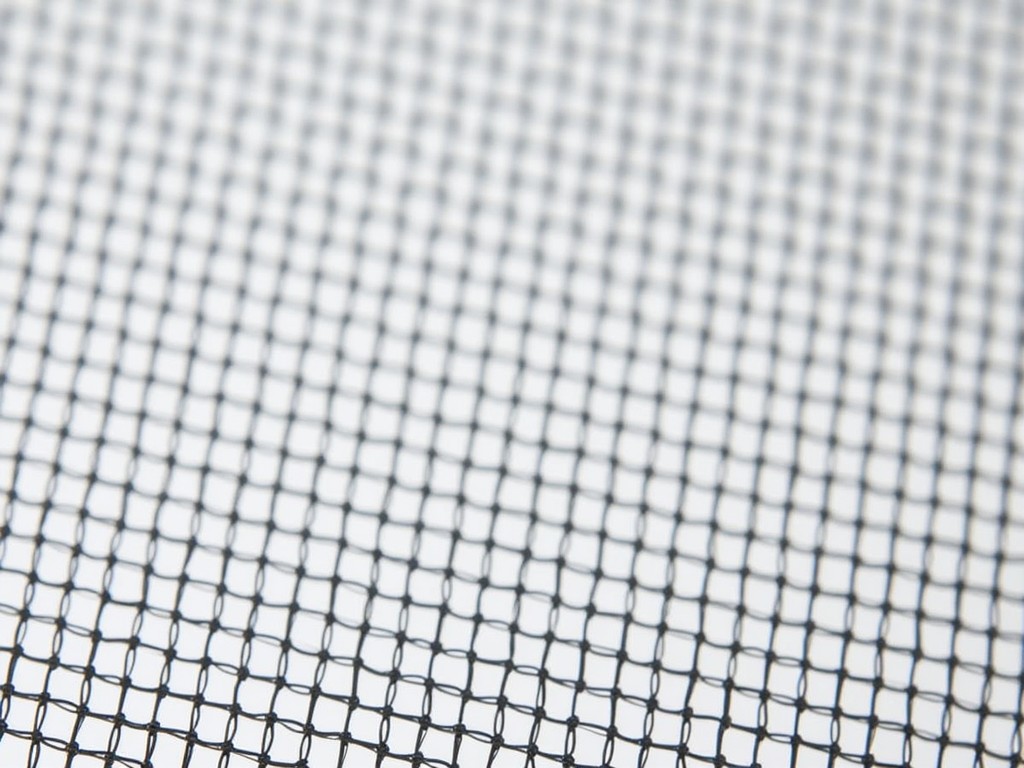
More Products

Send Inquiry
If you are interested in our products, leave your information here and we will be in touch shortly.