Perforated Galvanized Sheet Metal
Perforated galvanized sheet metal combines the corrosion resistance of zinc-coated steel with precisely engineered hole patterns for functional and structural applications. The galvanization process
Perforated Galvanized Sheet Metal
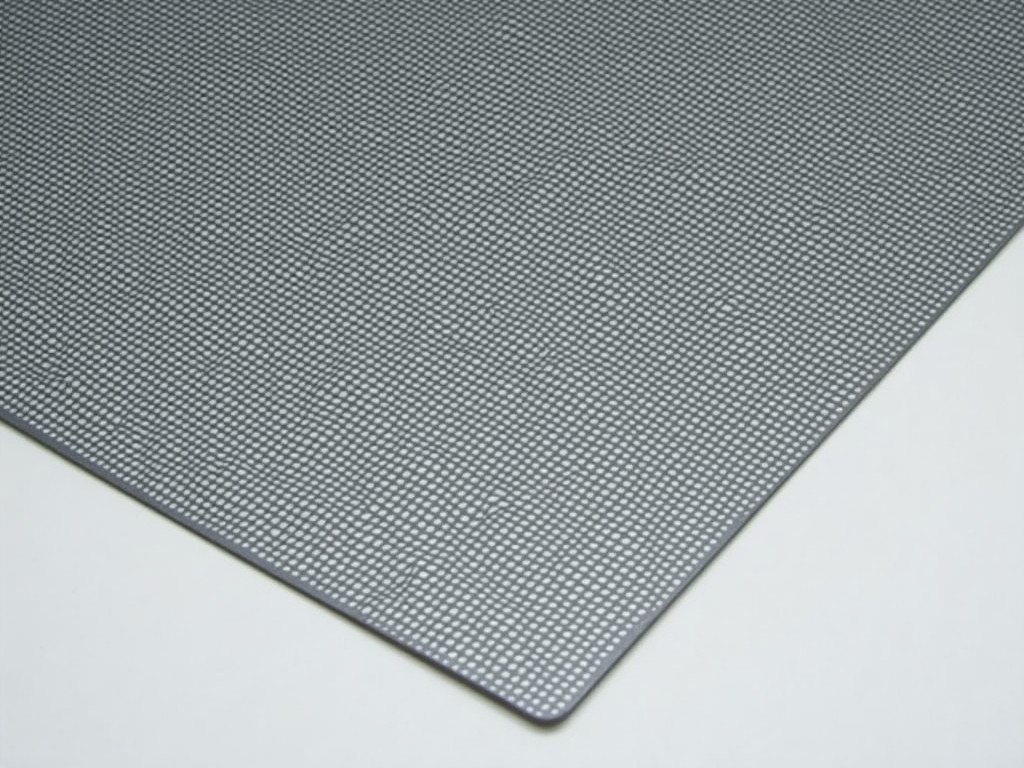
Perforated galvanized sheet metal combines the corrosion resistance of zinc-coated steel with precisely engineered hole patterns for functional and structural applications. The galvanization process applies a protective zinc layer through hot-dip coating, sacrificially protecting the underlying steel from oxidation. Perforation is achieved via CNC punching or laser drilling, creating openings that allow airflow, light transmission, fluid drainage, or acoustic control while maintaining sheet integrity. This dual functionality makes it suitable for environments where both durability and specific performance characteristics are required.
Material and Coating Specifications
The base material is typically low-carbon steel (such as ASTM A1008 or equivalent) selected for its formability and weldability. Hot-dip galvanization follows ASTM A123/A123M standards, coating both sides of the sheet with a zinc layer averaging 55 µm thickness, though heavier coatings (up to 120 µm) are available for harsh environments. The zinc coating provides cathodic protection, meaning it corrodes preferentially to protect the steel even if scratched. Coating weight is measured in grams per square meter (gsm), with common classifications ranging from Z275 (275 gsm total) to Z600 for marine or industrial exposure.
After galvanizing, sheets are perforated using precision tooling to ensure hole size, spacing, and pattern consistency. The process does not remove the zinc coating around hole edges significantly, preserving corrosion resistance. However, in highly abrasive or chemical-exposed conditions, edge sealing or post-perforation passivation may be recommended. Material thickness options range from 0.5 mm to 3.0 mm, with thinner gauges preferred for decorative or lightweight screening and thicker gauges for load-bearing guards or flooring.
Perforation Patterns and Open Area
The functional performance of perforated metal depends on hole shape, size, pitch (center-to-center distance), and arrangement. Common hole shapes include round, square, slotted, and hexagonal, each affecting flow dynamics, strength, and aesthetics. Round holes are most common due to ease of tooling and uniform stress distribution. Pitch determines open area percentage—the ratio of hole area to total sheet area—which directly influences airflow, visibility, and light transmission.
For example, a 6 mm round hole on a 10 mm pitch yields approximately 28% open area, suitable for HVAC grilles or machine guards. Increasing hole size to 8 mm on the same pitch raises open area to 50%, ideal for drying trays or filtration supports. Square holes offer higher open area at the same pitch but may reduce sheet strength slightly due to stress concentrations at corners. Slotted holes are used when directional flow or specific particle retention is required. Patterns can be staggered (60-degree) or straight (square), with staggered arrangements providing higher open area and better mechanical properties under load.
Structural and Functional Characteristics
Despite material removal, perforated galvanized sheets retain sufficient rigidity for many structural roles when properly supported. The remaining ligament (material between holes) governs strength and deflection resistance. As a rule of thumb, ligaments should be at least 1.5 times the material thickness to avoid tearing during forming or under load. For walkway platforms or safety guards, minimum ligament widths of 3 mm are typically specified for 1.5 mm thick sheets.
Deflection under uniform load depends on hole pattern, open area, thickness, and support spacing. Engineering calculations treat perforated sheets as anisotropic materials, with strength reduced in directions parallel to hole rows. For critical applications, finite element analysis (FEA) is recommended to model stress concentrations around hole edges. Vibration resistance is also affected; perforated panels may exhibit lower natural frequencies than solid sheets, requiring consideration in machinery enclosures or acoustic barriers.
The galvanized coating maintains its protective function as long as the zinc layer remains intact. In alkaline or acidic environments (pH <6 or >12), zinc corrosion accelerates, potentially requiring alternative coatings like galvannealed or stainless steel. In neutral atmospheres, the coating provides 20–50 years of service life depending on thickness and exposure. Regular inspection for white rust (zinc hydroxide) or red rust (steel oxide) helps assess coating condition, especially in humid or saline climates.
Typical Applications
In HVAC systems, perforated galvanized sheets are used for diffuser plates, return air grilles, and sound attenuators where controlled airflow and noise reduction are needed. The open area allows precise tuning of air distribution while the coating resists condensation-induced corrosion. In agricultural facilities, they form poultry house vents, grain dryer screens, and silo aeration panels, benefiting from corrosion resistance in humid, ammonia-rich environments.
Industrial uses include machine guards, conveyor covers, and spill containment trays where visibility, drainage, and impact resistance are required. The non-slip surface of certain hole patterns (e.g., knurled or raised perforations) enhances safety in walkways or platforms. In construction, they serve as facade cladding, sunshades, and balcony infills, combining durability with architectural openness. Acoustic panels use perforated metal as a facing over absorptive cores, allowing sound transmission while protecting the insulation.
Food processing and pharmaceutical plants specify perforated galvanized sheets for drainage tables, washing racks, and equipment housings where cleanability and resistance to washdown chemicals are essential. The smooth, coated surface prevents bacterial harborage and withstands frequent cleaning cycles. For outdoor electrical enclosures, they provide NEMA 3R-rated ventilation, preventing heat buildup while protecting components from rain and dust.
Comparison of Hole Patterns
| Hole Shape | Typical Open Area Range | Flow Characteristics | Common Uses |
|---|---|---|---|
| Round | 15–50% | Uniform, low turbulence | HVAC, guards, screens |
| Square | 20–60% | Higher flow, directional | Filtration, drying trays |
| Slotted | 10–40% | Anisotropic, high velocity | Air knives, liquid separators |
| Hexagonal | 25–45% | Balanced flow, high strength | Acoustic panels, architectural |
Customization and Ordering Considerations
Perforated galvanized sheet metal is ordered to specification, with key parameters including base steel grade, coating weight (Z275, Z450, Z600), sheet dimensions, material thickness, hole shape, size, pitch, pattern layout, and open area percentage. Standard sheet sizes are 1000×2000 mm or 1250×2500 mm, but custom lengths and widths are available upon request, often limited by material handling and transportation constraints. Edge conditions (mill edge, slit edge, deburred) and flatness tolerances (typically ±3 mm over 2.5 m) should be specified for precision applications.
Secondary operations such as bending, notching, or framing can be performed post-perforation, though sharp tools are required to avoid coating damage. Welding is possible but emits zinc oxide fumes, necessitating proper ventilation and PPE; weld areas should be touched up with zinc-rich paint to restore corrosion protection. For assemblies requiring frequent disassembly, mechanical fasteners (rivets, screws) are preferred over welding to preserve coating integrity.
Lead time depends on pattern complexity and coating requirements; standard round-hole patterns in stock thicknesses may ship in 5–7 business days, while custom slotted or hexagonal designs with special coatings take 10–15 days. Samples are typically provided upon request to validate hole appearance, open area, and flatness before full production. Packaging includes interleaving with paper or plastic sheets to prevent abrasion, wrapped in waterproof film, and secured on wooden pallets for LTL or FTL shipment.
More Products

Send Inquiry
If you are interested in our products, leave your information here and we will be in touch shortly.