Perforated Mesh Sheet Metal Top Supplier
Perforated mesh sheet metal is a precision-engineered material created by punching controlled patterns of holes into metal sheets to achieve specific functional properties. The process involves
Perforated Mesh Sheet Metal: Technical Specifications and Industrial Applications
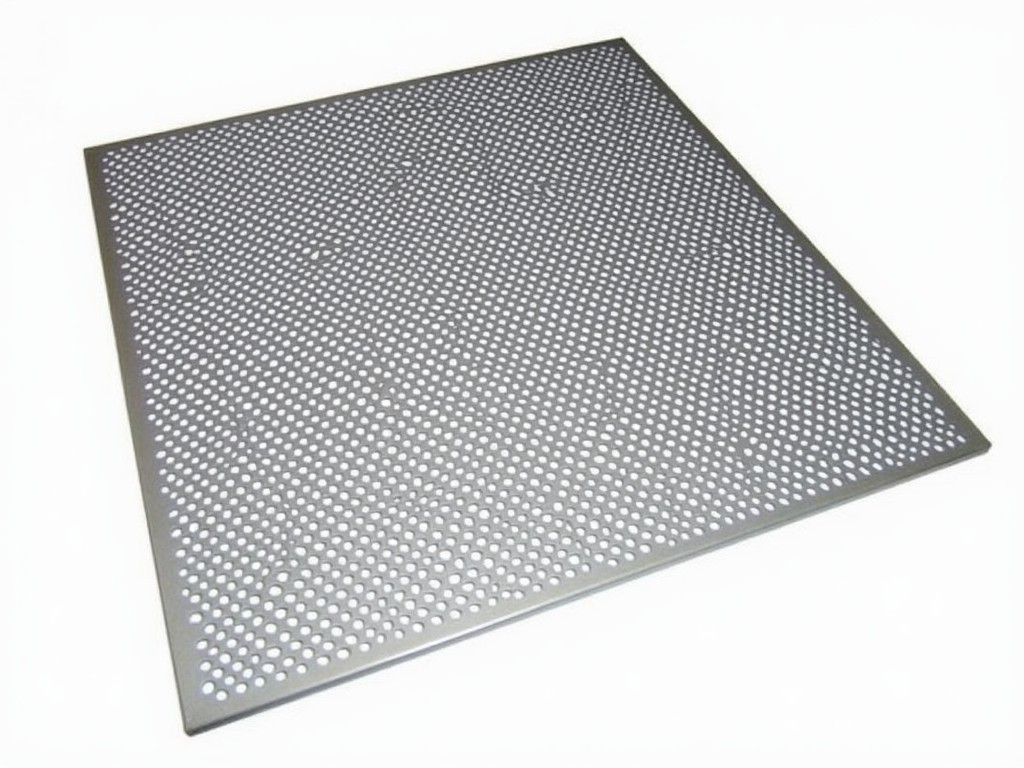
Perforated mesh sheet metal is a precision-engineered material created by punching controlled patterns of holes into metal sheets to achieve specific functional properties. The process involves CNC-guided tooling that ensures dimensional accuracy, repeatable hole placement, and consistent open area percentages across large production runs. This material serves critical roles in filtration, ventilation, shielding, and structural applications where controlled airflow, light transmission, or particle retention is required.
Unlike woven or expanded mesh, perforated sheet maintains the inherent strength and flatness of the base metal while introducing engineered porosity. The perforations do not compromise tensile strength when designed within established engineering limits, allowing the material to retain load-bearing capacity in structural uses. Surface treatments such as galvanizing, powder coating, or anodizing can be applied post-perforation to enhance corrosion resistance without altering hole geometry.
Key design parameters include hole shape (round, square, slotted, hexagonal), hole size (typically 0.5mm to 50mm), pitch (center-to-center spacing), open area percentage (ratio of hole area to total surface area), and material thickness. These variables directly influence performance characteristics such as pressure drop in fluid systems, sound attenuation in acoustic panels, and light diffusion in architectural screens.
Material Options and Mechanical Properties
Material selection for perforated mesh sheet depends on environmental exposure, required strength, weight constraints, and compatibility with adjacent components. Common base materials include cold-rolled steel, hot-rolled steel, stainless steel (grades 304, 316), aluminum alloys (3003, 5052, 6061), galvanized steel, and copper. Each material offers distinct advantages: stainless steel provides superior corrosion resistance in humid or chemical environments; aluminum delivers high strength-to-weight ratio for aerospace or transportation applications; galvanized steel offers cost-effective protection for outdoor structural uses.
Mechanical properties vary significantly by material and thickness. For example, 1mm thick 304 stainless steel perforated sheet typically exhibits a tensile strength of approximately 500–700 MPa and yield strength around 200–300 MPa, depending on temper and perforation density. Aluminum 5052-H32 of the same thickness offers tensile strength near 230 MPa with better formability. Thicker gauges (up to 6mm) are available for high-load applications such as machine guards or industrial flooring, while thinner sheets (0.5mm) suit decorative or filter media roles.
Open area percentage is a critical design factor calculated as (total hole area / total sheet area) × 100. Standard perforated sheets range from 10% to 60% open area, with higher percentages reducing structural rigidity but increasing flow capacity. Engineers must balance open area with required stiffness—excessive perforation can lead to buckling under load, necessitating thicker material or additional support structures.
Perforation Patterns and Functional Design
The geometry and arrangement of perforations directly determine the sheet’s performance in specific applications. Round holes are most common due to ease of tooling and uniform stress distribution; they provide predictable flow characteristics in filters and screens. Square or rectangular holes offer higher open area for the same pitch and are often used in ventilation panels where maximizing airflow is prioritized over structural integrity. Slotted holes (elongated rectangles) provide directional flow control and are common in gravity separators or vibratory screens where material movement must be guided.
Staggered (60-degree) hole patterns are the default for round perforations, offering optimal strength and uniform appearance. Straight-line (square) patterns are used when alignment with mating parts is critical, such as in modular screening systems or architectural facades requiring precise visual continuity. Hexagonal patterns, while less common, provide the highest open area for a given hole diameter and are occasionally specified in high-flow filtration or acoustic damping applications.
Custom patterns—including logos, gradients, or variable hole densities—are achievable through CNC perforation but require specialized programming and may increase per-unit cost. These are typically reserved for architectural or branding applications where visual effect outweighs pure functional design. For industrial buyers, standard patterns offer better lead times, lower tooling costs, and proven performance data.
Typical Industrial Applications and Performance Rationale
In filtration systems, perforated mesh sheet acts as a structural support for filter media (such as woven wire or synthetic fabrics) while allowing unimpeded fluid passage. The hole size and open area are selected to minimize pressure drop—typically targeting <50 Pa at design flow rates—while preventing media displacement. For example, in HVAC pre-filters, 1.5mm round holes on 3mm pitch (≈20% open area) in galvanized steel provide adequate rigidity without significantly increasing fan load.
Acoustic panels use perforated backing to absorb sound via Helmholtz resonance; the hole diameter, depth of air cavity behind the sheet, and perforation percentage are tuned to target specific frequency ranges (e.g., 500–2000 Hz for office environments). Perforated aluminum sheets with 3mm holes and 25% open area, mounted over 50mm mineral wool, are commonly specified in auditoriums and open-plan offices for mid-frequency noise reduction.
Machine guards and safety barriers require perforated sheets that meet ISO 13857 standards for preventing finger or limb entry while maintaining visibility and airflow. A common specification is 4mm round holes on 8mm pitch (≈20% open area) in 1.5mm cold-rolled steel, which stops 12mm diameter probes while allowing >60% light transmission and sufficient air exchange for motor cooling.
Architectural applications such as sunshades or facade screens leverage perforated metal for solar control—hole pattern and density are calculated to block direct summer sun while allowing diffuse light and winter penetration. Perforated aluminum panels with variable hole density (graduated from 10% to 40% open area) can reduce cooling loads by 15–25% in commercial buildings, depending on orientation and climate zone.
Quality Control and Manufacturing Considerations
Dimensional accuracy in perforated sheet is governed by punch and die clearance, material thickness, and press tonnage. Typical tolerances for hole diameter are ±0.1mm for round holes under 5mm, increasing to ±0.2mm for larger sizes. Pitch tolerance is generally held to ±0.15mm to ensure pattern consistency across sheets. Deviations beyond these ranges can cause misalignment in stacked assemblies or uneven flow distribution in filters.
Burr formation on the exit side of the punch is a common byproduct of perforation, particularly in thicker materials or harder alloys. While minor burrs (<0.05mm) are often acceptable in structural roles, applications requiring smooth fluid flow (e.g., pneumatic nozzles) or particle retention (e.g., pharmaceutical filters) may require deburring—typically via tumbling, brushing, or electrochemical methods—to meet surface finish standards such as Ra <1.6μm.
Flatness is another critical quality metric, especially for sheets used in precision mounting or optical systems. Perforation-induced stress can cause bowing or twisting, particularly in high-open-area sheets or thin gauges. Manufacturers mitigate this through balanced tooling (symmetrical punch patterns), intermediate annealing, or roller leveling post-perforation. Final flatness is typically verified using a precision straight edge and feeler gauge, with acceptable deviation limited to 0.5mm per meter for most industrial uses.
Customization Parameters and Ordering Information
Industrial buyers typically specify perforated mesh sheet using the following parameters: material type and grade, thickness (mm), hole shape and size (mm), pitch (mm), open area (%), sheet dimensions (width × length in mm), edge condition (mill edge, trimmed, deburred), and surface finish (mill, galvanized, powder coated, anodized). For example, a standard inquiry might read: “304 stainless steel, 1.2mm thick, 3mm round holes, 6mm staggered pitch, 1000mm × 2000mm, mill finish, no burr.”
Minimum order quantities vary by material and complexity. Standard patterns in common materials (e.g., galvanized steel, 304 stainless) often accept orders as low as one sheet (typically 1000×2000mm), while custom patterns or exotic materials (e.g., titanium, Hastelloy) may require minimums of 5–10 sheets due to tooling setup and material yield constraints. Lead times range from 3–5 business days for stocked standard items to 2–4 weeks for custom-perforated orders involving new tooling or special material sourcing.
Samples are available upon request for evaluation—typically a 150×150mm coupon showing the specified perforation pattern, material, and finish. For projects requiring performance validation (e.g., flow testing, acoustic sampling), buyers should provide test criteria in advance so that sample geometry can be matched to application needs. Packaging for shipment includes waterproof wrapping, edge protection, and flat stacking on pallets to prevent deformation during transit; export shipments include moisture barriers and corner bracing for long-haul stability.
| Parameter | Typical Range / Options | Notes |
|---|---|---|
| Material Thickness | 0.5mm – 6.0mm | Thinner gauges for filters/decorative; thicker for structural/guards |
| Hole Diameter (Round) | 0.5mm – 50mm | Smaller holes increase strength but reduce flow; larger holes improve flow but reduce open area control |
| Pitch (Center-to-Center) | 1.0mm – 100mm | Must be > hole diameter; staggered vs. straight pattern affects strength and appearance |
| Open Area Percentage | 5% – 65% | >50% may require backing support; <10% limits utility in flow applications |
| Standard Sheet Sizes | 1000×2000mm, 1250×2500mm, 1500×3000mm | Custom lengths available; width limited by material coil size |
| Surface Finish | Mill, Galvanized, Powder Coated (RAL), Anodized (Al), Brushed | Post-perforation application recommended to avoid coating damage in holes |
For technical inquiries, sample requests, or project-specific quotations, please provide your material, perforation, and dimensional requirements. Our engineering team will review your application and return a detailed response including lead time, pricing, and any recommended design adjustments based on manufacturability and performance goals.
Request Technical Specification or Sample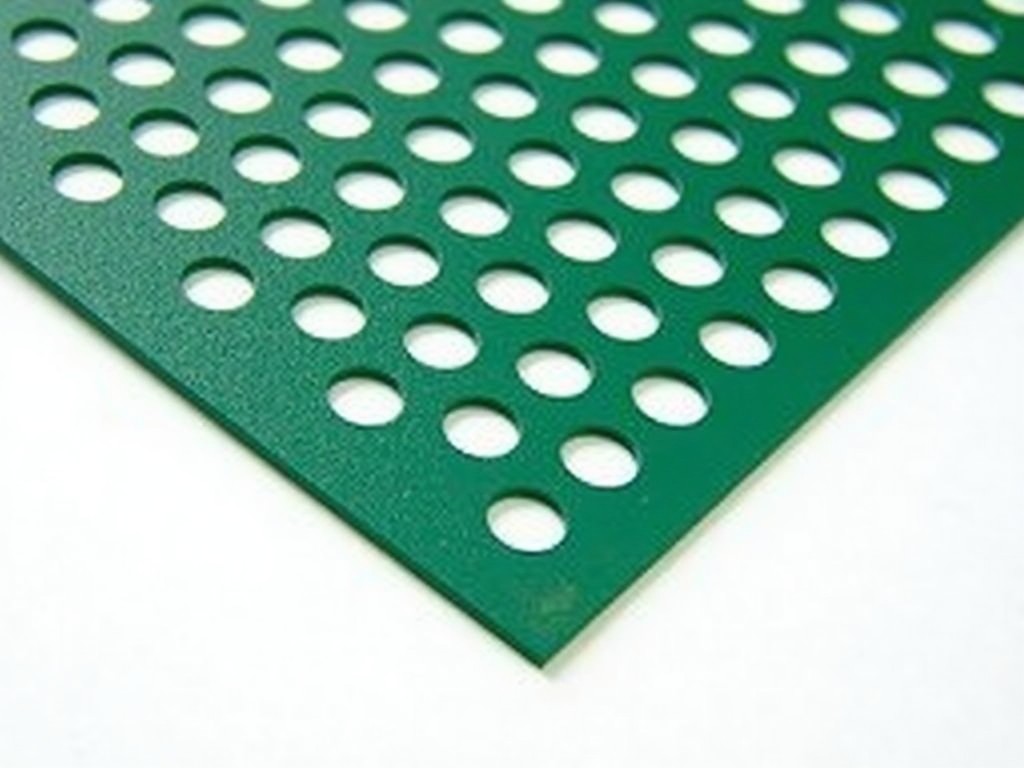
More Products

Send Inquiry
If you are interested in our products, leave your information here and we will be in touch shortly.