Perforated Metal Panel Pattern Top Supplier
Perforated metal panels combine structural integrity with functional openings for airflow, light transmission, acoustic control, and visual screening. The pattern geometry directly influences open
Perforated Metal Panel Pattern Top Supplier
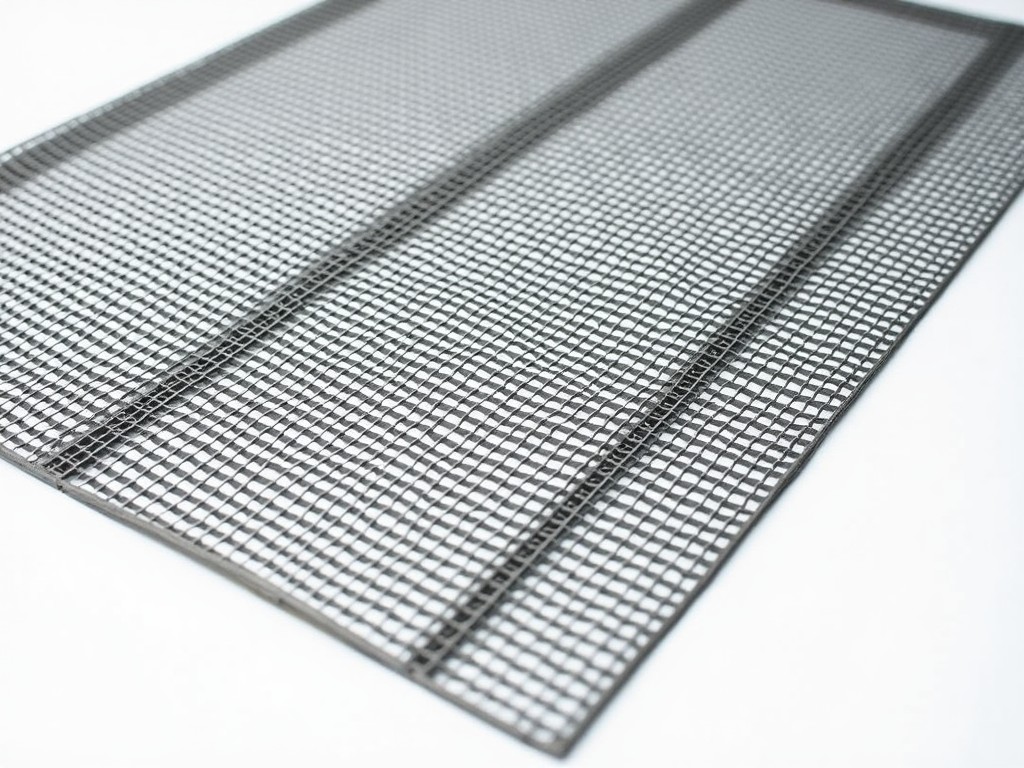
Perforated metal panels combine structural integrity with functional openings for airflow, light transmission, acoustic control, and visual screening. The pattern geometry directly influences open area percentage, structural stiffness, and manufacturing feasibility.
Selecting a supplier requires evaluating their capability to maintain dimensional accuracy across varying hole shapes, pitches, and material thicknesses while meeting industry tolerances for flatness and edge quality.
Key Pattern Characteristics Affecting Performance
The arrangement and shape of perforations determine how the panel behaves under load and in environmental exposure. Critical parameters include hole diameter, center-to-center spacing, staggered or aligned layout, and edge margin.
For example, a 60° staggered 5mm round hole pattern on 8mm centers achieves approximately 30% open area while maintaining sufficient ligament strength for architectural cladding. Square or slotted patterns offer different trade-offs in shear resistance and flow dynamics.
Pattern repeatability across large sheets affects installation alignment and aesthetic consistency, particularly in facade applications where visual continuity is specified.
Material Selection and Thickness Ranges
Material choice impacts corrosion resistance, weight, formability, and cost. Common substrates include carbon steel, galvanized steel, stainless steel (grades 304/316), aluminum alloys (3003/5052), and weathering steel.
Thickness typically ranges from 0.5mm to 6.0mm depending on material and application. Thinner gauges (0.5–1.5mm) are used for interior screens or lightweight soffits, while thicker sections (2.0–6.0mm) support structural infill or industrial guarding.
Supplier capability is demonstrated by consistent perforation quality across the full thickness spectrum without burr formation or thermal distortion.
Typical Pattern Options and Open Area Ratios
| Pattern Type | Hole Size (mm) | Pitch (mm) | Typical Open Area (%) | Common Applications |
|---|---|---|---|---|
| Round | 3.0–10.0 | 4.0–15.0 | 15–45 | HVAC grilles, acoustic panels, machine guards |
| Square | 3.0–8.0 | 5.0–12.0 | 20–50 | Architectural facades, filtration screens, ventilation |
| Slotted | 2.0x10.0–5.0x25.0 | 4.0–30.0 | 25–60 | Conveyor belts, dewatering screens, light diffusion |
| Hexagonal | 4.0–8.0 | 6.0–12.0 | 28–40 | Decorative cladding, speaker grilles, safety barriers |
Values are indicative; actual open area depends on specific hole size, pitch, and layout. Custom patterns are available upon request.
Manufacturing Considerations for Pattern Fidelity
Perforation methods include CNC punching, laser cutting, and rotary die pressing. Each technique affects edge quality, throughput, and suitability for material thickness.
CNC punching offers high repeatability for standard patterns up to 6.0mm thickness with minimal burr when using sharp punches and proper clearance. Laser cutting enables complex geometries and variable hole sizes but may cause heat-affected zones in reflective materials.
Supplier expertise is evidenced by tooling maintenance protocols, punch-to-die clearance optimization, and post-process deburring to meet edge smoothness requirements for handling or coating adhesion.
Quality Control and Dimensional Verification
Dimensional accuracy is verified using calibrated gauges, optical comparators, or coordinate measuring machines (CMM) for critical tolerances. Key inspection points include hole diameter deviation, positional accuracy, sheet flatness, and squareness.
Acceptable tolerances typically follow industry standards such as ANSI/NAAMM MBG 531 for metal bar gratings or proprietary specifications based on hole pattern and material. For example, hole position may be held to ±0.25mm relative to nominal pitch.
Surface finish consistency is assessed visually and via profilometer to ensure uniform coating adhesion or anodizing results, particularly for architectural finishes.
Applications Requiring Specific Pattern Performance
In acoustic applications, pattern geometry influences sound absorption coefficients by controlling airflow resistance and cavity depth. Perforated panels backed with absorbent material are used in auditoriums, industrial enclosures, and HVAC plenums.
For filtration or screening, open area and hole shape determine particle retention efficiency and pressure drop. Slotted or hexagonal patterns may reduce blinding in wet or fibrous material processing.
Architectural facades utilize patterns to balance daylighting, solar shading, and visual permeability. Designers specify pattern density and orientation to meet LEED or local energy code requirements for building envelope performance.
Customization and Engineering Support
Pattern development begins with application analysis: required open area, structural load, environmental exposure, and aesthetic goals. Suppliers provide CAD models and perforation layout drawings for client review.
Prototype samples are produced to validate hole quality, flatness, and finish before full production. Adjustments to punch wear, material feed, or lubrication are made based on trial results.
Technical support includes material selection guidance, corrosion allowance estimation, and installation detailing for fastening methods that accommodate thermal expansion.
For technical consultation, pattern feasibility review, or quotation requests, contact our engineering team to discuss your project specifications.
Request Technical Support
More Products

Send Inquiry
If you are interested in our products, leave your information here and we will be in touch shortly.