Perforated Plastic Mesh Sheet
Perforated plastic mesh sheets are engineered components combining open-area geometry with thermoplastic material properties to provide filtration, separation, ventilation, and structural support

Perforated Plastic Mesh Sheet
Perforated plastic mesh sheets are engineered components combining open-area geometry with thermoplastic material properties to provide filtration, separation, ventilation, and structural support across industrial processes. These sheets consist of a continuous polymer base with precisely patterned perforations—typically round, slotted, or hexagonal holes—produced via extrusion, stamping, or laser machining. The open area percentage, hole size, and pattern geometry are selected based on flow dynamics, particle retention requirements, and mechanical loading conditions. Common polymers include polypropylene (PP), high-density polyethylene (HDPE), and polyvinyl chloride (PVC), each chosen for chemical resistance, temperature tolerance, and UV stability relevant to the operating environment. Unlike woven screens or metal meshes, plastic variants offer corrosion immunity, lower density, and non-conductive properties, making them suitable for wet, chemically active, or electrically sensitive applications. Dimensional stability under load and resistance to creep deformation are critical design factors, particularly in long-span or tensioned installations. Manufacturing tolerances on hole diameter and positional accuracy directly influence screening efficiency and pressure drop characteristics, necessitating precise process control during fabrication.
Material Selection and Performance Characteristics
Polypropylene (PP) is frequently selected for perforated mesh sheets due to its melting point of approximately 160–170°C, excellent resistance to acids, alkalis, and solvents, and low moisture absorption (<0.01% by weight). HDPE offers superior impact strength at low temperatures and good chemical resistance, though with a lower maximum continuous use temperature around 80–100°C. PVC provides rigidity and flame retardancy (UL 94 V-0 achievable with additives) but exhibits reduced UV stability unless stabilized and has a lower temperature threshold (~60°C) before significant softening. Material choice affects not only chemical compatibility but also tensile strength—typically 20–35 MPa for PP, 20–30 MPa for HDPE, and 40–50 MPa for rigid PVC—and elastic modulus, which influences deflection under load. Additives such as UV stabilizers, antioxidants, or antimicrobial agents can be incorporated during compounding to extend service life in outdoor or hygienic environments. The specific gravity of these plastics (0.9–1.4 g/cm³) results in mesh sheets weighing significantly less than metallic equivalents, reducing structural support requirements in overhead or suspended installations.
Perforation Geometry and Open Area Design
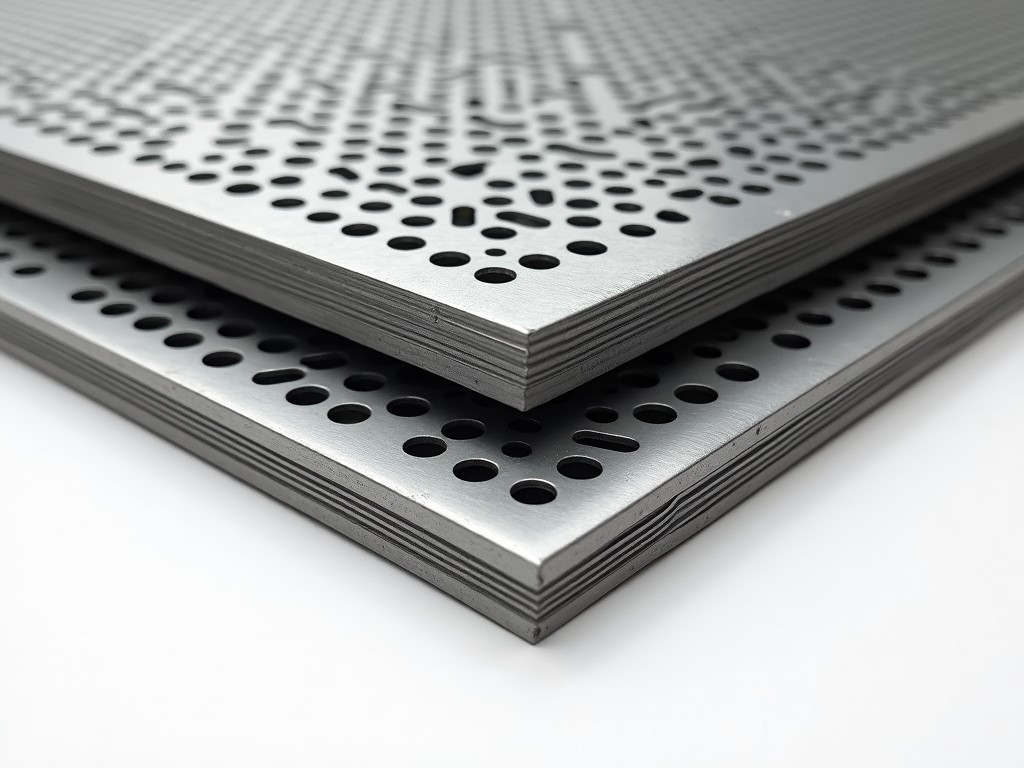
The perforation pattern directly governs functional performance: round holes provide isotropic flow and are common in general filtration; slotted openings enhance flow capacity in one direction while maintaining particle retention across the slot width; hexagonal or staggered arrangements maximize open area while preserving ligament strength between holes. Open area percentage—calculated as the ratio of hole area to total sheet area—typically ranges from 15% to 60% for industrial mesh sheets, with values below 20% favoring structural integrity and those above 40% prioritizing flow rate or ventilation. Hole diameter influences the minimum particle size retained; for example, a 2 mm round hole will generally retain particles larger than 1.8–2.0 mm depending on shape and approach velocity. Ligament width (the material between holes) must be sufficient to resist tearing under tensile load; minimum practical ligament widths are often 0.5–1.0 mm for thermoplastics, depending on material grade and hole size. Custom patterns such as graduated hole sizes or variable density zones are feasible to address non-uniform flow or loading conditions across the sheet surface.
Typical Industrial Applications
In wastewater treatment, perforated plastic mesh sheets serve as pre-filter media in screening channels, removing coarse solids like plastics, rags, and debris before downstream processes; their corrosion resistance allows continuous immersion in sewage and exposure to hydrogen sulfide without degradation. In food processing, FDA-compliant grades of PP or HDPE are used in drying trays, washing systems, and conveyor supports where moisture, cleaning agents, and temperature cycling occur; the open design promotes airflow and drainage while preventing product entrapment. Chemical plants employ these sheets as catalyst supports, basket liners in reactors, or protective shields for equipment where chemical splashes or vapors are present—PP and HDPE resist most inorganic acids, bases, and organic solvents at moderate concentrations. Agricultural applications include greenhouse ventilation panels, soil separation layers in drainage systems, and fruit/vegetable sorting screens, where UV-stabilized grades withstand prolonged sun exposure and resist fungal growth. In industrial manufacturing, they function as chip guards on machinery, splash guards in plating lines, or ventilation covers for electrical enclosures, benefiting from non-conductivity and ease of fabrication.
Customization Options and Manufacturing Considerations
Sheet dimensions are commonly fabricated in widths up to 2000 mm and lengths constrained by handling and transportation, though continuous rolls can be produced for secondary processing. Thickness typically ranges from 0.5 mm to 6.0 mm, influencing both stiffness and open area achievement—thicker sheets allow larger holes or higher open areas without excessive ligament fragility. Hole size customization spans from 0.5 mm to over 50 mm diameter, with slotted or custom geometries available upon request. Edge treatments include plain cut, rolled hem, or reinforced flaps for fastening; surface modifications such as texturing or coating may be applied to enhance grip or reduce friction. Secondary operations like cutting to size, drilling mounting holes, or forming into boxes or trays are frequently performed post-perforation. Color options are achievable through pigment compounding, with black, white, gray, and blue being standard for UV stability or visual identification; custom colors require minimum order quantities. Tolerances on hole position and diameter are generally ±0.1–0.3 mm for precision applications, though looser tolerances (±0.5 mm) are acceptable for general-purpose screening where flow rate is prioritized over exact retention.
Quality Control and Inspection Parameters
Incoming raw material is verified for melt flow index (MFI), density, and additive content to ensure consistency with the specified grade. During production, inline vision systems or laser scanning monitor hole diameter, positional accuracy, and open area uniformity across the web width. Finished sheets undergo dimensional inspection for width, length, and thickness, along with visual checks for defects such as tears, incomplete perforations, or material contamination. Burst strength or tensile tests may be conducted on samples to confirm ligament integrity, particularly for high-pressure differential applications. For food-contact or medical-adjacent uses, documentation of resin certification (e.g., FDA 21 CFR, EU 10/2011) and compliance with migration limits is provided. Chemical resistance is often validated through immersion testing in relevant substances per ASTM D543 or ISO 175, while UV stability is assessed via accelerated weathering (ASTM G154) when outdoor use is specified. Inspection reports, including material certifications and test summaries, are available upon request for critical applications.
Comparison with Alternative Materials
| Property | Perforated Plastic Mesh (PP/HDPE) | Perforated Metal Mesh (Stainless Steel) | Woven Synthetic Screen (Polyester) |
|---|---|---|---|
| Chemical Resistance | Excellent (PP/HDPE); varies with polymer | Good (304/316 SS); susceptible to chlorides, reducing acids | Moderate; prone to hydrolysis, UV degradation |
| Density (g/cm³) | 0.9–0.96 | 7.9–8.0 | 1.3–1.4 |
| Max Continuous Use Temp (°C) | PP: ~100; HDPE: ~80–100 | 304 SS: ~870; 316 SS: ~925 | ~120–150 (short-term) |
| Electrical Conductivity | Non-conductive | Conductive | Non-conductive |
| Typical Open Area Range | 15–60% | 20–70% | 30–60% |
| UV Stability | Good with stabilizers (PP/HDPE) | Excellent | Poor without inhibitors |
| Weight for Equivalent Stiffness | Lowest | Highest | Moderate |
Compared to perforated stainless steel, plastic mesh offers significant weight reduction—often 80–90% less mass for equivalent open area and thickness—reducing structural load and easing installation. While stainless steel withstands higher temperatures and provides greater inherent strength, plastic meshes eliminate corrosion risks in acidic, alkaline, or saline environments where pitting or stress corrosion cracking could compromise metal integrity. Woven synthetic screens provide flexibility and fine filtration but lack the dimensional stability and rigidity of perforated sheets, making them prone to sagging or deformation under load or high flow velocities. Plastic perforated sheets maintain precise hole geometry under tension, ensuring consistent screening performance. Cost considerations vary: plastic tooling for perforation is generally lower than metal stamping dies, but material costs fluctuate with resin prices; for large volumes or corrosive applications, the total cost of ownership often favors plastic due to reduced maintenance and replacement frequency.
Installation and Fabrication Guidelines
Perforated plastic mesh sheets can be cut using standard tools such as circular saws with fine-tooth blades, routers, or CNC waterjet/laser systems; thermal cutting methods like hot knives are effective for thin sheets but may cause edge melting if not controlled. Mechanical fastening options include screws, bolts, or rivets with washers to prevent pull-through, given the relatively low tensile strength compared to metals; adhesive bonding with compatible polymers (e.g., polypropylene welding rods) is feasible for seamless joints. When used in tensioned applications—such as screen decks or conveyor guards—edge reinforcement via hemmed borders or aluminum extrusions helps distribute load and prevent tearing at perforation sites. For chemical tank liners or vessel protection, sheets are often fabricated into custom shapes with welded or bonded seams using hot gas or extrusion welding techniques compatible with the base material. Thermal expansion must be accommodated in fixed installations; PP and HDPE exhibit coefficients of approximately 10–20 × 10⁻⁵ /°C, requiring expansion gaps or sliding supports in long runs. Cleaning procedures vary by application: food-grade sheets withstand high-pressure washing and sanitizing agents; industrial filters may require backflushing or chemical soaking; abrasive cleaning should be avoided to prevent surface wear that could enlarge perforations over time.
Ordering Information and Lead Times
Standard perforated plastic mesh sheets are available in common thicknesses (0.8, 1.5, 3.0 mm), hole sizes (2, 4, 6, 10 mm), and open area patterns (straight rows, staggered) from stock inventory for rapid dispatch. Custom specifications—including non-standard hole geometries, variable open areas, special edge treatments, or certified food-grade grades—require consultation to confirm material suitability, tooling needs, and production scheduling. Quotations typically require details on: base polymer preference, sheet dimensions (width × length × thickness), perforation pattern (hole size, shape, pitch, layout), required open area percentage, edge finish, quantity, and any regulatory compliances (FDA, EU, UL, etc.). Sample provision is possible for evaluation; sample lead times depend on whether existing tooling can be used or if new perforation dies must be fabricated. Production lead times for stock items are generally 3–5 business days; custom orders range from 2–4 weeks, influenced by material availability, tooling preparation, and order volume. Export shipments are packaged flat on pallets with edge protection and moisture-barrier wrapping; custom crating or rolling options are available for large-format or fragile specifications.
For technical assistance with material selection, perforation design, or application-specific recommendations, please contact our engineering team. Provide your operating conditions, performance requirements, and dimensional constraints to receive a tailored proposal.
Contact Us for Inquiry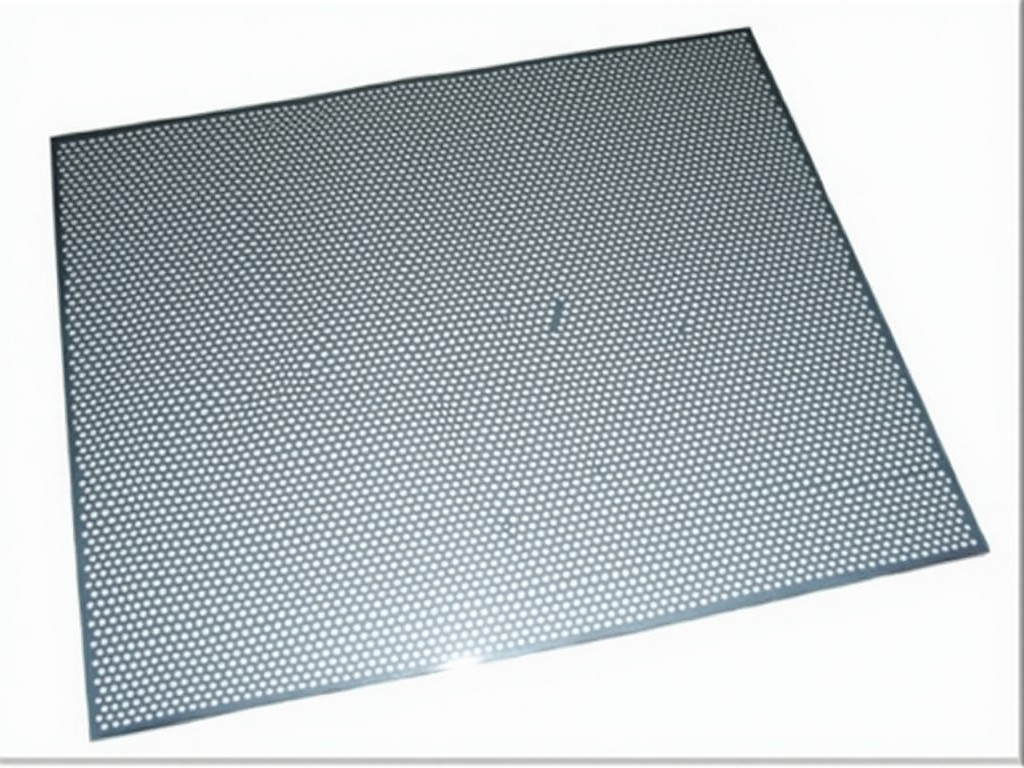
More Products

Send Inquiry
If you are interested in our products, leave your information here and we will be in touch shortly.