Pre Rinse Basket With Stainless Steel Slides
Industrial dishwashing systems require efficient pre-rinse stages to remove food solids before main wash cycles. A pre rinse basket with stainless steel slides supports this process by containing
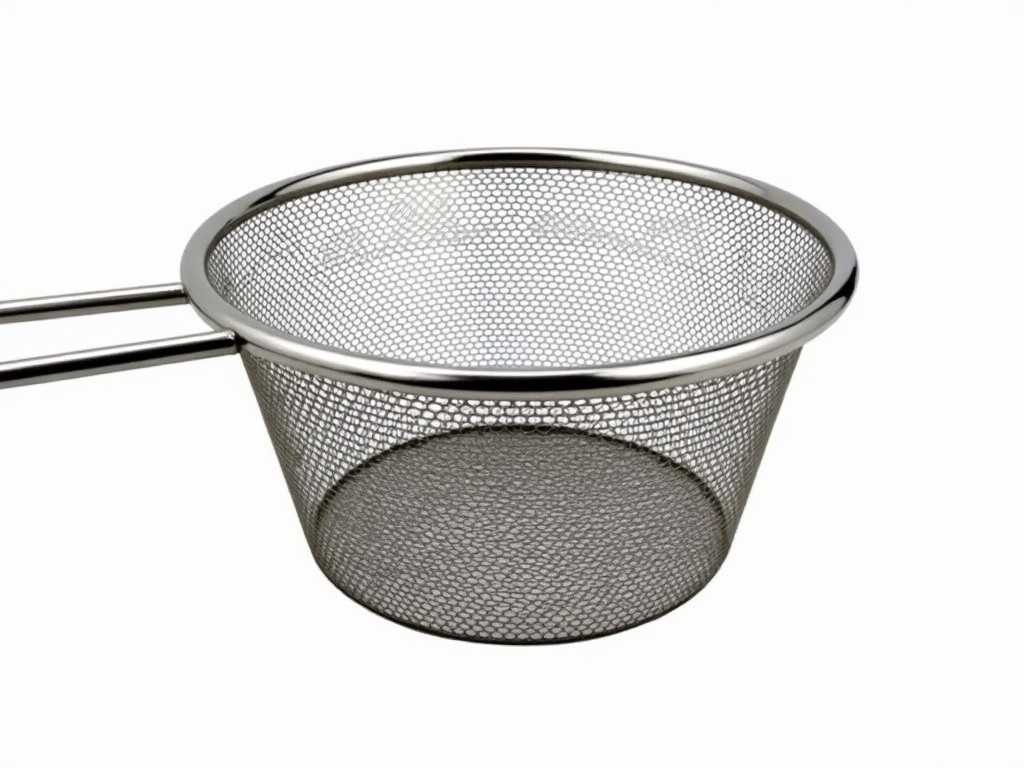
Pre Rinse Basket with Stainless Steel Slides
Industrial dishwashing systems require efficient pre-rinse stages to remove food solids before main wash cycles. A pre rinse basket with stainless steel slides supports this process by containing items during high-pressure spray while allowing smooth, guided movement into and out of the wash zone. The slides provide linear motion control, reducing manual handling and improving throughput in continuous processing lines.
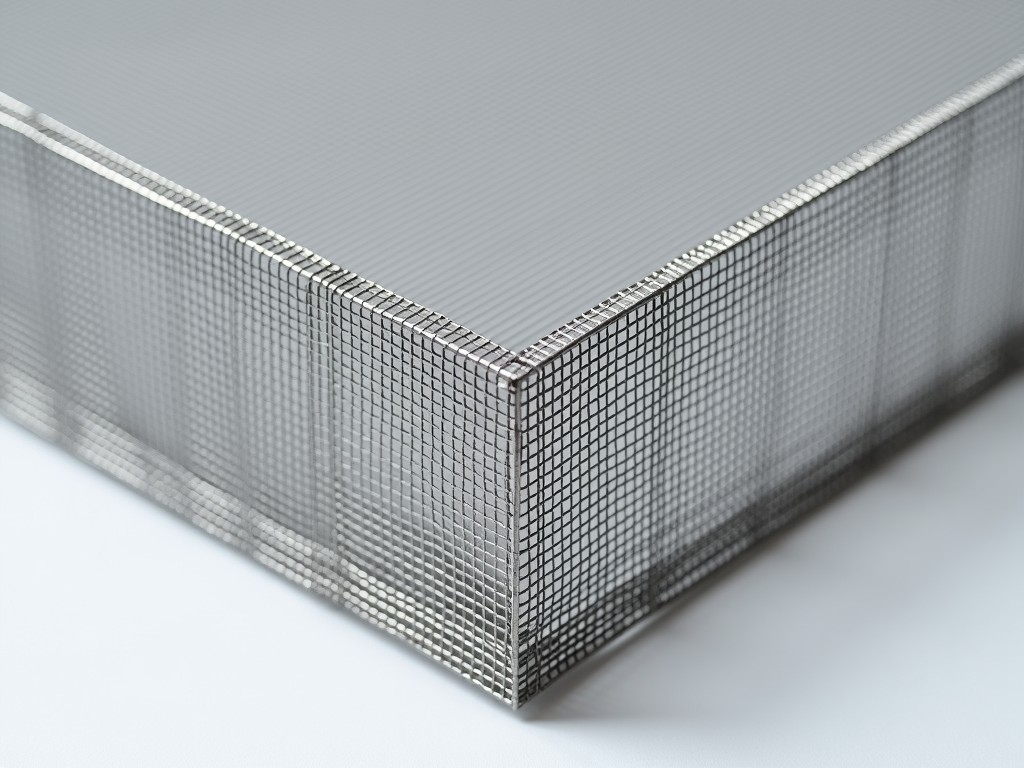
The basket structure is typically formed from perforated or wire mesh stainless steel to allow water and debris to pass through while retaining trays, utensils, or components. Stainless steel slides, often made from 304 or 316 grade, are mounted to fixed rails or frames, enabling the basket to slide horizontally with minimal friction. This configuration supports both manual and automated insertion/extraction cycles common in food processing, pharmaceutical, and industrial cleaning applications.
Material and Construction Details
The basket body is constructed from austenitic stainless steel, selected for corrosion resistance against detergents, chlorides, and high-temperature wash cycles. Common grades include 304 for general food processing and 316 for environments with higher chloride exposure or aggressive cleaning agents. Wire diameter and mesh opening are engineered to balance debris retention with hydraulic permeability, typically ranging from 1.0mm to 3.0mm wire and 6mm to 12mm apertures.
Slides are fabricated from matched stainless steel grades to prevent galvanic corrosion. They incorporate precision-formed channels or roller mechanisms to ensure smooth linear motion under load. Load capacity depends on slide design—roller-type slides can support 50kg to 150kg per pair, while channel slides are suited for lighter, frequent cycling. All edges are deburred and polished to reduce snagging and facilitate sanitation.
Mounting provisions include welded brackets, bolt-on flanges, or adjustable clamp systems compatible with standard C-channel or square rail frameworks. Adjustability allows alignment compensation for frame tolerances and enables fine-tuning of basket travel distance. Slide assemblies are designed for field replacement without dismantling the entire unit, minimizing downtime during maintenance.
Performance Characteristics
Hydraulic efficiency is a key design factor—open area percentage directly impacts spray penetration and rinse effectiveness. Typical perforated baskets achieve 30%–50% open area, while wire mesh variants range from 40%–60%, depending on weave pattern and wire thickness. This ensures sufficient flow-through to prevent blind zones where debris could accumulate.
Slide friction coefficients are kept low through material pairing and surface finish. Stainless-on-stainless slides with #4 finish or better typically exhibit dynamic friction coefficients between 0.2 and 0.4, allowing actuation with manual force under 50N for mid-range loads. In automated systems, slide responsiveness contributes to cycle time consistency, reducing variability in pre-rinse exposure.
Thermal stability is maintained across operational ranges—continuous exposure to 80°C wash temperatures and periodic 120°C sanitization cycles does not degrade slide integrity or basket form. Expansion compensation is addressed through slotted mounting holes or floating rail connections, preventing binding due to thermal elongation.
Typical Applications
In poultry processing lines, pre rinse baskets transport defeathered carcasses through initial spray zones to remove loose feathers and blood before chilling. The slide mechanism allows operators to load baskets at a clean station, slide them into the rinse chamber, and retrieve them post-cycle without crossing wet floors, improving workflow safety.
Pharmaceutical manufacturers use similar systems for cleaning glassware or stainless steel components prior to sterilization. Baskets hold beakers, vials, or tools during alkaline or enzymatic cleaning cycles, with slides enabling transfer between wash, rinse, and dry stations in controlled environments. Material compatibility with CIP (clean-in-place) agents is essential.
Industrial kitchens and centralized wash installations deploy these baskets for utensil, tray, and pot preprocessing. High-volume operations benefit from reduced manual lifting—slides convert lifting motions into horizontal pushes, lowering ergonomic strain. Custom depths and widths accommodate specific rack sizes or conveyor integration points.
Customization Options
Basket dimensions—length, width, and depth—are tailored to match process flow and item geometry. Standard depths range from 150mm to 300mm, but deeper configurations up to 500mm are available for bulky items. Length and width are adjusted to fit existing rail spacing or conveyor transfer points, with tolerances held to ±2mm for slide alignment.
Slide type can be specified based on load and frequency: plain bearing channels for low-cycle, light-duty use; ball bearing rollers for high-cycle or heavy-load applications; or polymer-coated slides where metal-on-metal wear is a concern. Mounting hardware—bolts, weld tabs, or adjustable brackets—is configured per site requirements.
Perforation or mesh pattern is customized to suit debris size and wash pressure. Fine mesh (1mm openings) captures small particulates but may clog under high solids load; larger openings (6mm–10mm) favor flow-through. Optional features include reinforced corners, handles for manual lifting, or drip lips to retain runoff during transfer.
Quality and Manufacturing Considerations
Material traceability is maintained from mill certification to final assembly, with heat numbers recorded for critical components like slides and basket frames. Welding follows ASME IX or equivalent standards, using low-carbon filler metals to preserve corrosion resistance in heat-affected zones. Post-weld cleaning includes passivation to restore the chromium oxide layer.
Dimensional inspection verifies slide parallelism, basket squareness, and smooth travel—typically checked using dial indicators or laser alignment tools over the full stroke. Load testing validates slide performance under rated capacity, often cycling to 10,000 strokes to assess wear. Surface finish is measured for roughness (Ra < 0.8μm on food-contact surfaces) to ensure cleanability.
Packaging protects components during transit—slides are separated to prevent marring, baskets are nested or stacked with interleaving, and assemblies are crated or boxed with moisture barriers. Labeling includes part number, material grade, and load rating. Documentation packages are available upon request, including material certifications and inspection reports.
| Parameter | Typical Range | Notes |
|---|---|---|
| Basket Material | 304 or 316 Stainless Steel | Selected based on chloride exposure |
| Wire Diameter (Mesh) | 1.0mm – 3.0mm | Affects open area and stiffness |
| Slide Load Capacity | 50kg – 150kg per pair | Dependent on slide type (roller/channel) |
| Operating Temperature | Up to 120°C (intermittent) | Sanitization cycles |
| Open Area (Perforated) | 30% – 50% | Impacts spray penetration |
| Slide Friction Coefficient | 0.2 – 0.4 | Stainless-on-stainless, #4 finish |
Engineers specifying pre rinse baskets should confirm slide alignment with existing wash chamber geometry to avoid binding or premature wear. Consideration should be given to debris characteristics—fibrous materials may require larger openings to prevent blinding, while fine particulates benefit from tighter mesh. Cycle frequency and load profile inform slide selection; high-duty applications justify roller-bearing investments despite higher initial cost.
Integration with automated systems requires validation of slide response time and positional repeatability. Proximity sensors or limit switches are commonly mounted to confirm basket position at load/unload points. For retrofit projects, adjustable slide mounts simplify alignment with legacy rails, reducing field modification needs.
For technical specifications, customization requests, or quotation, contact our engineering team.
Request Information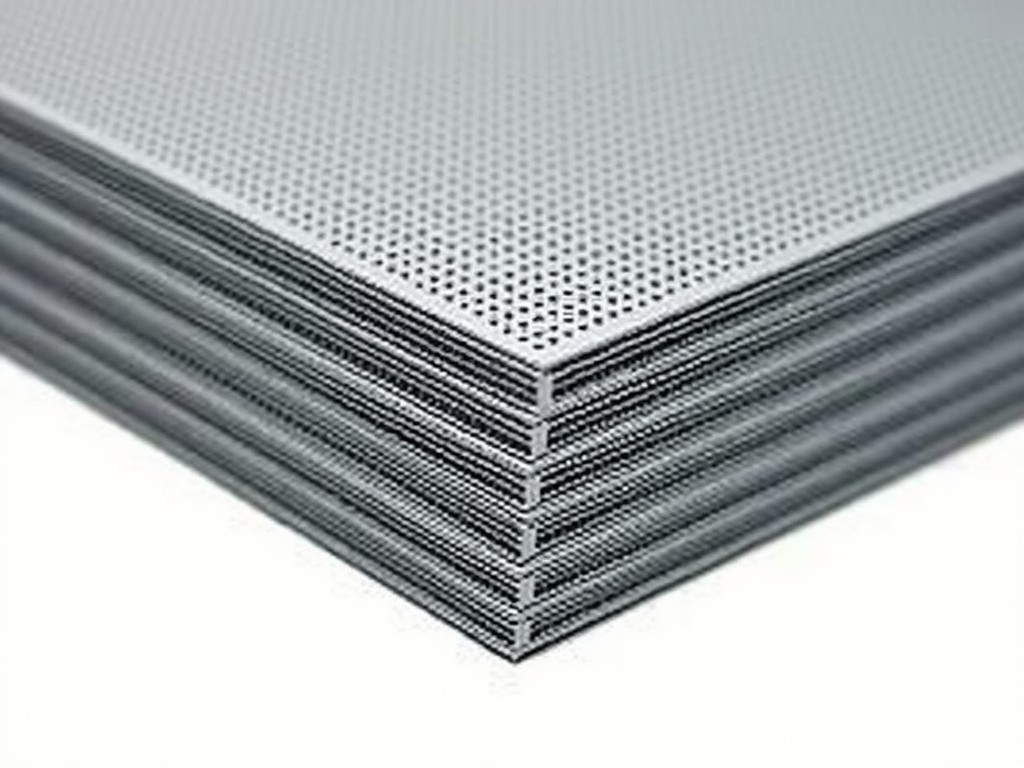
More Products

Send Inquiry
If you are interested in our products, leave your information here and we will be in touch shortly.