Stainless Steel Sink Strainer Basket
A sink strainer basket is a critical component in commercial and industrial drainage systems, designed to capture solid debris before it enters the plumbing network. In environments such as food
Stainless Steel Sink Strainer Basket
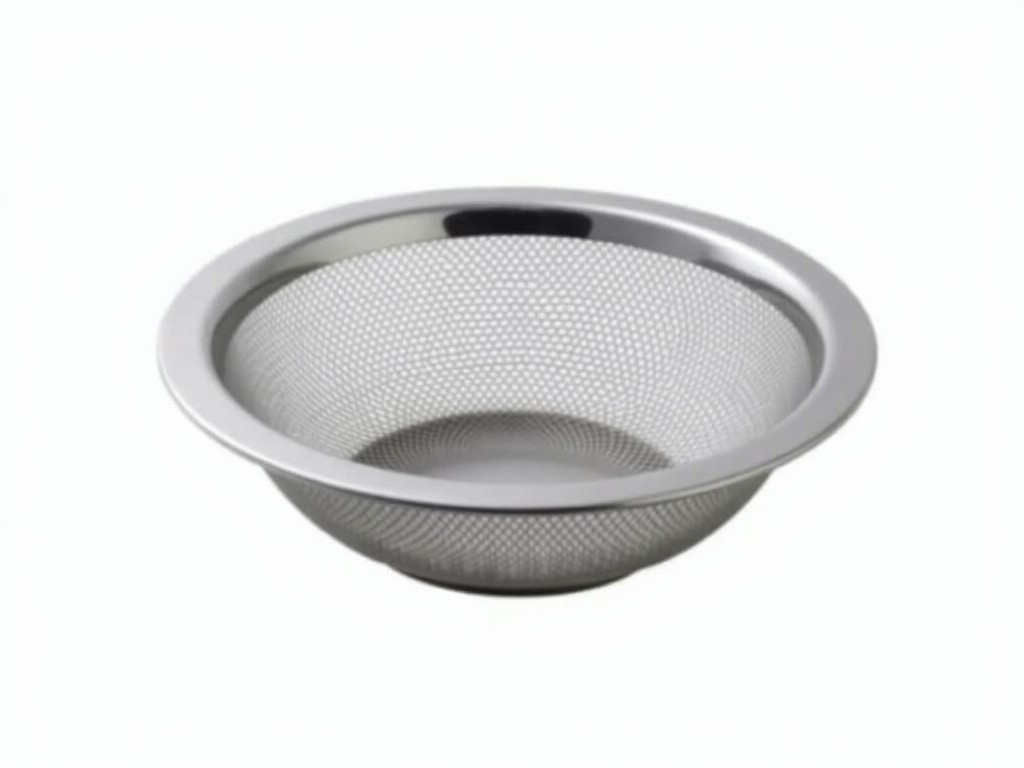
A sink strainer basket is a critical component in commercial and industrial drainage systems, designed to capture solid debris before it enters the plumbing network. In environments such as food processing facilities, laboratories, and manufacturing plants, uncontrolled particulate flow can lead to clogs, pump damage, and costly downtime. The strainer basket acts as a first-line defense, protecting downstream equipment and maintaining system hygiene.
Material selection directly impacts performance and longevity. Stainless steel is chosen for its corrosion resistance, mechanical strength, and compatibility with sanitary standards. Unlike carbon steel or plastic alternatives, stainless steel resists degradation from exposure to moisture, cleaning agents, and varying pH levels commonly found in industrial wastewater. This makes it suitable for both intermittent and continuous operation in harsh conditions.
Material Composition and Grade Options
The most commonly used grades for sink strainer baskets are AISI 304 and AISI 316 stainless steel. Grade 304 offers adequate resistance to atmospheric corrosion and mild chemical exposure, making it suitable for general industrial and kitchen environments. Grade 316 contains molybdenum, which significantly enhances resistance to chlorides and acidic solutions, making it preferable in food processing, pharmaceutical, and marine applications where exposure to salts or cleaning sanitizers is frequent.
Wire mesh thickness and opening size are engineered based on the expected debris load. Typical wire diameters range from 0.8 mm to 1.5 mm, with mesh openings between 1 mm and 5 mm. Finer mesh captures smaller particulates but increases pressure drop and cleaning frequency; coarser mesh allows higher flow rates but may let finer solids pass. Selection depends on the specific application’s flow requirements and particle size distribution.
Design and Structural Features
The basket body is typically formed from perforated sheet or woven mesh, welded or mechanically fastened to a stainless steel flange or rim for secure mounting. The flange ensures compatibility with standard sink outlets or drain housings, often featuring a rolled edge for safety and ease of handling. Some designs include a removable handle or lift tab for convenient extraction during maintenance.
To prevent bypass and ensure effective debris capture, the basket is designed to sit flush against the drain opening with minimal gap. Ventilation slots or elevated legs may be incorporated to maintain flow dynamics and prevent air locking. The overall height is usually between 25 mm and 75 mm, depending on sink depth and required debris retention capacity.
Performance Characteristics
Flow capacity is a key design parameter. For a standard 50 mm drain outlet, a 3 mm mesh strainer basket typically allows a flow rate of 20–30 liters per minute under gravity feed, assuming moderate debris loading. Pressure drop increases nonlinearly as the basket loads with solids; regular inspection and cleaning are necessary to maintain hydraulic efficiency.
Temperature resistance varies by grade. AISI 304 maintains structural integrity up to 870°C in intermittent exposure, while 316 performs better in prolonged high-temperature environments due to superior creep resistance. However, in most drainage applications, operating temperatures remain below 80°C, making both grades suitable for long-term use without thermal degradation.
Applications in Industrial Settings
In food and beverage production, sink strainer baskets prevent food solids, bone fragments, and packaging debris from entering drain lines, reducing the risk of blockages in grease traps and sewage systems. This supports compliance with hygiene standards such as ISO 22000 and FDA regulations by minimizing contamination pathways.
In pharmaceutical manufacturing, where water-for-injection (WFI) and purified water systems are used, strainer baskets protect filtration units and pumps from particulate ingress. The use of 316L stainless steel ensures compatibility with frequent SIP (steam-in-place) and CIP (clean-in-place) cycles, maintaining system integrity over extended service life.
In metalworking and machining facilities, these baskets capture swarf, grinding particles, and coolant contaminants, protecting recycling systems and preventing abrasive wear on pumps and valves. Their durability allows them to withstand exposure to oils, solvents, and metalworking fluids without deformation or corrosion.
Customization and Integration
Sink strainer baskets can be tailored to specific drain dimensions, flow requirements, and debris characteristics. Custom options include non-standard flange diameters, specialized mesh patterns (such as square or slotted openings), and integrated baffles to reduce splash or turbulence. For high-flow applications, multi-basket or stacked designs may be employed to increase surface area without excessive pressure loss.
Mounting configurations vary based on sink design. Options include drop-in, threaded, or compression-fit installations. Some models feature a locking mechanism to prevent dislodgement during vibration or hydraulic surge. Compatibility with existing drain assemblies should be verified during the design phase to avoid field modifications.
Quality and Manufacturing Considerations
Manufacturing processes emphasize dimensional accuracy and weld integrity. Laser cutting or precision stamping ensures consistent mesh geometry, while TIG welding is preferred for flange attachment to minimize heat distortion and maintain corrosion resistance at joints. Post-production passivation is standard practice to remove free iron and enhance the passive oxide layer.
Visual and dimensional inspection is conducted per batch, focusing on mesh uniformity, flange flatness, and edge finish. Functional testing may include flow rate validation and pressure drop measurement under simulated load conditions. Traceability is maintained through material lot numbers and production codes, supporting audit readiness in regulated industries.
Maintenance and Service Life
Service life depends on operating conditions, but stainless steel strainer baskets in typical industrial drainage roles often exceed five years with routine maintenance. Cleaning frequency is determined by debris load; in high-solids environments, daily inspection may be necessary, while low-load applications may require weekly or monthly attention.
The smooth, non-porous surface of stainless steel facilitates effective cleaning and resists biofilm accumulation. Unlike coated or plated alternatives, there is no risk of delamination or degradation of protective layers over time. This ensures consistent performance and reduces the likelihood of sudden failure due to material breakdown.
| Parameter | Typical Value (AISI 304) | Typical Value (AISI 316) |
|---|---|---|
| Corrosion Resistance (Chloride Environment) | Moderate | High |
| Maximum Intermittent Temperature | 870°C | 925°C |
| Tensile Strength (MPa) | 505–750 | 515–790 |
| Mesh Opening Options | 1 mm – 5 mm | 1 mm – 5 mm |
| Wire Diameter Range | 0.8 mm – 1.5 mm | 0.8 mm – 1.5 mm |
For procurement engineers and maintenance planners, specifying a stainless steel sink strainer basket requires consideration of the operational environment, expected solids load, and compatibility with cleaning protocols. Providing detailed flow conditions, particle size analysis, and chemical exposure data enables accurate selection of grade, mesh size, and geometry.
To request a quotation or discuss custom specifications for your facility’s drainage protection needs, please contact our technical team. We provide engineering support to ensure the strainer basket integrates effectively into your system, minimizing maintenance demands and maximizing operational continuity.
More Products

Send Inquiry
If you are interested in our products, leave your information here and we will be in touch shortly.