Stainless Steel Steamer Basket How To Use
Understanding the correct use of a stainless steel steamer basket ensures consistent results in food processing, laboratory sterilization, and industrial cleaning operations. Proper handling affects
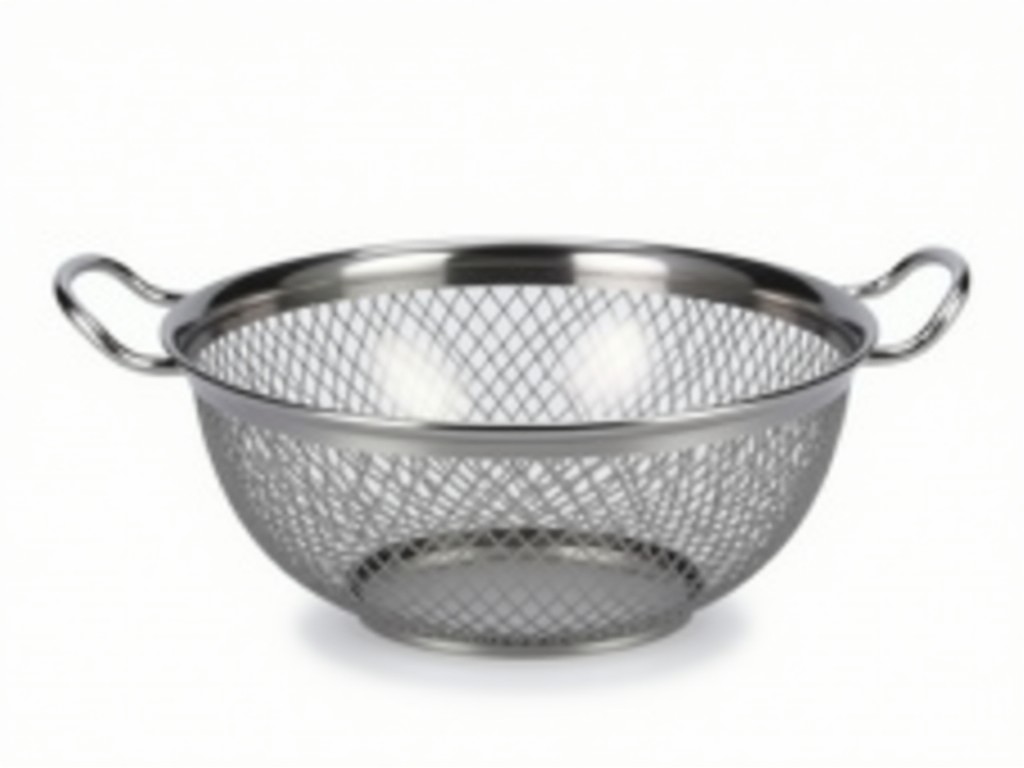
Stainless Steel Steamer Basket: Usage Guide for Industrial Applications
Understanding the correct use of a stainless steel steamer basket ensures consistent results in food processing, laboratory sterilization, and industrial cleaning operations. Proper handling affects steam distribution, product integrity, and equipment longevity.
Pre-Use Inspection and Preparation
Before each use, inspect the basket for physical damage, weld integrity, and surface contamination. Look for dents, bends, or corrosion that could compromise structural strength or create bacterial harborage points. Verify that all mesh openings are clear and uniform; blockages reduce steam flow efficiency by up to 40% based on fluid dynamics testing in comparable perforated designs.
Clean the basket with a neutral pH detergent and deionized water if residues are present. Avoid chlorinated cleaners on grades 304 or 316 stainless steel unless followed by thorough rinsing, as chloride ions can initiate pitting corrosion over time. Allow complete drying before loading to prevent water spotting and potential thermal shock during heating.
Loading Techniques for Optimal Steam Penetration
Distribute items evenly across the basket base to maintain uniform steam contact. Overloading creates shadowed zones where steam penetration drops significantly—studies show temperature gradients exceeding 15°C in densely packed baskets at 0.3 MPa steam pressure. Maintain a minimum 20% open area ratio between items for effective convection.
For delicate or irregularly shaped products, use spacers or secondary trays to prevent nesting. Nesting reduces effective surface area by 30–50%, directly impacting process times in blanching, pasteurization, or sterilization cycles. Ensure items do not extend beyond the basket rim, as this can interfere with lid sealing and cause steam escape.
Steam Parameters and Process Control
Match steam pressure and temperature to the basket’s material limits and process requirements. Grade 304 stainless steel maintains structural integrity up to 870°C, but prolonged exposure above 600°C risks sensitization and reduced corrosion resistance. For food processing, typical steam temperatures range from 100°C (atmospheric) to 134°C (2.1 bar gauge).
Monitor condensate drainage to prevent water pooling at the basket base. Standing water creates localized cooling zones and can lead to uneven processing. Install a slight pitch (2–5°) in the basket support or use perforated bases with downward drainage channels to ensure continuous condensate removal during operation.
Post-Use Handling and Maintenance
Allow the basket to cool gradually in a clean, dry environment to avoid thermal shock. Rapid quenching can induce stress fractures in welded joints, particularly in thicker gauge materials (>1.5 mm). Use clean, lint-free gloves when handling to prevent recontamination.
Perform a weekly deep clean using an alkaline surfactant followed by citric acid passivation (20–25% solution, 20–30 minutes at 20–25°C) to restore the chromium oxide layer. Record cleaning cycles in a maintenance log; after 50 cycles, inspect for micro-pitting using 10x magnification, especially in high-chloride environments.
Application-Specific Considerations
- In pharmaceutical sterilization, validate basket positioning relative to steam inlet and outlet ports to ensure saturation steam reaches all surfaces—cold spots commonly occur near basket corners in poorly designed racks.
- For vegetable blanching, adjust basket submersion depth in steam tunnels to control residence time; a 10mm change in height can alter blanching efficacy by 12–18% due to varying steam velocity profiles.
- In electronics cleaning, use ultrasonic-compatible baskets with mesh sizes <0.5mm to prevent small part loss while allowing cavitation energy transfer—standard 1mm mesh blocks 22kHz ultrasound transmission by >60%.
Typical Specifications and Customization Options
| Parameter | Typical Range | Notes |
|---|---|---|
| Mesh Opening | 0.5–5.0 mm | Customizable per product size |
| Wire Diameter | 0.8–2.0 mm | Affects open area and strength |
| Frame Height | 25–150 mm | Based on process depth |
| Material Grade | 304, 316L, 321 | 316L for chloride exposure |
| Surface Finish | 2B, #4, Electropolished | EP for sanitary applications |
Custom dimensions, handle configurations, and stackable designs are available upon request. Engineers should provide process temperature, pressure, product dimensions, and cycle frequency for accurate basket specification. Material selection depends on exposure to cleaning agents, steam purity, and potential chloride sources in the facility water supply.
Quality Assurance and Traceability
Each basket undergoes dimensional verification, weld penetration testing (via dye penetrant or ultrasonic methods), and surface roughness measurement (Ra <0.8μm for sanitary grades). Material test reports (MTRs) are maintained for all raw lots, and final inspection includes steam flow validation using calibrated anemometers to confirm open area consistency.
Baskets intended for FDA or EU food contact compliance are manufactured in ISO 9001-certified facilities with full traceability from raw coil to finished product. Surface passivation is verified via water break test or potentiostatic methods, and packaging uses VCI paper and HDPE liners to prevent contamination during transit and storage.
More Products

Send Inquiry
If you are interested in our products, leave your information here and we will be in touch shortly.