Stainless Steel Strainer Basket With Handle
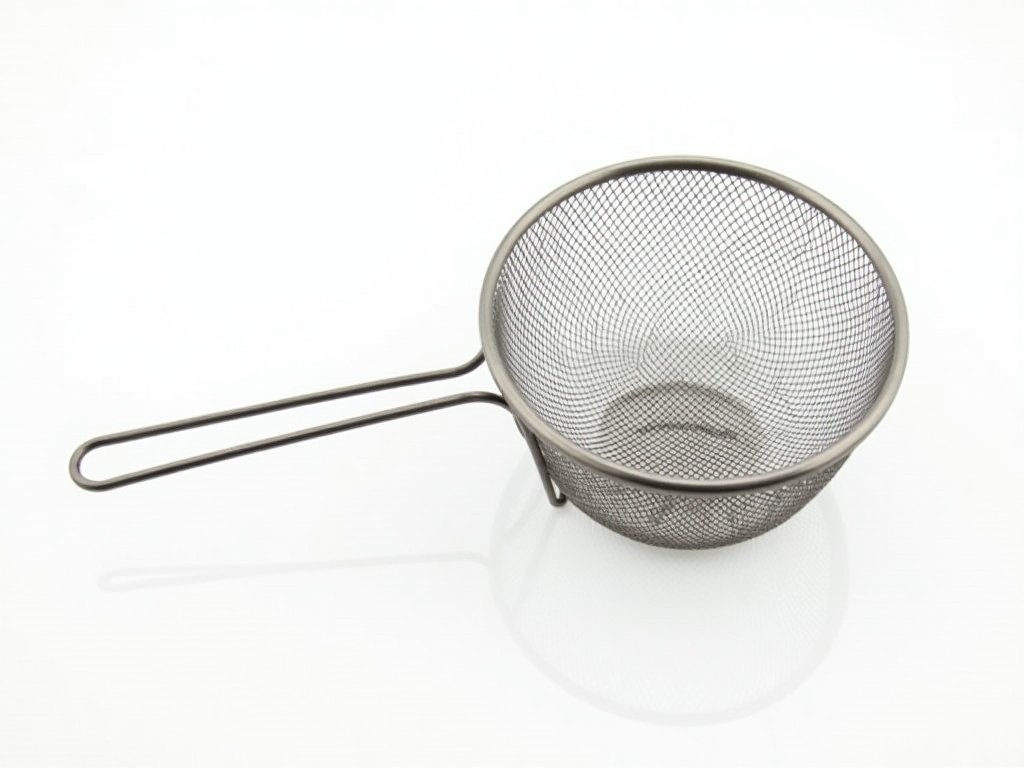
A stainless steel strainer basket with handle is a perforated or mesh containment device designed for separating solids from liquids or gases in industrial process lines. The integrated handle
Stainless Steel Strainer Basket with Handle
A stainless steel strainer basket with handle is a perforated or mesh containment device designed for separating solids from liquids or gases in industrial process lines. The integrated handle enables safe manual insertion, removal, and positioning during operation, maintenance, or cleaning cycles. These components are commonly used in applications requiring frequent access, such as batch processing, pilot plants, or systems where automated cleaning is not feasible.
Material selection directly impacts corrosion resistance, mechanical strength, and compatibility with process fluids. Austenitic grades like 304 and 316L are standard due to their chromium-nickel content, which forms a passive oxide layer resisting oxidation and chemical attack. 316L includes molybdenum for enhanced resistance to chlorides and acids, making it suitable for marine, chemical, or food-processing environments where 304 may be insufficient.
The handle is not merely an attachment but a structural consideration. It must withstand repeated mechanical stress from lifting, vibration, and thermal cycling without deforming or detaching. Handles are typically forged or welded from the same stainless steel grade as the basket body to ensure galvanic compatibility and uniform thermal expansion. Design features such as ergonomic grip contours, reinforced stress points, and smooth radii reduce user fatigue and prevent stress concentration cracks.
Design Parameters and Performance Factors
Perforation or mesh geometry defines separation efficiency and pressure drop. Hole size, open area percentage, and pattern (straight, staggered, or slotted) influence particle retention and flow capacity. A 20% open area with 1.5mm holes offers finer filtration than 40% open area with 3mm holes but increases resistance to flow. Engineers balance these factors based on target particle size, fluid viscosity, and allowable pressure loss in the system.
Basket depth and diameter affect holding capacity and service intervals. A deeper basket retains more solids before requiring cleaning, reducing downtime in continuous operations. However, excessive depth can complicate removal in confined installations. Diameter must match the housing or pipe flange to ensure proper sealing and bypass prevention. Custom lengths are achievable through modular section welding or deep drawing, subject to material thickness limits.
Thermal and mechanical loads influence material thickness selection. Standard baskets use 0.8mm to 2.0mm sheet depending on pressure differentials and mechanical impact risks. Higher thicknesses resist denting from high-velocity flows or particulate impingement but increase weight and material cost. Finite analysis is uncommon for standard units; instead, safety factors are derived from industry benchmarks and historical failure data in similar applications.
Material Comparison Table
| Property | AISI 304 | AISI 316L |
|---|---|---|
| Chromium Content | 18-20% | 16-18% |
| Nickel Content | 8-10.5% | 10-14% |
| Molybdenum Content | None | 2-3% |
| Pitting Resistance Equivalent (PREN) | ~18 | ~24 |
| Typical Use Case | Water treatment, food processing, mild chemicals | Marine environments, chemical processing, pharmaceuticals |
PREN values indicate relative resistance to localized corrosion; higher values correspond to better performance in chloride-containing environments. While 304 suffices for many indoor or low-chloride applications, 316L is specified where long-term reliability in aggressive media is critical. Material test reports (MTRs) are available upon request to verify alloy composition and traceability.
Customization and Integration Options
Basket dimensions are frequently customized to match existing process equipment. Common modifications include adjusted diameter to fit non-standard housings, altered length for specific retention volumes, and tailored flange configurations for bolted or clamp-style installations. Handle orientation—vertical, horizontal, or angled—can be adapted to ergonomic preferences or spatial constraints in tight installations.
Perforation patterns are adjustable based on process requirements. Options include round holes (standard), slots (for fibrous materials), square openings (for predictable flow dynamics), or woven mesh (for sub-micron retention). Mesh specifications are defined by wire diameter and opening size, with typical ranges from 200 micron to 5mm. Custom perforations require tooling adjustments and may affect lead time.
Additional features such as magnetic inserts for ferrous contaminant capture, quick-release handles for frequent access, or drain plugs for complete emptying are available. These are evaluated case-by-case to ensure they do not compromise structural integrity or create crevices prone to contamination. All modifications follow ASME BPE or 3-A sanitary standards where applicable, particularly in food, beverage, or biopharmaceutical contexts.
Quality Assurance and Testing Protocols
Dimensional verification occurs at multiple stages: raw material inspection, post-forming, and final assembly. Critical features like handle weld integrity, perforation uniformity, and edge flatness are checked using calipers, gauges, and coordinate measuring machines (CMMs) where necessary. Visual inspection under 10x magnification identifies surface defects such as scratches, pits, or incomplete welds that could harbor contaminants or initiate corrosion.
Pressure and flow testing validate performance under simulated operating conditions. Baskets are subjected to hydrostatic pressure tests at 1.5x design pressure to confirm leak resistance and structural stability. Flow capacity is measured using standardized fluid loops to determine pressure drop across varying flow rates, ensuring compliance with system requirements. These tests are documented and available for review.
Material verification includes positive material identification (PMI) via X-ray fluorescence (XRF) to confirm alloy grade and prevent mix-ups. Surface roughness (Ra) is measured for sanitary applications, with typical values below 0.8µm for food-grade units. Passivation treatments are applied post-welding to restore the chromium oxide layer, and efficacy is validated through copper sulfate or ferroxyl testing where required.
Industrial Applications and Operational Benefits
In chemical processing plants, these strainers protect downstream equipment such as pumps, valves, and heat exchangers from abrasive or fibrous particulates that cause wear, clogging, or mechanical failure. By capturing contaminants upstream, they extend maintenance intervals and reduce unplanned shutdowns. The handle allows operators to isolate and clean the basket without disassembling the entire line, improving safety and efficiency during routine maintenance.
Food and beverage manufacturers use sanitary-grade strainers to meet hygiene standards while removing pulp, seeds, or debris from liquids like juices, sauces, or dairy products. The smooth, crevice-free design minimizes bacterial harborage points, and the handle facilitates quick disassembly for CIP (clean-in-place) or SIP (sterilize-in-place) procedures. Compliance with FDA 21 CFR and EU 1935/2004 is achievable through material selection and finish specifications.
Water treatment facilities deploy these baskets in intake lines or pretreatment stages to remove debris, leaves, or sediment before filtration or disinfection. Their durability in wet environments and resistance to biofilm formation make them suitable for continuous operation. The handle enables rapid response during storm events or seasonal debris surges, allowing manual cleaning when automated backwash systems are overwhelmed.
More Products

Send Inquiry
If you are interested in our products, leave your information here and we will be in touch shortly.