Stainless Steel Wire Baskets For Kitchen
Stainless steel wire baskets for kitchen use are engineered to meet the rigorous demands of commercial food preparation environments. Unlike generic storage solutions, these baskets are designed with
Stainless Steel Wire Baskets for Kitchen Applications
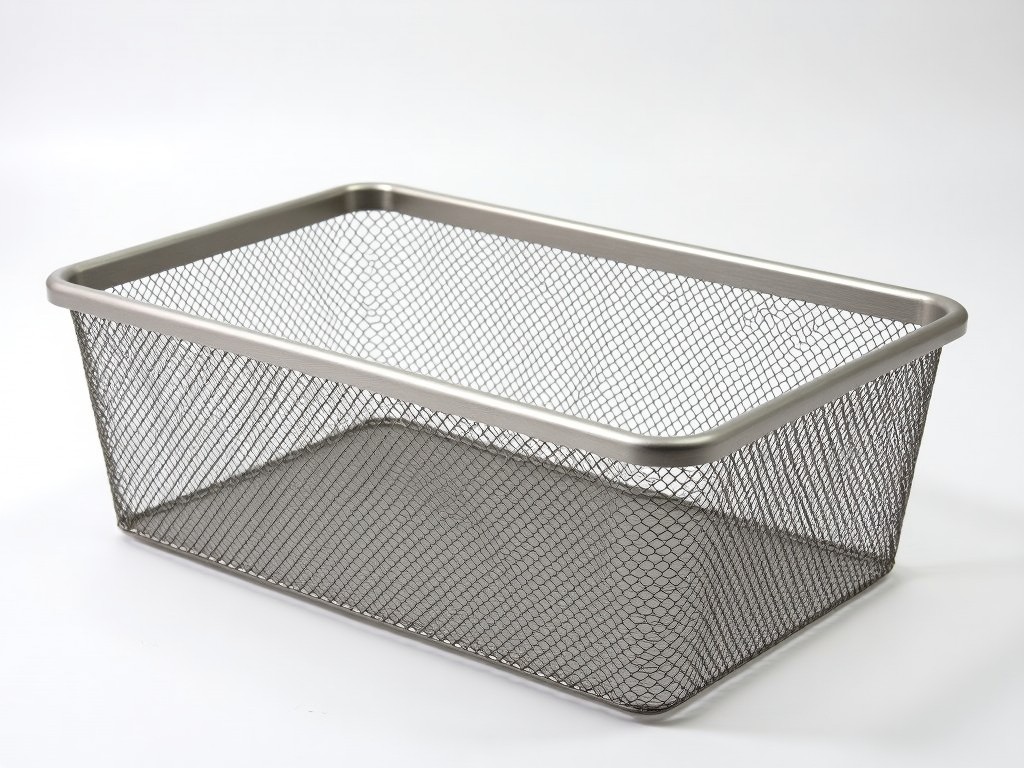
Stainless steel wire baskets for kitchen use are engineered to meet the rigorous demands of commercial food preparation environments. Unlike generic storage solutions, these baskets are designed with specific attention to corrosion resistance, load-bearing capacity, and sanitation compliance. This page details the technical specifications, material considerations, and functional design elements that influence performance and longevity in high-moisture, high-temperature settings.
Material Selection and Corrosion Resistance
The primary material for these baskets is austenitic stainless steel, most commonly grade 304 (18-8), which contains 18% chromium and 8% nickel. This composition provides inherent resistance to oxidation and pitting in environments exposed to water, detergents, and food acids. For applications involving prolonged exposure to chlorides — such as near dishwashers or in coastal kitchens — grade 316 stainless steel is specified due to its 2-3% molybdenum content, which significantly enhances resistance to chloride-induced corrosion. Wire diameter typically ranges from 2.0 mm to 4.0 mm, selected based on load requirements and mesh openness.
Structural Design and Load Characteristics
Basket geometry is optimized for structural integrity under distributed and point loads. Common configurations include rectangular, square, or cylindrical forms with vertical sidewalls and a reinforced base. The wire mesh pattern — usually square or rectangular openings — balances item containment with drainage and airflow. Open area percentage typically ranges from 40% to 60%, allowing efficient water runoff during washing and rapid drying. Sidewall height is engineered to prevent spillover while maintaining accessibility; standard heights range from 50 mm to 150 mm, with custom heights available based on container or equipment integration needs.
Surface Finish and Hygiene Compliance
Surface finish directly impacts cleanability and microbial retention. Baskets undergo electropolishing or passivation treatments to remove surface iron and create a passive chromium-rich oxide layer. This results in a surface roughness (Ra) typically below 0.8 µm, minimizing crevices where bacteria can adhere. Electropolished finishes also improve resistance to staining and simplify cleaning-in-place (CIP) procedures. All finishes comply with FDA 21 CFR §177.2600 and NSF/ANSI 51 standards for food zone materials, ensuring suitability for direct food contact in processing, holding, and transfer operations.
Customization and Integration Factors
Customization addresses specific operational constraints. Baskets can be designed with integrated handles — either wire-formed or welded loops — rated for specific load capacities (e.g., 15 kg, 25 kg) to support manual handling. Base configurations include flat wire, solid perforated sheets, or raised feet for drainage and stackability. For integration with automated systems, baskets may feature locating tabs, guide rails, or compatibility with conveyor widths. Dimensional tolerances are maintained to ±1.5 mm for length and width, and ±1.0 mm for height, ensuring reliable fit in racks, carts, or washing tunnels.
Quality Control and Manufacturing Considerations
Production involves precision wire forming, resistance welding, and post-process inspection. Weld points are tested for tensile strength, typically exceeding 70% of the parent wire’s ultimate tensile strength to prevent separation under load. Dimensional verification uses calipers and gauges to confirm squareness, sidewall straightness, and mesh uniformity. Visual inspection under 10x magnification identifies weld defects, sharp edges, or surface irregularities. Each batch undergoes salt spray testing (ASTM B117) for a minimum of 24 hours to validate corrosion resistance claims, with results available upon request.
Typical Applications in Commercial Kitchens
These baskets serve critical functions where hygiene, durability, and operational efficiency intersect. In vegetable washing lines, they contain produce during agitation and rinsing, allowing sediment to drain while preventing loss. In blanchers or steamers, their open structure ensures uniform heat and moisture exposure. For utensil holding, they organize knives, ladles, and whisks near workstations, reducing search time and cross-contamination risk. In dishwashing systems, they pre-soak or transport cookware through wash cycles, withstanding repeated exposure to high-temperature detergents and mechanical agitation. Their reusability reduces reliance on disposable alternatives, supporting sustainability goals in food service operations.
| Parameter | Typical Value / Option | Notes |
|---|---|---|
| Stainless Steel Grade | 304, 316 | 316 preferred for high-chloride exposure |
| Wire Diameter | 2.0 mm – 4.0 mm | Selected based on load and mesh stability |
| Mesh Opening | 10 mm x 10 mm to 25 mm x 25 mm | Balances containment and drainage |
| Surface Finish | Electropolished, Passivated | Ra < 0.8 µm for hygiene compliance |
| Load Capacity (Handle) | 15 kg – 50 kg | Dependent on wire diameter and weld design |
| Compliance Standards | FDA 21 CFR §177.2600, NSF/ANSI 51 | Food zone material certification |
Technical buyers should evaluate basket specifications against their specific process variables: cycle time, temperature extremes, chemical exposure, and mechanical stress. Providing detailed operational parameters — such as maximum wash temperature, detergent pH, and load weight — enables accurate material and design selection. Suppliers can then validate performance through simulated condition testing or provide historical data from similar installations. This approach minimizes the risk of premature failure, contamination, or operational disruption.
More Products

Send Inquiry
If you are interested in our products, leave your information here and we will be in touch shortly.