Wholesale Perforated Metal Sheet Door
Perforated metal sheet doors combine structural integrity with controlled airflow, light transmission, and visual screening. These doors are manufactured from sheet metal with a pattern of punched
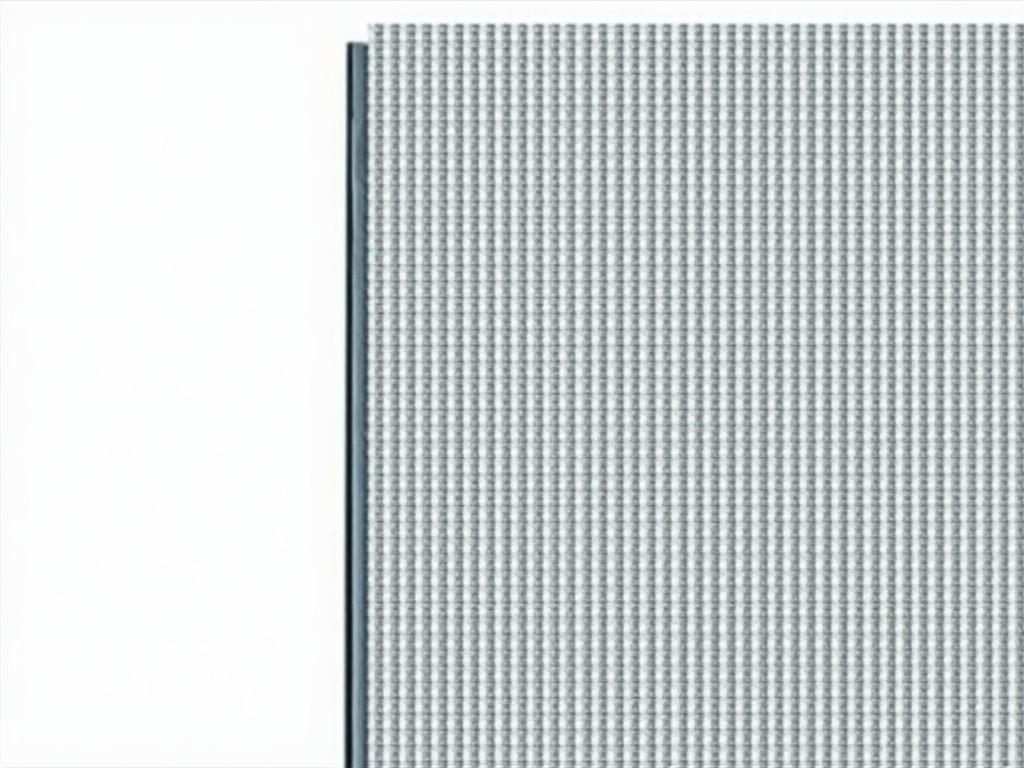
Wholesale Perforated Metal Sheet Door
Perforated metal sheet doors combine structural integrity with controlled airflow, light transmission, and visual screening. These doors are manufactured from sheet metal with a pattern of punched holes that provides predictable performance characteristics while maintaining mechanical strength for industrial applications.
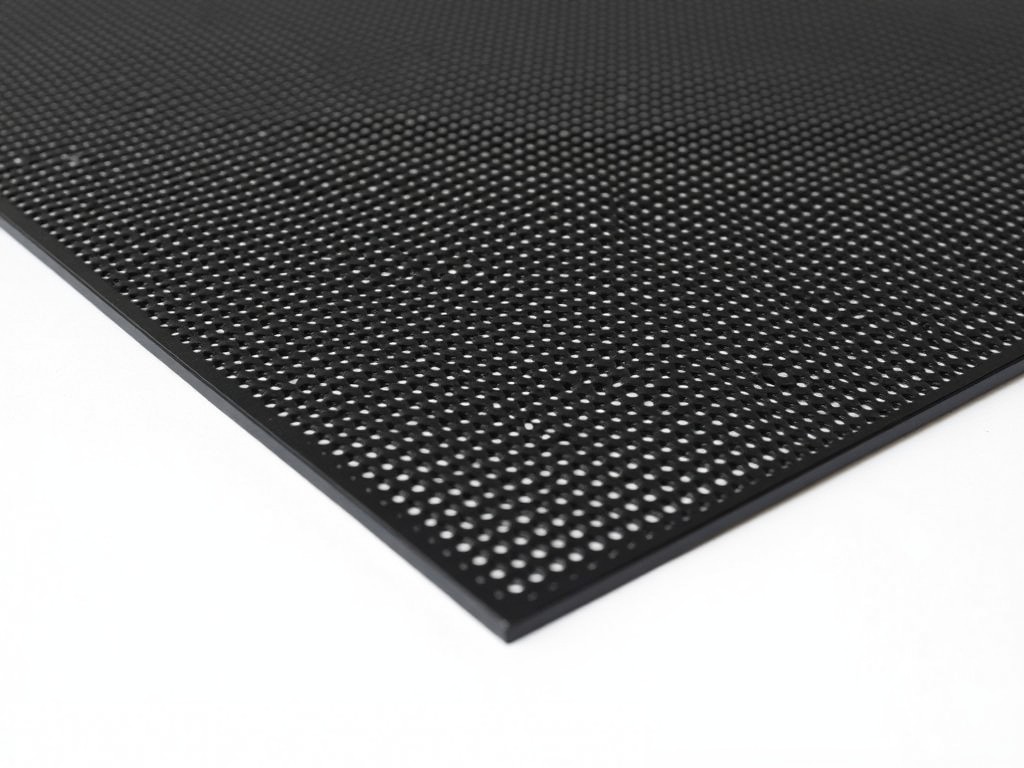
The perforation pattern is defined by hole diameter, center-to-center spacing (pitch), and open area percentage—key parameters that determine airflow resistance, acoustic attenuation, and visibility. Typical open area ranges from 15% to 60% depending on hole geometry and pitch, allowing engineers to select a door that balances ventilation needs with security and structural requirements.
Material selection influences corrosion resistance, weight, and fabrication ease. Common substrates include cold-rolled steel, galvanized steel, stainless steel (grades 304/316), and aluminum alloys. Thickness typically ranges from 0.8 mm to 2.0 mm for door leaves, with frame components often using heavier sections to support the perforated panel and hardware loads.
Technical Specifications
| Parameter | Typical Range | Notes |
|---|---|---|
| Sheet Thickness | 0.8 mm – 2.0 mm | Dependent on material and door size |
| Hole Diameter | 1.0 mm – 12.0 mm | Round, square, slot, or custom shapes |
| Pitch (Center-to-Center) | 2.0 mm – 25.0 mm | Determines open area and structural integrity |
| Open Area | 15% – 60% | Calculated from hole geometry and pitch |
| Frame Material | Carbon steel, stainless steel, aluminum | Typically 1.5 mm – 3.0 mm thickness |
| Standard Sizes | Up to 1200 mm × 2400 mm | Larger sizes available with intermediate mullions |
Material Options and Performance
Cold-rolled steel provides a smooth surface for powder coating or painting and offers high strength-to-weight ratio. Galvanized steel features a zinc coating that protects against atmospheric corrosion, suitable for semi-exposed environments. Stainless steel grades 304 and 316 resist chemical exposure and moisture, making them appropriate for food processing, pharmaceutical, and coastal applications. Aluminum alloys deliver lightweight construction with inherent corrosion resistance, reducing load on hinges and frames.
The perforation process does not significantly alter the base material’s mechanical properties when hole density remains below 60% open area. However, edge distortion and burr formation can occur during punching; secondary operations such as deburring or edge rolling are often specified to ensure safety and finish quality. For doors requiring fire resistance, perforated sheets can be combined with fire-rated cores or specified with materials that meet local fire codes.
Surface treatments include powder coating, wet paint, anodizing (for aluminum), and passivation (for stainless steel). These finishes enhance corrosion resistance, provide color options for architectural integration, and improve cleanability in hygienic environments. Coating thickness typically ranges from 60 μm to 120 μm for powder coat, depending on environmental exposure.
Applications in Industrial Environments
In manufacturing facilities, perforated metal sheet doors are used on machinery enclosures where cooling airflow is essential to prevent overheating of motors, drives, or hydraulic systems. The predictable pressure drop across the perforated panel allows engineers to size ventilation openings accurately, ensuring adequate heat dissipation without compromising operator safety or noise containment.
For architectural applications in transit stations, parking garages, or building facades, these doors provide security while allowing natural light penetration and air movement. The visual openness reduces the sense of confinement in enclosed spaces, and the patterned surface can be used for branding or aesthetic expression through custom hole arrangements or backlit panels.
In food and beverage processing, perforated doors on cold storage units or processing rooms enable air circulation to maintain uniform temperature and humidity while preventing condensation buildup. The smooth, non-porous surface of stainless steel perforated doors supports frequent cleaning regimens and resists bacterial growth when properly maintained.
Acoustic applications utilize specific perforation patterns combined with absorbent backing materials to create tuned resonators that attenuate specific frequency ranges. This approach is common in generator enclosures, compressor rooms, and HVAC equipment housings where noise reduction is required without sacrificing ventilation.
Customization and Engineering Support
Wholesale procurement requires clear communication of technical parameters to ensure the final product meets functional and regulatory requirements. Key inputs include door dimensions (width, height, thickness), perforation pattern (hole shape, size, pitch, open area), material grade, frame configuration, hardware specifications (hinges, locks, handles), and finish requirements.
Engineering support typically involves CFD analysis for airflow validation, FEA for structural assessment under wind or impact loads, and acoustic modeling for noise control applications. Suppliers often provide performance data sheets detailing pressure drop vs. airflow, sound transmission loss, and open area calculations based on AMCA or ISO standards.
Tolerances are critical for interchangeability and assembly. Typical dimensional tolerances for cut-to-size sheets are ±1.0 mm on length and width, while hole placement follows ISO 2768-m or tighter depending on application. Frame squareness is maintained within 2 mm per meter to ensure proper door operation and sealing.
Quality Control and Testing
Quality assurance begins with material verification, including mill test certificates for chemical composition and mechanical properties. Incoming perforation tooling is inspected for wear and alignment to ensure consistent hole geometry across production batches. During fabrication, dimensional checks are performed at key stages: blank cutting, punching, forming, and final assembly.
Finished doors undergo functional testing: swing operation is checked for smoothness and clearance, hardware is verified for correct torque and alignment, and surface finish is inspected for uniformity and adhesion. For perforated panels, open area is validated through optical scanning or gravimetric methods to confirm compliance with specified airflow characteristics.
Packaging for wholesale shipment includes horizontal stacking on pallets with edge protectors, interstitial foam or cardboard separators to prevent surface abrasion, and stretch wrapping to secure the load. Export shipments often incorporate moisture-barrier lining and corner bracing to withstand handling and environmental exposure during transit.
Request for Quotation
To receive an accurate quotation for wholesale perforated metal sheet doors, provide the following information: required quantity, door dimensions (width × height × thickness), material specification (e.g., SS304, galvanized steel, aluminum 5052), perforation details (hole shape, diameter, pitch, open area), frame type (e.g., tubular, angle, flush), hardware requirements (hinge type, lockset, handle), finish (e.g., powder coat RAL 9005, #4 brushed stainless), and any applicable standards (e.g., ISO 9001, local fire code).
Lead times vary based on material availability, perforation complexity, and finishing requirements. Standard carbon steel doors with common perforation patterns typically ship within 3–4 weeks after drawing approval. Stainless steel or custom-patterned doors may require 5–6 weeks. Sample production is available upon request to validate perforation aesthetics and functional performance before full-scale ordering.
More Products

Send Inquiry
If you are interested in our products, leave your information here and we will be in touch shortly.