Buy Mobile Fencing And Security
Mobile fencing and security systems provide temporary, relocatable barriers for controlling access, enhancing site safety, and securing perimeters in dynamic environments. Unlike permanent

Buy Mobile Fencing & Security Solutions
Mobile fencing and security systems provide temporary, relocatable barriers for controlling access, enhancing site safety, and securing perimeters in dynamic environments. Unlike permanent installations, these systems are engineered for rapid deployment, repeated use, and adaptability to varying ground conditions without requiring foundations or extensive site preparation. They serve industries where security needs change frequently, such as construction, events, utilities, and infrastructure projects.
Core Design Principles of Mobile Security Fencing
Effective mobile fencing balances structural integrity with portability. Panels must resist lateral forces from wind, impact, or attempted breaches while remaining light enough for manual handling or mechanized transport. Connection systems enable quick assembly without tools, yet maintain alignment and rigidity under load. Ground engagement methods — such as weighted bases, spike feet, or ballast compartments — prevent displacement without damaging surfaces like asphalt, concrete, or turf.
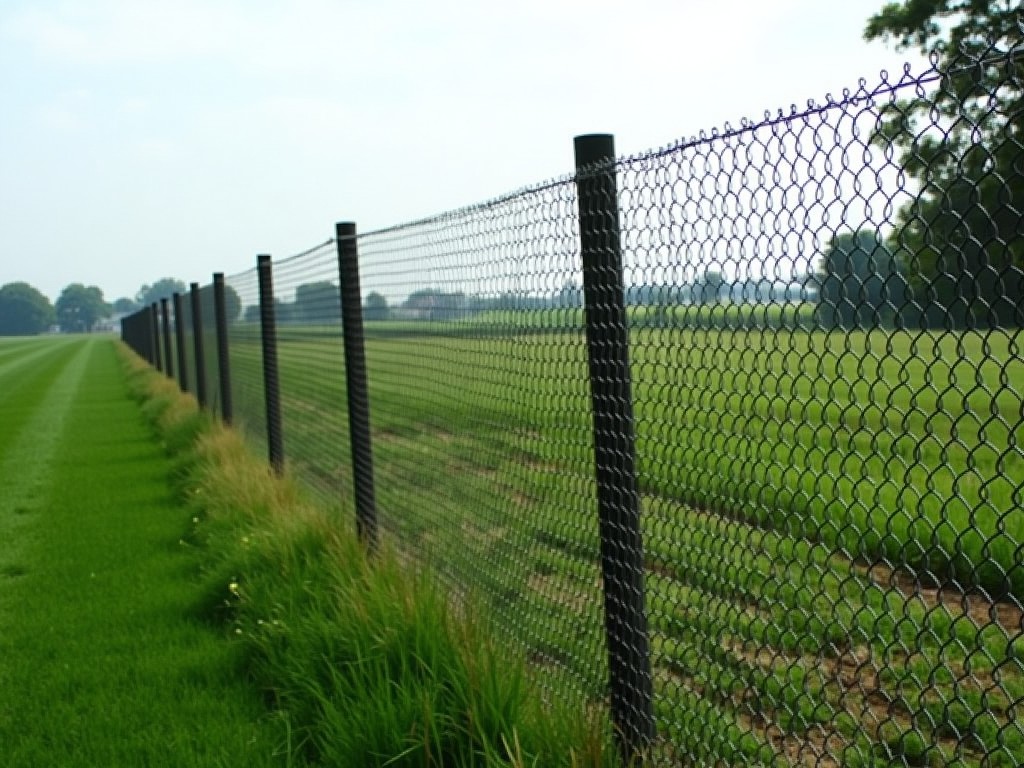
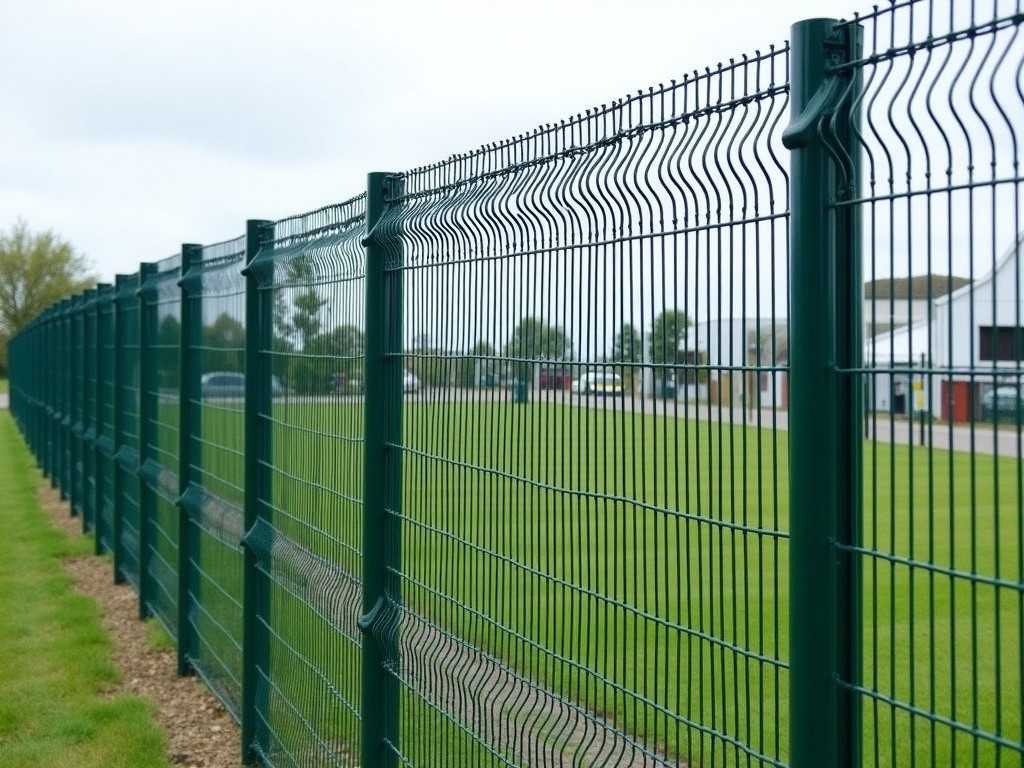
Material selection directly influences durability, weight, and corrosion resistance. Hot-dip galvanized steel is standard for frame components due to its strength-to-weight ratio and long-term weather performance. Mesh infill options vary by application: welded wire for high visibility and climb resistance, perforated steel for wind loading control, or anti-climb designs with small apertures to prevent footholds. Panel height typically ranges from 1.0m to 2.4m, with taller configurations requiring enhanced base stability or outriggers.
Key Technical Features
- Panel weights between 15–35 kg depending on height and infill, enabling two-person handling
- Interlocking couplers with spring-loaded pins for tool-free assembly and tamper resistance
- Optional integration with lighting, signage mounts, or sensor brackets for enhanced surveillance
- Anti-lift mechanisms on panel connections to prevent unauthorized disengagement
- UV-stabilized polymer feet or recycled rubber bases to protect underlying surfaces
Application-Specific Adaptations
In construction zones, mobile fencing must withstand debris impact and frequent repositioning. Systems here often incorporate reinforced corners and thicker gauge tubing (e.g., 48.3mm OD) to maintain shape after repeated handling. For public events, aesthetics and crowd flow become priorities — smoother finishes, rounded edges, and customizable infill panels allow branding or sponsorship integration without compromising security.
Utility and infrastructure projects frequently require electromagnetic compatibility. Non-conductive coatings or insulated couplers prevent interference with buried cables or signaling systems. In environmentally sensitive areas — such as wetlands or heritage sites — ground pressure is minimized through wide-base ballast systems that distribute load over larger surface areas, avoiding soil compaction or surface marking.
Typical Configuration Options
| Parameter | Standard Range | Notes |
|---|---|---|
| Panel Height | 1.0m – 2.4m | Taller panels require wider bases or outriggers for stability |
| Panel Width | 2.0m – 2.5m | Optimized for transport efficiency and manual handling |
| Frame Tubing | 38.1mm – 48.3mm OD, 1.2mm – 2.0mm wall | Hot-dip galvanized steel; powder coating available |
| Mesh Infill | 50mm x 50mm – 75mm x 75mm welded wire | Smaller apertures (e.g., 12.5mm) available for anti-climb requirements |
| Base System | Weighted feet, spike plates, or ballast compartments | Ballast typically uses sand, water, or recycled aggregate |
| Surface Protection | Rubber pads, polymer caps, or wide-base distributors | Selected based on ground type: asphalt, concrete, grass, or gravel |
Quality and Longevity Considerations
Galvanization thickness is a critical factor in service life. Minimum 55µm zinc coating (per EN ISO 1461) ensures resistance to rust in outdoor conditions for 10–15 years with minimal maintenance. Panel edges should be rounded or capped to prevent cutting hazards during handling. Coupler mechanisms undergo cyclic testing — typically 5,000+ lock/unlock cycles — to verify long-term functionality without deformation or spring fatigue.
Wind load resistance is evaluated based on solidity ratio and height. A 2.0m high panel with 50mm mesh has a solidity ratio of ~30%, allowing safe use in wind zones up to 28 m/s (63 mph) when properly ballasted. Manufacturers provide wind loading charts specific to panel height, mesh type, and base weight — essential data for securing permits or meeting site safety regulations.
Customization and Integration
Mobile fencing systems are rarely used in isolation. Integration with access control points — such as turnstiles, gates, or pedestrian barriers — requires matching panel heights and coupler compatibility. Some systems offer modular gate leaves that match panel aesthetics while providing lockable single or double openings. For nighttime operations, retrofittable LED lighting strips can be mounted along the top rail, powered by external batteries or solar kits.
Custom colors are available via powder coating over galvanized substrate, though this adds cost and may slightly affect corrosion resistance if coating is damaged. Reflective strips or high-visibility panels (e.g., white or yellow infill) improve safety in low-light zones without requiring electrical components. All customizations should be evaluated for impact on weight, wind loading, and structural integrity.
Procurement Guidance
When specifying mobile fencing, provide detailed site conditions: ground surface type, slope variations, expected wind exposure, duration of use, and frequency of relocation. Indicate whether the system must comply with local safety standards (e.g., BS 8414 for temporary barriers, or local event safety codes). Request ballast recommendations based on intended fill material — water, sand, or aggregate — as this affects total system weight and logistics.
Request sample panels for on-site testing before large orders. Evaluate ease of assembly, noise during coupling, and stability under simulated load. Confirm spare part availability for couplers, feet, and tension wires — critical for minimizing downtime during extended deployments. Suppliers should provide clear packing lists showing panels per pallet, coupler quantities, and base components to streamline receiving and storage.
Product Categories


Send Inquiry
If you are interested in our products, leave your information here and we will be in touch shortly.