Buy Non Permanent Fence Options
Non-permanent fencing refers to modular barrier systems designed for temporary installation and removal without permanent ground anchoring or civil works. These systems are commonly used in
Buy Non-Permanent Fence Options
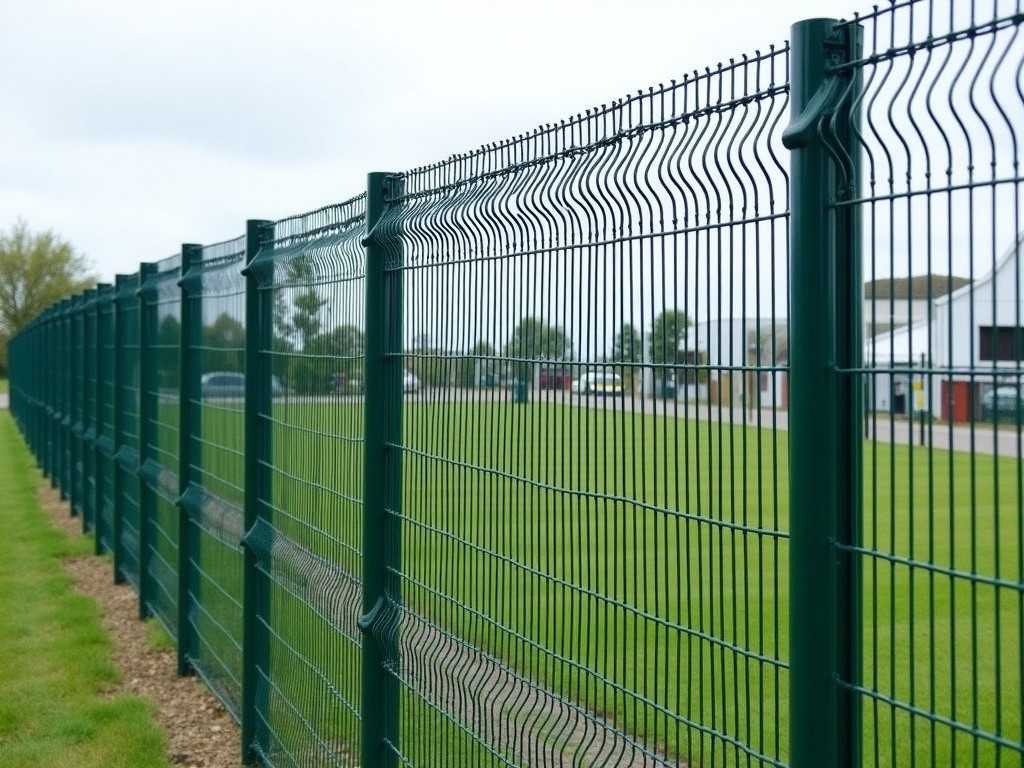
Non-permanent fencing refers to modular barrier systems designed for temporary installation and removal without permanent ground anchoring or civil works. These systems are commonly used in construction sites, event management, utility maintenance, and industrial facility upgrades where access control, safety delineation, or site security is required for limited durations. Unlike permanent fencing, non-permanent options prioritize rapid deployment, reusability, and minimal site impact. Selection depends on load requirements, environmental exposure, expected duration of use, and ease of handling by personnel.
Key Design Characteristics
Effective non-permanent fencing systems balance structural integrity with operational practicality. Critical design factors include panel weight, connection mechanism stability, wind load resistance, and corrosion protection. Panels typically range from 20 to 40 kg each to allow manual handling while maintaining rigidity. Interlocking systems must resist lateral displacement under anticipated loads—such as crowd pressure or equipment impact—without requiring tools for assembly. Surface treatments like hot-dip galvanization or powder coating extend service life in outdoor environments by preventing rust formation on steel components.
Material Options and Performance
Material selection directly influences durability, weight, and lifecycle cost. Steel remains the most common choice due to its strength-to-weight ratio and recyclability. Common specifications include hot-rolled steel tubing with minimum wall thickness of 1.2 mm for vertical posts and 1.0 mm for horizontal rails. Alternative materials such as high-density polyethylene (HDPE) or reinforced PVC are used in non-corrosive, low-impact scenarios where weight reduction is prioritized over structural rigidity. HDPE panels typically weigh 30–50% less than steel equivalents but exhibit lower resistance to point impacts and UV degradation over extended exposure.
Standard Panel Dimensions and Configurations
Modular panels are manufactured in standardized widths and heights to ensure compatibility across projects and simplify inventory management. Typical panel widths range from 2.0 to 2.5 meters, allowing efficient transportation and storage. Heights vary based on application: 1.0–1.2 m for pedestrian control, 1.5–1.8 m for general site security, and up to 2.0 m for high-risk zones requiring visual deterrence. Vertical post spacing is usually 50–60 mm to prevent climb-through hazards while maintaining panel stiffness. Custom lengths are achievable through modular coupling, though standard sizes reduce lead time and complexity.
Connection and Stabilization Systems
The reliability of a non-permanent fence depends on its ability to remain stable under lateral loads without ground penetration. Common connection methods include pin-and-loop couplers, U-bolt clamps, and wedge-lock systems. Pin-and-loop designs allow rapid assembly but require periodic inspection for pin retention under vibration. Wedge-lock mechanisms provide higher resistance to accidental disengagement but may increase assembly time. Stabilization is achieved through weighted bases (typically concrete or steel ballast) or ground spikes for soft terrain. Base weight must generate sufficient overturning resistance—calculated as moment arm times load—to counteract expected forces such as wind gusts or incidental contact.
Typical Applications Across Industries
In construction, non-permanent fencing separates work zones from public pathways, preventing unauthorized access to hazardous areas like excavations or crane swing radii. Event organizers use these systems to manage crowd flow, designate VIP areas, and secure equipment staging zones—where quick reconfiguration supports dynamic scheduling. Utility crews deploy them during roadworks or pipeline maintenance to create safe perimeters around open trenches or valve operations, compliant with temporary traffic management regulations. Industrial facilities use them during turnarounds or equipment upgrades to isolate maintenance zones without disrupting adjacent operations.
Comparison of Common System Types
| Feature | Steel Panel System | HDPE Panel System | Hybrid (Steel Frame + HDPE Infill) |
|---|---|---|---|
| Typical Panel Weight | 25–35 kg | 12–18 kg | 18–24 kg |
| Wind Load Resistance (3-second gust) | Up to 110 km/h | Up to 80 km/h | Up to 95 km/h |
| Impact Resistance (Point Load) | High | Medium | Medium-High |
| UV Stability (5-year outdoor) | Excellent (with coating) | Good (requires stabilizers) | Good to Excellent |
| Typical Use Case | Construction, high-security zones | Events, low-traffic areas | General site use, rental fleets |
Quality Control and Lifecycle Considerations
Manufacturing consistency ensures interchangeable parts and predictable performance across batches. Dimensional tolerances for panel frames are typically held to ±3 mm to maintain alignment during coupling. Weld quality on steel systems is verified via visual inspection and spot tensile testing to confirm joint strength exceeds 80% of base material. For HDPE components, melt flow index and density are monitored to ensure material consistency. End-of-life recyclability is a growing consideration—steel systems achieve near-total recovery, while HDPE requires separation from contaminants for effective reprocessing. Users should inspect panels before each deployment for deformation, corroded fasteners, or cracked stabilizer bases.
Customization and Project-Specific Adaptation
While standard configurations cover most temporary needs, certain projects require tailored solutions. Common customizations include integrated warning signage mounts, anti-climb toppings (such as angled brackets or mesh extensions), and branded panel faces for sponsor visibility at events. Gate assemblies—either single or double leaf—can be incorporated using the same modular principles, with options for self-closing hinges or lockable latches. Height extensions are achievable through add-on sections, though stability must be re-evaluated due to increased overturning moment. Color options are available via powder coating in RAL standards to match corporate identity or improve visibility under low-light conditions.
Procurement and Deployment Guidance
When sourcing non-permanent fencing, provide suppliers with site-specific details: expected duration of use, terrain type (soft ground, asphalt, concrete), anticipated loads (wind, crowd, equipment), and required access points. This enables accurate specification of panel quantity, connection type, and stabilization method. Request documentation on material certifications (e.g., EN 10204 for steel, ISO 9001 for manufacturing) and load test reports if available. Consider total cost of ownership—including transportation, storage, maintenance, and eventual resale value—rather than unit price alone. Many manufacturers offer rental or lease options for short-term needs, reducing capital expenditure and storage burden.
For technical inquiries, customization requests, or quotation assistance regarding non-permanent fence systems, contact our engineering team to discuss your project requirements. We provide detailed specifications, layout support, and logistical coordination to ensure safe, efficient, and compliant temporary barrier solutions.
Contact Us for Project Support
Product Categories


Send Inquiry
If you are interested in our products, leave your information here and we will be in touch shortly.