Plastic Coated Mesh Fencing Factory Direct
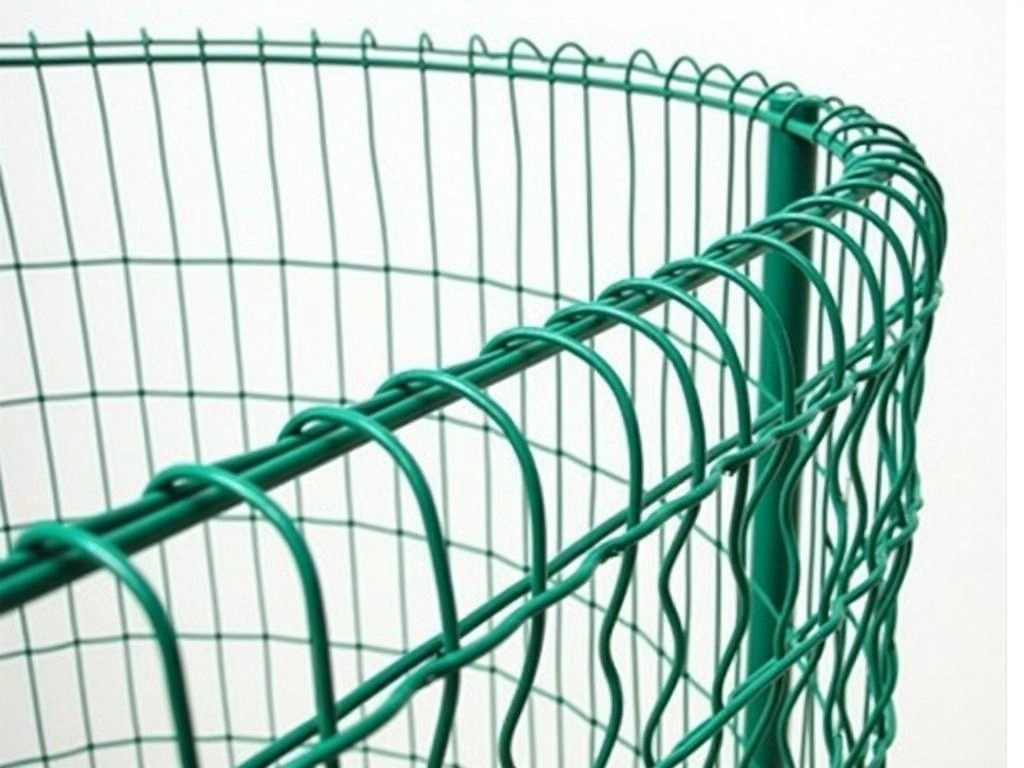
Plastic coated mesh fencing combines welded or woven steel wire with a polymer coating to provide corrosion resistance and extended service life in demanding environments. The coating acts as a
Plastic Coated Mesh Fencing Factory Direct
Plastic coated mesh fencing combines welded or woven steel wire with a polymer coating to provide corrosion resistance and extended service life in demanding environments. The coating acts as a barrier against moisture, chemicals, and UV exposure, preserving the structural integrity of the underlying steel mesh. Factory direct sourcing eliminates intermediary markups while maintaining control over material specifications and coating consistency.
Industrial buyers select this fencing for perimeter security, animal containment, and site demarcation where long-term durability reduces lifecycle costs. The plastic layer prevents rust formation that compromises bare steel fencing, particularly in coastal, agricultural, or industrial zones with high humidity or chemical exposure. Understanding the coating type, adhesion method, and mesh geometry is essential for matching the product to site-specific risks.
Coating Materials and Performance Characteristics
The plastic coating is typically applied via extrusion or dip-coating processes using polyethylene (PE), polyvinyl chloride (PVC), or polypropylene (PP) resins. Extrusion coating delivers uniform thickness (usually 0.3–0.5 mm) and strong adhesion by melting the polymer onto pre-heated steel wire. Dip-coating involves immersing the mesh in molten plastic, resulting in a thicker layer (0.5–1.0 mm) but potential for uneven coverage on complex geometries.
PE coatings offer excellent flexibility and UV stability, making them suitable for outdoor installations in temperate climates. PVC provides higher chemical resistance and rigidity, often used in industrial settings where exposure to oils or solvents is expected. PP combines moderate chemical resistance with a higher melting point, appropriate for environments requiring thermal stability. Coating thickness directly correlates with barrier effectiveness; thicker layers extend service life but increase weight and material cost.
Mesh Construction and Structural Properties
The underlying mesh is fabricated from low-carbon steel wire, either welded at intersections or woven in a chain-link pattern. Welded mesh provides rigid panels with minimal deflection under load, ideal for high-security perimeters or areas requiring minimal maintenance. Chain-link mesh offers flexibility and ease of installation over uneven terrain, commonly used for agricultural enclosures or temporary barriers.
Wire diameter typically ranges from 2.0 mm to 4.0 mm, influencing tensile strength and impact resistance. Aperture sizes vary from 12 mm x 12 mm for small animal containment to 100 mm x 100 mm for large livestock or perimeter demarcation. The combination of wire gauge and opening size determines the fence’s resistance to climbing, cutting, and deformation under wind or impact loads.
Typical Specifications and Customization Options
| Parameter | Typical Range | Customizable? |
|---|---|---|
| Wire Diameter | 2.0–4.0 mm | Yes |
| Aperture Size | 12x12 mm to 100x100 mm | Yes |
| Coating Type | PE, PVC, PP | Yes |
| Coating Thickness | 0.3–1.0 mm | Yes |
| Roll Width | 0.5–3.0 m | Yes |
| Roll Length | 10–50 m | Yes |
Specifications vary based on project requirements. Exact values confirmed during quotation.
Industrial Applications and Environmental Suitability
In agricultural settings, plastic coated mesh fencing contains livestock while resisting degradation from manure, fertilizers, and irrigation water. The smooth coating reduces injury risk to animals compared to bare steel, which can develop sharp edges from rust. For poultry or small animal enclosures, finer mesh apertures (12–25 mm) prevent escape while maintaining visibility and airflow.
Industrial facilities use this fencing for securing substations, wastewater treatment plants, and storage yards where chemical splashes or saline air accelerate corrosion of uncoated steel. The plastic layer isolates the steel from electrolytes, significantly reducing electrochemical corrosion rates. In coastal regions, PVC-coated variants demonstrate superior resistance to salt spray degradation compared to PE alternatives.
Construction sites employ temporary plastic coated mesh fencing for perimeter delineation and debris containment. The coating prevents rust staining on concrete surfaces and allows reuse across multiple projects due to extended service life. Unlike bare steel fencing that requires frequent replacement, coated versions maintain appearance and structural integrity over extended outdoor exposure.
Quality Control and Manufacturing Considerations
Adhesion between the steel substrate and plastic coating is critical for long-term performance. Manufacturers conduct peel tests (ASTM D903) to measure bond strength, with values typically exceeding 5 N/cm for properly extruded coatings. Inadequate adhesion leads to delamination, exposing steel to corrosion and compromising the fence’s protective function. Surface preparation—such as cleaning, phosphating, or priming—directly influences coating durability.
Coating uniformity is monitored using optical microscopy or thickness gauges to detect thin spots or pinholes that could initiate corrosion. Consistent extrusion temperature and line speed ensure even polymer distribution along the wire length. For dip-coated products, viscosity control and immersion time affect layer thickness and drainage characteristics, requiring precise process control to avoid runs or uneven coverage.
Post-coating inspections include flexibility tests (bending mandrel) to verify the coating does not crack under deformation, and impact resistance assessments (ASTM D2794) to ensure durability during handling and installation. UV stability is evaluated through accelerated weathering (ASTM G154) to predict color retention and mechanical property retention over time.
Factory Direct Advantages for Procurement
Sourcing directly from the manufacturer enables precise control over material traceability, from steel wire grade to resin batch numbers. This transparency supports quality audits and facilitates compliance with project-specific material standards. Buyers can request mill certificates for steel and resin suppliers, verifying mechanical properties and chemical composition before production begins.
Lead times are often shorter when eliminating distribution layers, as production scheduling aligns directly with order receipt. Manufacturers can adjust extrusion parameters or mesh dimensions in real time based on feedback, reducing the risk of specification mismatches. Technical support is accessible during the design phase, allowing engineers to validate coating thickness, aperture size, and panel dimensions against site requirements.
Cost savings arise from reduced handling, minimized inventory markup, and optimized packaging for bulk shipment. Manufacturers typically offer volume-based pricing tiers and can consolidate multiple product types (e.g., posts, tension wires, fittings) into a single shipment. Export packaging includes moisture barriers and UV-protective wraps to preserve coating integrity during transit and storage.
For technical specifications, customization requests, or quotation inquiries, contact our engineering team.
Request Technical Quote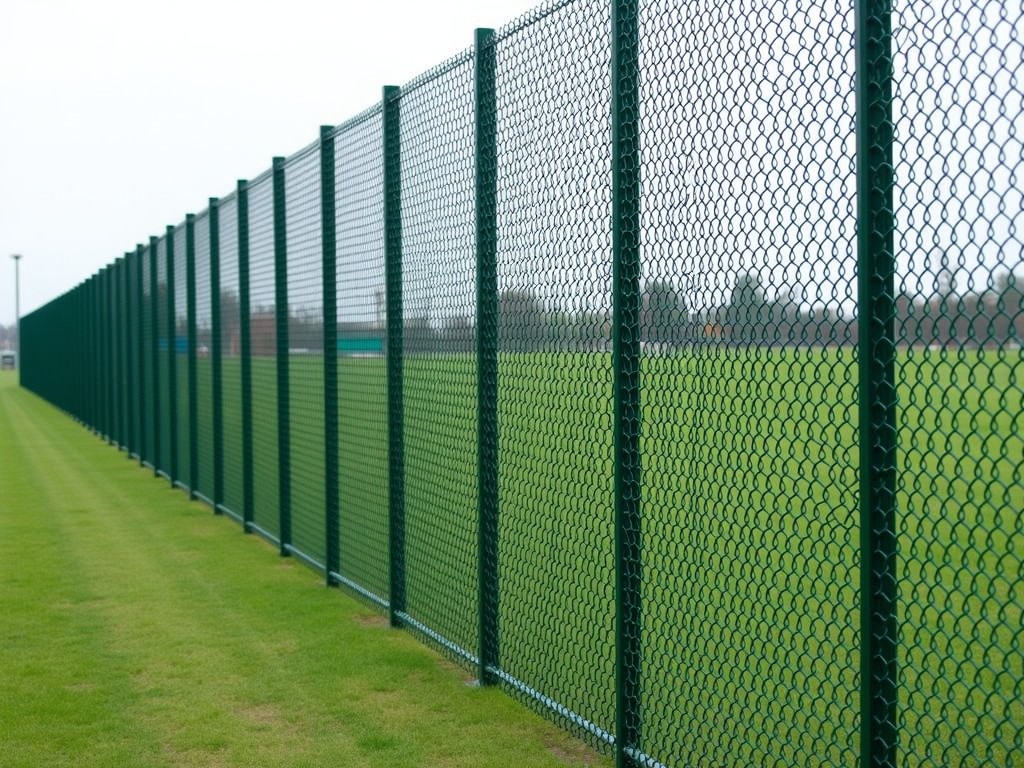
Product Categories


Send Inquiry
If you are interested in our products, leave your information here and we will be in touch shortly.