Temporary Orange Construction Fencing
Temporary orange construction fencing serves as a highly visible barrier system designed to delineate work zones, restrict unauthorized access, and enhance safety on active job sites. Its primary
Temporary Orange Construction Fencing
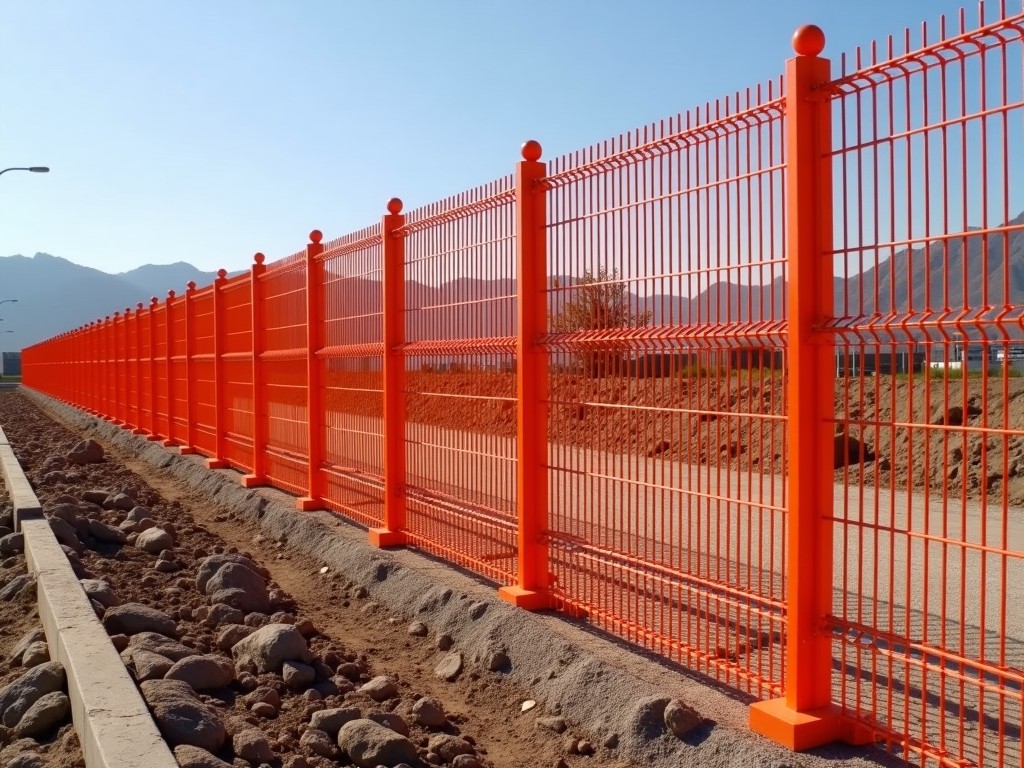
Temporary orange construction fencing serves as a highly visible barrier system designed to delineate work zones, restrict unauthorized access, and enhance safety on active job sites. Its primary function is to provide a clear, standardized visual cue that meets occupational safety requirements while withstanding typical environmental exposures encountered during short- to mid-term construction projects. Unlike permanent fencing solutions, this product prioritizes rapid deployment, retrieval, and reuse across multiple sites.
Material Composition and UV Stability
The fencing is manufactured from high-density polyethylene (HDPE) resin formulated with ultraviolet (UV) stabilizers to resist degradation from prolonged sun exposure. Standard material thickness ranges from 1.0 to 1.5 mm, providing sufficient tensile strength to withstand wind loads and incidental impacts without permanent deformation. The orange pigment is dispersed throughout the polymer matrix, ensuring color consistency even if surface abrasion occurs, which maintains visibility compliance over the product’s service life.
Standard Dimensions and Mesh Configuration
Typical panel heights are 4 feet (1.22 m) with roll lengths of 50 or 100 feet (15.2 or 30.5 m), allowing for continuous runs that minimize connection points. The mesh features a diamond or square aperture pattern with opening sizes between 1.5 and 2.0 inches (38–51 mm), balancing visibility, airflow, and resistance to debris accumulation. Vertical and horizontal ribs are integrated into the extrusion to increase flexural rigidity, reducing sag between support posts when installed correctly.
Installation Method and Support Requirements
Installation relies on standard steel or plastic T-posts driven into the ground at intervals of 8 to 10 feet (2.4–3.0 m), with the fencing secured using plastic zip ties or metal clips through pre-formed grommets along the top and bottom edges. This method allows for quick adjustments and removal without tools, supporting dynamic site changes. Proper tensioning is essential to prevent flutter in high-wind conditions, which could compromise visibility or create entanglement hazards.
Comparative Performance Characteristics
| Property | Typical Value | Relevance to Use Case |
|---|---|---|
| Tensile Strength (MD) | 18–22 MPa | Resists wind load and impact without tearing |
| Elongation at Break | 100–300% | Allows deformation under load without brittle failure |
| UV Resistance (ASTM G154) | >1000 hours at 0.89 W/m² | Maintains color and integrity over 6+ months outdoor exposure |
| Operating Temperature Range | -20°C to 60°C | Suitable for seasonal use in most climates |
Common Applications in Construction Environments
This fencing is routinely deployed around excavation sites, trenching operations, and overhead work areas to create a clear separation between pedestrian pathways and active hazards. Its high visibility supports compliance with OSHA 1926.200(b)(2) and ANSI A10.34 standards for temporary traffic control and site delineation. Beyond safety, it is used to protect newly planted landscaping, mark utility corridors, and manage crowd flow during municipal projects or public events adjacent to construction zones.
Reusability and Lifecycle Considerations
Designed for multiple cycles of use, the fencing can be cleaned, inspected, and redeployed if UV exposure and physical wear remain within acceptable limits. Typical service life ranges from 6 to 24 months depending on geographic location, sun intensity, and handling practices. End-of-life material is recyclable in HDPE streams, supporting waste reduction goals for contractors pursuing sustainable site management practices.
Customization Options
While standard orange is mandated for high-visibility applications, alternative colors such as lime green or yellow are available upon request for non-regulatory delineation purposes. Custom roll lengths, post spacing guides, or pre-attached grommets can be specified to streamline installation for large-scale or repetitive projects. Add-on features like reflective strips or bilingual warning labels are also feasible for enhanced low-light visibility or multilingual site requirements.
Product Categories


Send Inquiry
If you are interested in our products, leave your information here and we will be in touch shortly.