Welded Wire Mesh Cost Per Square Foot
The cost of welded wire mesh per square foot is not a fixed value but results from specific engineering and manufacturing variables. Understanding these factors enables accurate budgeting and
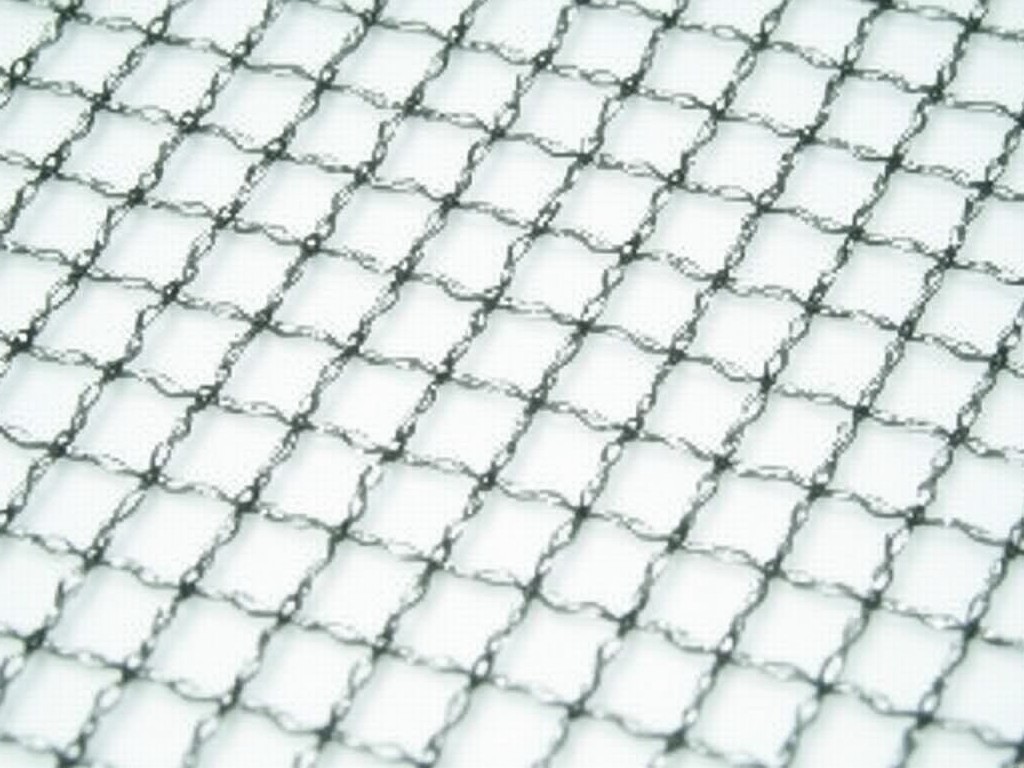
Welded Wire Mesh Cost Per Square Foot: Technical Factors and Pricing Structure
The cost of welded wire mesh per square foot is not a fixed value but results from specific engineering and manufacturing variables. Understanding these factors enables accurate budgeting and informed material selection for industrial applications.
Primary Cost Drivers in Welded Wire Mesh Production
Material selection constitutes the largest portion of welded wire mesh pricing. Low-carbon steel wire (typically SAE 1006–1010) is most common due to its weldability and cost efficiency, while stainless steel grades (304, 316) increase material costs by 40–100% depending on alloy composition and market fluctuations. Wire diameter directly affects both material usage and welding energy requirements; for example, increasing from 2.0 mm to 3.0 mm diameter raises material volume by approximately 125% per unit length.
Mesh geometry influences production efficiency. Square openings (e.g., 2×2 in, 4×4 in) allow simpler welding patterns than rectangular or offset configurations, reducing machine cycle time. Opening size inversely correlates with wire usage: smaller apertures require more wire per square foot, increasing material cost. A 1×1 in mesh uses roughly twice the wire of a 2×2 in mesh at the same wire diameter, significantly impacting price.
Manufacturing and Processing Considerations
Welding precision affects both quality and throughput. Automated resistance welding machines maintain consistent weld strength and spacing, but setup time for non-standard geometries adds fixed costs per production run. Custom sheet sizes or edge treatments (e.g., folded edges, wire fringes) require additional handling and may incur scrap from off-cut optimization.
Surface treatment adds cost based on environmental exposure needs. Bare steel mesh is least expensive but requires painting or coating in corrosive environments. Hot-dip galvanizing (per ASTM A123) typically adds $0.20–$0.40/ft², while powder coating ranges from $0.30–$0.60/ft² depending on color, thickness, and pretreatment. Stainless steel mesh often eliminates finishing costs but carries higher base material pricing.
Typical Price Ranges by Specification
| Specification | Typical Cost Range (USD/ft²) |
|---|---|
| Low-carbon steel, 2.0 mm wire, 4×4 in opening, bare | $0.30–$0.50 |
| Low-carbon steel, 2.5 mm wire, 2×2 in opening, bare | $0.50–$0.80 |
| Low-carbon steel, 2.0 mm wire, 4×4 in opening, hot-dip galvanized | $0.50–$0.70 |
| Stainless steel 304, 2.0 mm wire, 4×4 in opening | $0.80–$1.20 |
| Stainless steel 316, 2.5 mm wire, 2×2 in opening, electropolished | $1.50–$2.20 |
These ranges reflect standard production volumes. Economies of scale reduce per-unit cost for orders exceeding 5,000 ft², while prototyping or short runs may incur setup fees that elevate effective pricing. Transportation costs, influenced by mesh weight and panel dimensions, should be evaluated separately based on origin and destination logistics.
Application-Driven Specification Selection
Concrete reinforcement typically uses 6×6 in or 4×4 in openings with 4.0–5.5 mm wire in low-carbon steel, where cost efficiency and embedment performance outweigh corrosion resistance needs. In contrast, machine guarding requires tighter openings (e.g., 1×1 in or 2×2 in) with sufficient wire diameter to meet OSHA 1910.217 standards for point-of-operation protection, often favoring galvanized or stainless steel for longevity in industrial environments.
Security fencing applications prioritize climb resistance and cut resistance, commonly specifying 3.0 mm wire or larger with 2×2 in or smaller openings. Agricultural animal enclosures balance cost and durability, frequently using 2.0–2.5 mm wire with 4×4 in or 6×6 in openings and hot-dip galvanizing to resist soil moisture and livestock contact. Selecting mesh based on functional requirements prevents over-specification and unnecessary expense.
Quotation and Procurement Guidance
To obtain an accurate cost estimate, provide wire diameter, opening size, material grade, sheet dimensions, edge treatment, and required surface finish. Specify whether pricing is needed per square foot, per sheet, or per ton, and indicate delivery location for freight inclusion. Suppliers typically require this data to calculate material yield, welding time, and handling complexity accurately.
Requesting samples allows verification of weld consistency, flatness, and coating adhesion before large-volume orders. Discuss tolerances for dimensional stability and wire protrusion, especially when mesh is used in precision applications like conveyor belts or screen media. Clear communication of end-use conditions ensures the quoted solution aligns with performance expectations and total cost of ownership.
Product Categories


Send Inquiry
If you are interested in our products, leave your information here and we will be in touch shortly.