Vinyl Ranch Fence Price Per Foot
Understanding the cost of vinyl ranch fence per linear foot requires evaluating material composition, manufacturing processes, installation variables, and long-term lifecycle value. This page breaks
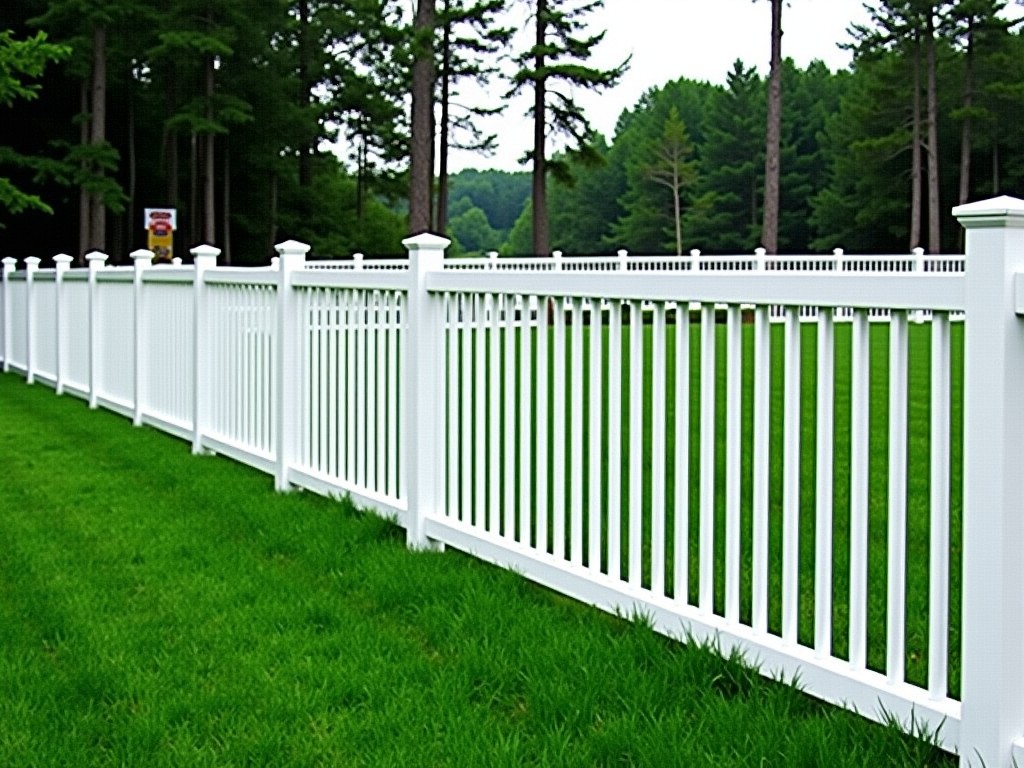
Vinyl Ranch Fence Price Per Foot
Understanding the cost of vinyl ranch fence per linear foot requires evaluating material composition, manufacturing processes, installation variables, and long-term lifecycle value. This page breaks down the technical and economic factors that influence pricing, helping procurement teams make informed decisions based on measurable performance rather than superficial comparisons.
Material Composition and Cost Drivers
Vinyl ranch fence pricing per foot is primarily determined by the PVC formulation used in extrusion. The base resin—typically virgin polyvinyl chloride—is compounded with titanium dioxide for UV stabilization, impact modifiers for low-temperature flexibility, and processing aids. Higher titanium dioxide content (typically 8–12 phr) increases material cost but significantly extends service life in direct sunlight by reducing chalking and embrittlement. Fillers like calcium carbonate may reduce resin cost but can compromise impact resistance if overused, making formulation balance a key cost-performance lever.
Profile Design and Manufacturing Complexity
Ranch fence profiles vary in rail dimensions, post geometry, and decorative elements, directly affecting extrusion complexity and material usage. A standard 2-rail ranch fence uses 5" x 1" rails and 5" x 5" posts, while 3-rail or contoured top designs increase linear material per foot by 15–30%. Hollow profiles reduce material weight and cost but require internal ribbing for rigidity, adding extrusion precision demands. Surface finish—smooth, textured, or wood-grain laminate—also influences cost, with laminated finishes adding 10–20% due to secondary processing steps.
Installation Variables Affecting Effective Cost
While material cost per foot is a baseline, total installed cost depends on labor, site preparation, and hardware. Post setting depth (typically 24–36 inches in concrete) varies with soil type and wind load requirements, affecting concrete volume and labor time. Pre-drilled rail pockets reduce field labor but increase manufacturing cost. Bracket systems—whether aluminum or stainless steel—add $0.50–$1.50 per foot in hardware. DIY-friendly designs with snap-together rails lower labor but may require more precise post alignment, increasing site-level skill demands.
Typical Price Ranges and Value Comparison
| Fence Type | Material Cost ($/ft) | Installed Cost ($/ft) | Expected Lifespan (Years) |
|---|---|---|---|
| 2-Rail Standard Ranch | $18–$22 | $28–$35 | 20–30 |
| 3-Rail Contoured Top | $22–$27 | $33–$42 | 20–30 |
| Wood-Grain Laminate Finish | $24–$30 | $36–$45 | 20–30 |
| High-Impact Modifier Formula | $20–$25 | $30–$38 | 25–35 |
Note: Installed cost assumes professional labor on level terrain with standard post spacing (8 ft). Regional labor rates, site access, and permit requirements can vary total installed cost by ±25%. Material pricing reflects bulk PVC resin costs as of Q1 2026 and excludes distributor markup.
Lifecycle Cost Advantage Over Alternatives
When evaluated over a 30-year horizon, vinyl ranch fence often demonstrates lower total cost of ownership than wood or metal alternatives despite higher initial material cost. Wood fences require repainting or staining every 3–5 years ($1.50–$2.50/ft per cycle) and face rot, insect damage, and warping. Steel or aluminum fences may need touch-up painting for scratch repair and are susceptible to corrosion in coastal or industrial environments. Vinyl’s non-porous surface eliminates painting needs, and its resistance to moisture, UV, and chemicals reduces long-term maintenance to occasional cleaning ($0.10–$0.20/ft/year). Over 30 years, maintenance savings can offset 40–60% of the initial cost differential versus wood.
Customization and Project-Specific Pricing
Final pricing per foot depends on project-specific variables that must be clarified for accurate quotation. These include: total linear footage (volume discounts apply above 500 ft), post spacing (6 ft vs. 8 ft changes material and labor), gate quantity and size, terrain slope (steep grades increase labor), and local code requirements (e.g., wind load ratings in coastal zones). Color options beyond standard white (tan, gray, black) may add 5–15% due to pigment stability testing and extrusion adjustments. Manufacturers typically provide itemized quotes breaking down material, hardware, and labor to ensure transparency.
For project-specific pricing, technical data sheets, or to discuss formulation options tailored to your site’s environmental conditions, contact our technical team to request a detailed quotation.

Product Categories


Send Inquiry
If you are interested in our products, leave your information here and we will be in touch shortly.