B2B Powder Coated Wire Mesh Panels
Powder coated wire mesh panels are engineered for industrial environments where corrosion resistance, mechanical strength, and surface durability are critical. The coating process applies a thermoset
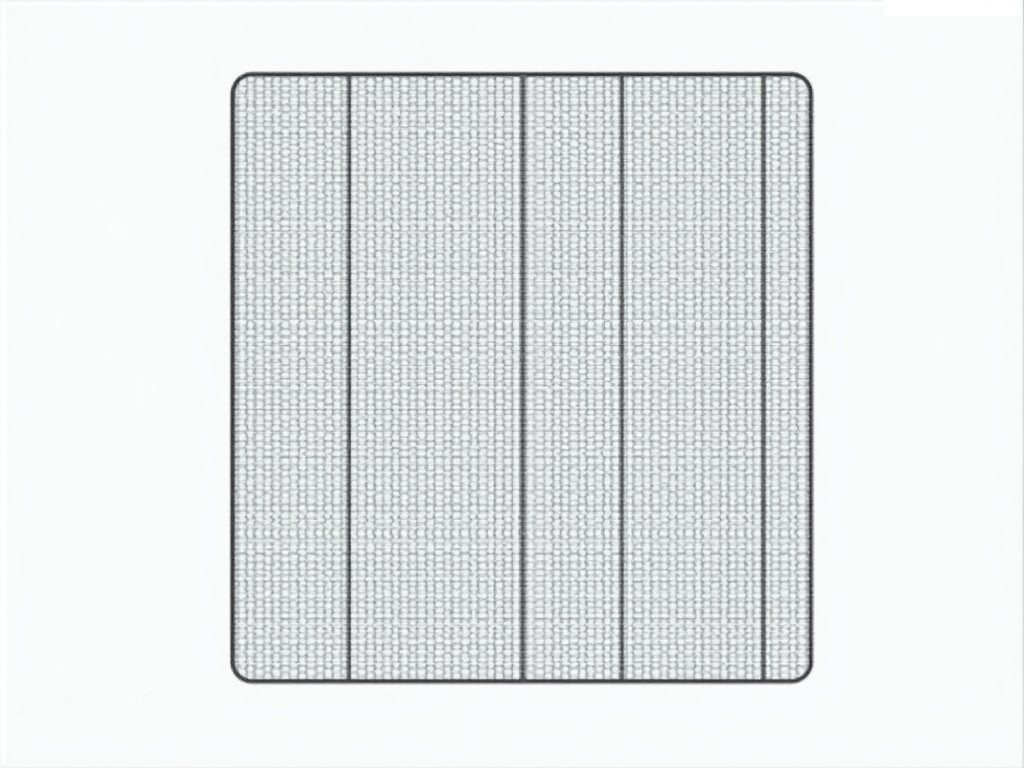
B2B Powder Coated Wire Mesh Panels
Powder coated wire mesh panels are engineered for industrial environments where corrosion resistance, mechanical strength, and surface durability are critical. The coating process applies a thermoset polymer powder electrostatically, then cures it at elevated temperatures to form a continuous, adherent film that seals the underlying steel substrate. This method eliminates common failure modes of liquid paint such as drips, thin spots, and solvent entrapment, resulting in uniform thickness and edge coverage essential for long-term performance in harsh conditions.
Material Selection and Substrate Preparation
The base material is typically low-carbon steel wire, chosen for its weldability and formability, with diameters ranging from 2.0 mm to 6.0 mm depending on load requirements. Before coating, panels undergo multi-stage pretreatment: alkaline degreasing to remove oils, acid pickling to eliminate mill scale, and zinc phosphate conversion coating to enhance adhesion and provide sacrificial corrosion protection. This pretreatment is non-negotiable for achieving the 500+ hour salt spray resistance (ASTM B117) required in outdoor or chemical-exposed installations.
Powder Coating Specifications
The coating uses epoxy-polyester hybrid powders, selected for their balance of UV stability, chemical resistance, and flexibility. Applied thickness averages 60–80 microns, measured via magnetic inductance gauges per ASTM D7091. Cure schedules follow supplier specifications—typically 180–200°C for 10–15 minutes—to ensure full cross-linking without embrittlement. Post-cure, coatings exhibit pencil hardness of 2H–3H and impact resistance exceeding 160 cm·kg (ASTM D2794), indicating suitability for handling and installation stresses.
Mechanical and Environmental Performance
Powder coating adds negligible weight (<50 g/m²) while significantly extending service life. In accelerated testing, coated panels show <5% loss in tensile strength after 1,000 hours of UV exposure (QUV-A), compared to 15–25% for uncoated steel. The coating remains flexible enough to withstand bending radii down to 2x wire diameter without cracking, a critical factor during on-site fabrication or retrofitting. Unlike galvanized coatings, powder coating does not produce zinc runoff, making it suitable for potable water proximity and food-grade adjacent zones when certified formulations are used.
Typical Dimensions and Tolerances
| Parameter | Typical Range | Tolerance |
|---|---|---|
| Panel Width | 500–2,400 mm | ±3 mm |
| Panel Height | 300–3,000 mm | ±3 mm |
| Wire Diameter | 2.0–6.0 mm | ±0.05 mm |
| Mesh Opening | 10×10–100×100 mm | ±2 mm |
| Coating Thickness | 60–80 µm | ±10 µm |
Customization Options
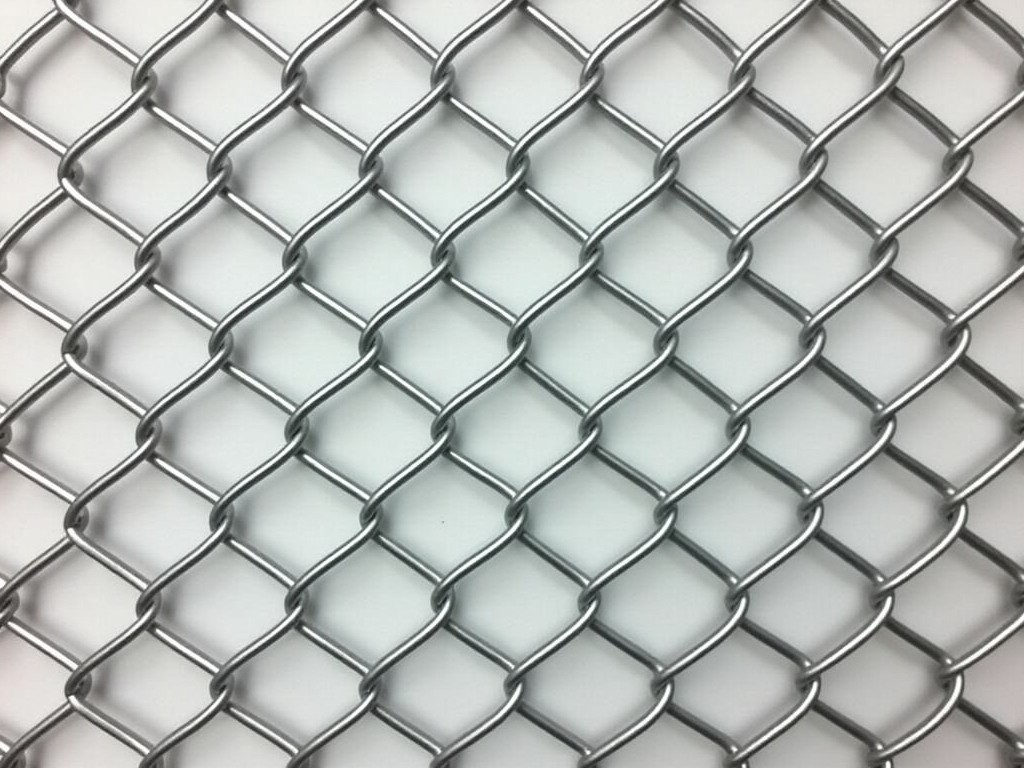
Panels are manufactured to order based on project-specific loading, environmental exposure, and interface requirements. Customization includes aperture geometry (square, rectangular, hexagonal), edge treatments (flanged, rolled, framed with angle), and mounting provisions (pre-drilled holes, weld tabs, or clip channels). Color selection follows RAL or Pantone standards, with matte, gloss, or textured finishes available to meet aesthetic or anti-glare needs. For high-abrasion zones, thicker coatings (up to 120 µm) or hybrid formulations with increased epoxy content can be specified.
Quality Control and Testing
Each production lot undergoes incoming wire inspection for diameter consistency and tensile strength, followed by in-process checks of coating thickness, adhesion (cross-hatch test per ASTM D3359), and continuity (holiday detection at 67.5V). Finished panels are subjected to bend testing to verify coating flexibility and visual inspection under 500 lux for defects such as pinholes, orange peel, or incomplete coverage. Documentation includes material certificates, coating batch records, and test reports available upon request.
Applications in Industrial Sectors
In mining and aggregate processing, these panels serve as screen media and guard systems where abrasion resistance and corrosion protection reduce downtime from premature failure. In wastewater treatment facilities, they are used in aeration tank covers and sludge dewatering enclosures, where the non-conductive, non-leaching coating prevents galvanic coupling with stainless steel components. For architectural infrastructure—such as parking garage facades or transit station barriers—the coating maintains appearance and structural integrity over decades, minimizing lifecycle maintenance costs compared to painted or galvanized alternatives.
Packaging and Logistics
Panels are stacked horizontally on pallets with polyethylene slip sheets between layers to prevent coating abrasion. Edge protectors and corner boards mitigate impact damage during forklift handling. For export, moisture-barrier wrap and desiccant packs are included to control humidity within shipping containers. Standard packaging supports 2,000–3,000 kg per pallet, with units secured via polyester strapping. Custom packaging—such as individual crating or vacuum-sealed wraps—is available for high-value or precision-tolerance orders.
Product Categories


Send Inquiry
If you are interested in our products, leave your information here and we will be in touch shortly.