B2B Non Galvanized Chicken Wire
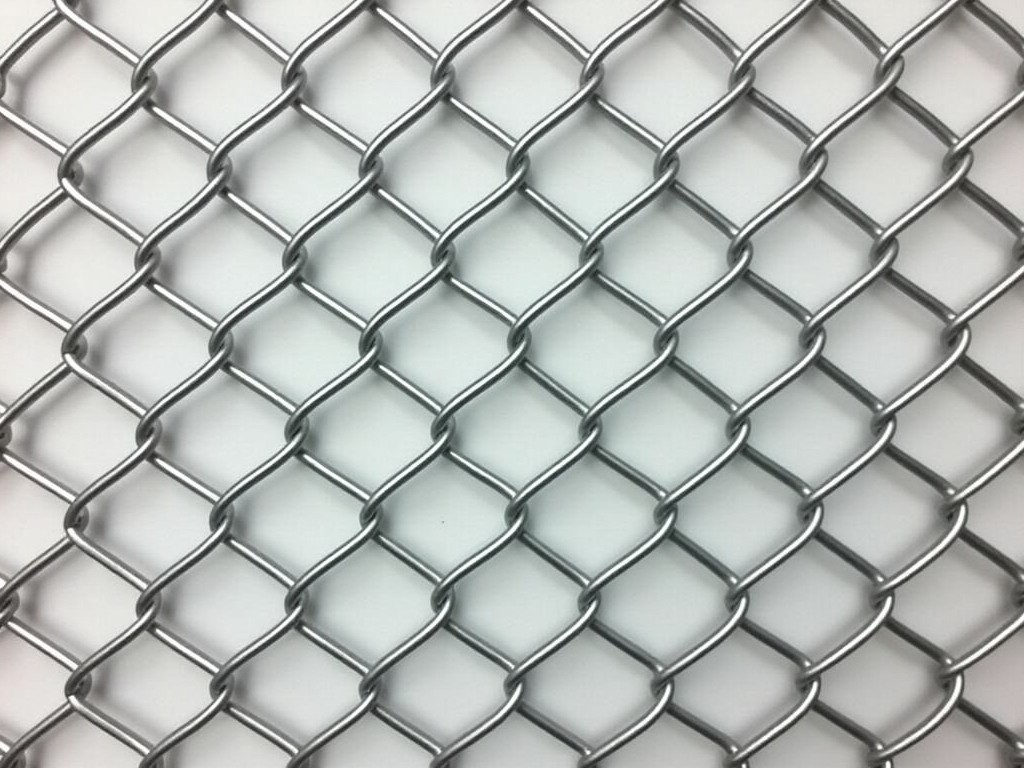
Non galvanized chicken wire is a plain steel wire mesh manufactured without zinc coating, designed for applications where corrosion resistance is not required or where subsequent coating processes
B2B Non Galvanized Chicken Wire
Non galvanized chicken wire is a plain steel wire mesh manufactured without zinc coating, designed for applications where corrosion resistance is not required or where subsequent coating processes will be applied. It offers base steel properties at a lower initial cost compared to galvanized alternatives, making it suitable for controlled environments or temporary installations.
Material Composition and Mechanical Properties
The wire is produced from low-carbon steel rod, typically conforming to ASTM A510 or equivalent specifications, with a carbon content ranging from 0.06% to 0.10% for optimal drawability and weldability. Tensile strength of the drawn wire falls between 350 MPa and 550 MPa, depending on the final diameter and drawing process. Elongation at break typically ranges from 10% to 20%, providing sufficient ductility for bending and forming during installation without cracking.
Wire diameters commonly available range from 0.8 mm to 2.0 mm, with 1.2 mm and 1.6 mm being standard for general-purpose mesh. The steel undergoes a drawing process to achieve precise diameter control, followed by weaving into a hexagonal pattern. No zinc or other metallic coating is applied, leaving the surface susceptible to oxidation in humid or outdoor conditions unless protected by paint, powder coating, or environmental controls.
Mesh Geometry and Dimensional Specifications
The hexagonal opening size is defined as the distance between parallel sides of the hexagon, not the diagonal. Standard opening sizes include 12.5 mm, 25 mm, and 50 mm, with custom sizes available upon request. The pitch (center-to-center distance between adjacent wires) determines the open area percentage, which influences airflow, light transmission, and material retention characteristics.
Roll widths are typically manufactured in 0.6 m, 0.9 m, 1.2 m, and 1.5 m increments, with lengths ranging from 10 m to 50 m per roll depending on wire diameter and opening size to maintain manageable roll weight. Edge finishes can be specified as twisted, barbed, or folded for safety and handling requirements. Dimensional tolerances adhere to commercial wire mesh standards, with opening size variation typically within ±5% and wire diameter within ±0.05 mm.
Typical Applications in Industrial and Agricultural Settings
In agricultural contexts, non galvanized chicken wire is frequently used for temporary fencing, plant support structures, and seedling protection where the installation duration is less than one growing season or where the mesh will be covered by soil, mulch, or vegetation that limits moisture exposure. Its lower cost makes it economical for large-area applications such as crop netting or trellising systems in controlled environments.
Industrial applications include concrete reinforcement for non-structural plaster or stucco work, where the mesh is embedded and protected from direct weather exposure. It serves as a cost-effective alternative to galvanized mesh in interior partitioning, ceiling tile support, and HVAC duct lining where fire safety ratings are met through the base steel properties and the mesh is encapsulated within fire-resistant materials.
The material is also used in manufacturing processes as a raw material for further fabrication, such as in the production of wire baskets, storage containers, or custom filters where subsequent welding, painting, or powder coating will provide the necessary surface protection. Its clean, uncoated surface promotes better adhesion for organic coatings and reduces contamination risks in sensitive assembly processes.
Comparison with Galvanized Alternatives
The primary distinction lies in surface treatment: non galvanized wire relies on the inherent properties of bare steel, while galvanized versions feature a zinc coating applied via hot-dip or electro-galvanizing to inhibit corrosion. For outdoor exposure, galvanized wire typically provides 5 to 15 years of service life before significant rusting, depending on coating thickness and environmental conditions, whereas non galvanized wire may show visible oxidation within weeks to months in humid climates.
Mechanical properties such as tensile strength and elongation remain largely unchanged between the two variants, as the zinc coating is thin (typically 10–50 µm) and does not significantly alter the bulk steel behavior. Cost differences arise from the additional galvanizing process, with non galvanized wire generally priced 15% to 30% lower per kilogram, making it advantageous when the total lifecycle cost includes post-application coating or when the service environment is dry and controlled.
Selection between the two should be based on environmental exposure, expected lifespan, and total cost of ownership. Non galvanized wire is not recommended for permanent outdoor structural use without additional protection, but it performs adequately in dry indoor settings, short-term outdoor use, or as a substrate for applied coatings where adhesion and cost efficiency are priorities.
Customization Options and Manufacturing Considerations
Wire diameter, opening size, roll width, and length can be adjusted to meet specific project requirements. Custom hexagonal patterns, including rectangular or square openings, are available upon request, though tooling changes may affect lead time and minimum order quantities. Surface preparation options such as degreasing or phosphating can be specified to improve adhesion for subsequent coatings.
Edge treatments include straight cut, twisted pair (for safety), or knuckled selvage to prevent unraveling and reduce handling hazards. Rolls can be interleaved with paper or plastic film to prevent surface abrasion during transit and storage. Packaging is typically in polyethylene-wrapped bundles secured with steel or plastic strapping, with labels indicating material grade, dimensions, and batch traceability.
Minimum order quantities vary based on wire diameter and opening size, commonly starting at 50 kg for standard configurations. Lead times range from 2 to 4 weeks for stock items and 4 to 8 weeks for custom specifications, depending on raw material availability and production scheduling. Samples are available upon request for evaluation, subject to standard handling fees.
Quality Control and Testing Protocols
Raw material inspection includes verification of steel grade, chemical composition, and mechanical properties through mill test certificates. In-process checks monitor wire diameter consistency, tensile strength, and elongation at break using calibrated tensile testers and micrometers. The weaving process is monitored for uniform opening size and wire tension to prevent defects such as skipping, doubling, or uneven mesh density.
Finished roll inspection involves visual assessment for surface defects, measurement of roll width and length, and verification of opening size using calibrated gauges. Samples are subjected to bend testing to ensure ductility and adhesion testing if coating is planned. All test results are documented and retained for traceability, with non-conforming materials segregated and addressed per corrective action procedures.
While non galvanized chicken wire is not typically subject to specific industry certifications due to its basic nature, manufacturing processes follow ISO 9001 quality management principles where applicable. Customers may request third-party inspection or material certification for critical applications, which can be arranged as part of the quotation process.
| Parameter | Typical Range | Notes |
|---|---|---|
| Wire Diameter | 0.8 mm – 2.0 mm | Custom diameters available upon request |
| Opening Size (Hex) | 12.5 mm – 50 mm | Distance between parallel sides |
| Tensile Strength | 350 MPa – 550 MPa | Dependent on wire diameter and temper |
| Elongation at Break | 10% – 20% | Measured on bare steel wire |
| Roll Width | 0.6 m – 1.5 m | Standard increments; custom widths possible |
| Roll Length | 10 m – 50 m | Inversely related to wire diameter and opening size |
| Surface Condition | Plain steel, no coating | Susceptible to oxidation; requires protection for outdoor use |
For engineers and procurement specialists evaluating mesh solutions for temporary, protected, or coated applications, non galvanized chicken wire provides a cost-effective base material with predictable mechanical behavior. Its lack of coating eliminates variables related to zinc adhesion or coating uniformity, simplifying surface preparation for downstream processes such as painting, powder coating, or polymer encapsulation.
To discuss your specific requirements for wire diameter, opening size, roll dimensions, or surface preparation, please provide your project specifications including environmental exposure, expected service life, and any planned post-processing steps. Our technical team will review your needs and provide a detailed quotation with lead times and minimum order quantities based on current production capacity.
Request Technical Quotation
Product Categories


Send Inquiry
If you are interested in our products, leave your information here and we will be in touch shortly.