B2B Thin Perforated Metal Sheet Price
Thin perforated metal sheets are precision-engineered components used in filtration, acoustic management, ventilation, and protective shielding across industrial applications. Pricing depends on
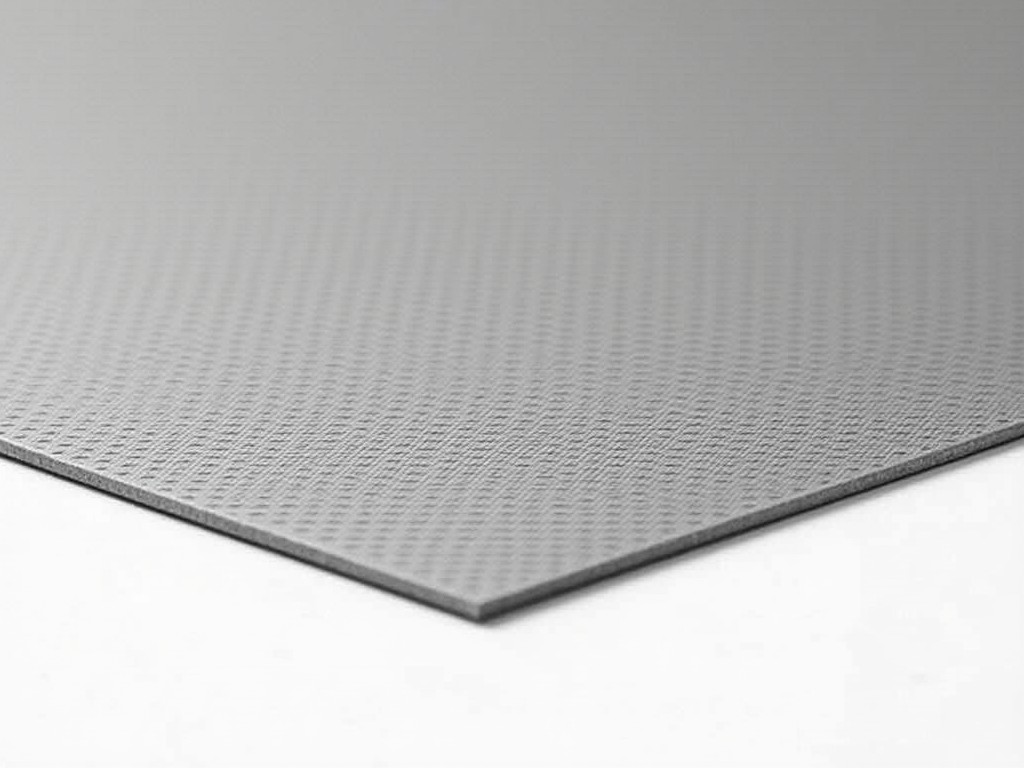
B2B Thin Perforated Metal Sheet Price
Thin perforated metal sheets are precision-engineered components used in filtration, acoustic management, ventilation, and protective shielding across industrial applications. Pricing depends on material type, thickness, hole geometry, open area percentage, surface finish, and order volume. Understanding these variables enables accurate cost estimation and supplier comparison.
Key Factors Influencing Price
Material selection significantly impacts cost. Common options include carbon steel (most economical), stainless steel grades 304 and 316 (higher corrosion resistance, premium pricing), aluminum (lightweight, moderate cost), and galvanized steel (balanced cost and durability). Thickness typically ranges from 0.3mm to 1.5mm for thin sheets; thinner gauges reduce material cost but may increase processing complexity for certain hole patterns.
Hole geometry and open area directly affect manufacturing time and tooling wear. Round, square, slot, and hexagonal patterns each require different punching or laser processes. Higher open area percentages (e.g., 40% vs 20%) increase material removal, raising scrap and machining time. Tolerances on hole diameter and positional accuracy further influence pricing, especially for precision filtration or flow control applications.
Typical Price Ranges by Material and Thickness
| Material | Thickness (mm) | Typical Price Range (USD/m²) | Notes |
|---|---|---|---|
| Carbon Steel (SPCC) | 0.5 | 8–15 | Standard round hole, 30% open area |
| Stainless Steel 304 | 0.5 | 20–35 | Food-grade, corrosion-resistant |
| Stainless Steel 316 | 0.5 | 28–45 | Marine and chemical environments |
| Aluminum 1050 | 0.5 | 12–22 | Lightweight, non-magnetic |
| Galvanized Steel | 0.5 | 10–18 | Zinc-coated for outdoor use |
Prices are indicative for standard sheet sizes (e.g., 1000×2000mm) with common hole patterns (Ø3mm, 6mm pitch, staggered). Custom thicknesses, intricate patterns, tight tolerances (<±0.05mm), or secondary operations (deburring, leveling, coating) increase unit cost. Volume discounts typically apply at 50+ sheets or equivalent annual commitment.
Cost Optimization Strategies
Engineers can reduce total cost by standardizing hole patterns across multiple product lines to maximize tooling utilization. Selecting material thickness based on actual load and deflection requirements — rather than over-specifying — avoids unnecessary material expense. For high-volume applications, progressive die stamping lowers per-unit cost compared to CNC punching or laser cutting, despite higher initial tooling investment.
Surface treatments such as powder coating, anodizing (for aluminum), or passivation (for stainless steel) add $2–8/m² but may extend service life and reduce maintenance. In corrosive environments, investing in higher-grade material upfront often lowers total cost of ownership versus frequent replacement of cheaper alternatives.
Requesting Accurate Quotations
To receive a precise B2B quotation, provide: material grade and thickness, sheet dimensions, hole shape and size, pattern layout (straight or staggered), open area percentage, edge condition (mill edge, deburred, rounded), required flatness tolerance, quantity, delivery timeline, and any post-processing needs (coating, bending, fabrication). Including a sketch or CAD file accelerates engineering review.
Suppliers may charge setup fees for first-time tooling or laser programming. These are often waived or amortized over larger orders. Always confirm whether pricing is EXW, FOB, or CIF, and verify if inspection reports (material certification, dimensional accuracy) are included or available at extra cost.
Next Step: Technical Inquiry
For project-specific pricing, lead times, or material certification details, contact our technical sales team. Provide your application requirements to receive a tailored quotation with engineering validation.
Request Technical Quotation
Product Categories


Send Inquiry
If you are interested in our products, leave your information here and we will be in touch shortly.