Buy Metal Mesh Filter Screen
Selecting the correct metal mesh filter screen requires understanding how aperture size, wire diameter, material grade, and weave pattern interact to achieve target filtration efficiency under
Metal Mesh Filter Screens: Technical Selection Guide
Selecting the correct metal mesh filter screen requires understanding how aperture size, wire diameter, material grade, and weave pattern interact to achieve target filtration efficiency under specific process conditions. Industrial applications demand precision—deviations in any of these parameters can compromise product purity, increase downtime, or damage downstream equipment. This guide explains the engineering factors that govern performance, enabling informed procurement decisions based on measurable characteristics rather than marketing claims.
Filtration Fundamentals: How Mesh Specifications Define Performance
The primary function of a metal mesh filter screen is to retain particles larger than its nominal aperture while allowing fluid or gas to pass with minimal pressure drop. Aperture size is determined by the combination of wire diameter and mesh count (wires per linear inch or centimeter). For example, a 100 mesh screen with 0.10mm wire diameter yields approximately 150μm apertures. Changing either variable alters both retention capability and flow resistance—finer wires increase open area but reduce mechanical strength, while thicker wires improve durability at the cost of higher pressure loss.
In high-flow applications such as coolant filtration in machining centers, engineers often prioritize open area percentage to minimize pump load. Conversely, in pharmaceutical powder sieving, retention accuracy at the micron level takes precedence, requiring tighter tolerances on both wire diameter and weave consistency. Understanding this trade-off is essential when specifying screens for continuous operation versus batch processing.
Material Selection: Matching Alloy to Process Environment
The alloy composition of the mesh directly affects corrosion resistance, temperature tolerance, and compatibility with process media. Stainless steel 304 is commonly used in general industrial water and air filtration due to its balanced chromium-nickel content and cost-effectiveness. For exposure to chlorides, acids, or elevated temperatures, 316L stainless steel offers superior pitting resistance from added molybdenum, while maintaining usability up to 870°F (465°C).
In high-temperature environments such as exhaust gas filtration or sintering furnaces, nickel alloys like Inconel 600 or Hastelloy X may be necessary to resist oxidation and creep above 1800°F (980°C). For non-metallic compatibility or where magnetic interference must be avoided, monel or titanium meshes are available, though at significantly higher cost. Material choice should always be validated against the specific chemical concentration, temperature range, and flow velocity of the application.
Weave Patterns and Their Impact on Flow Dynamics
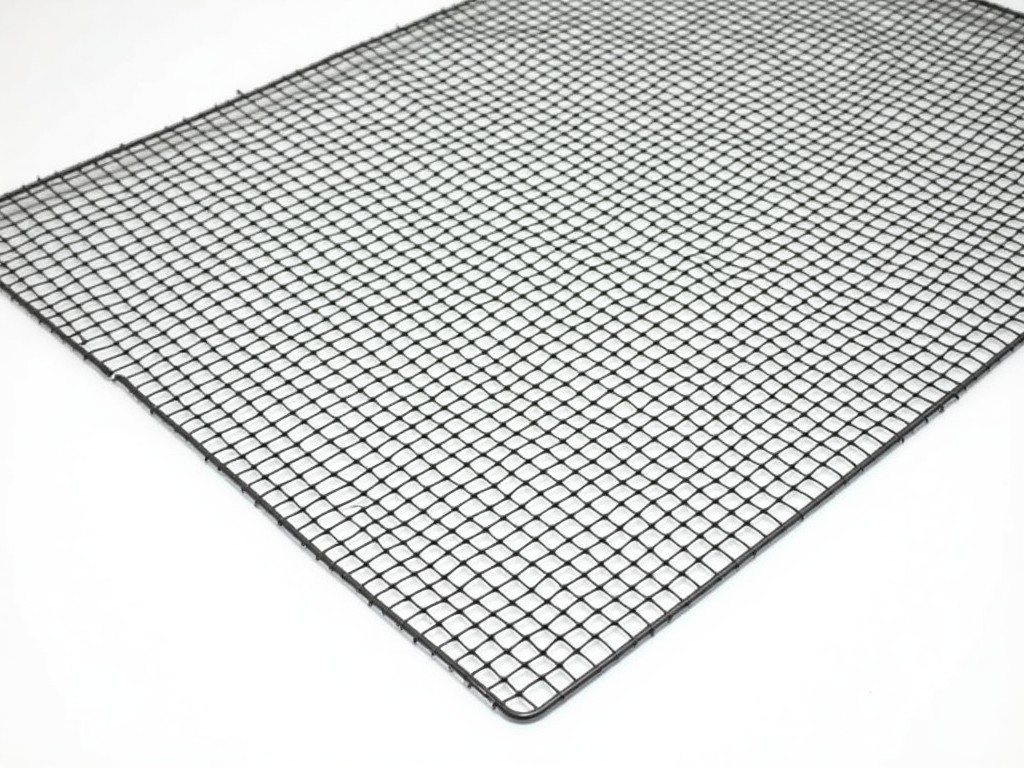
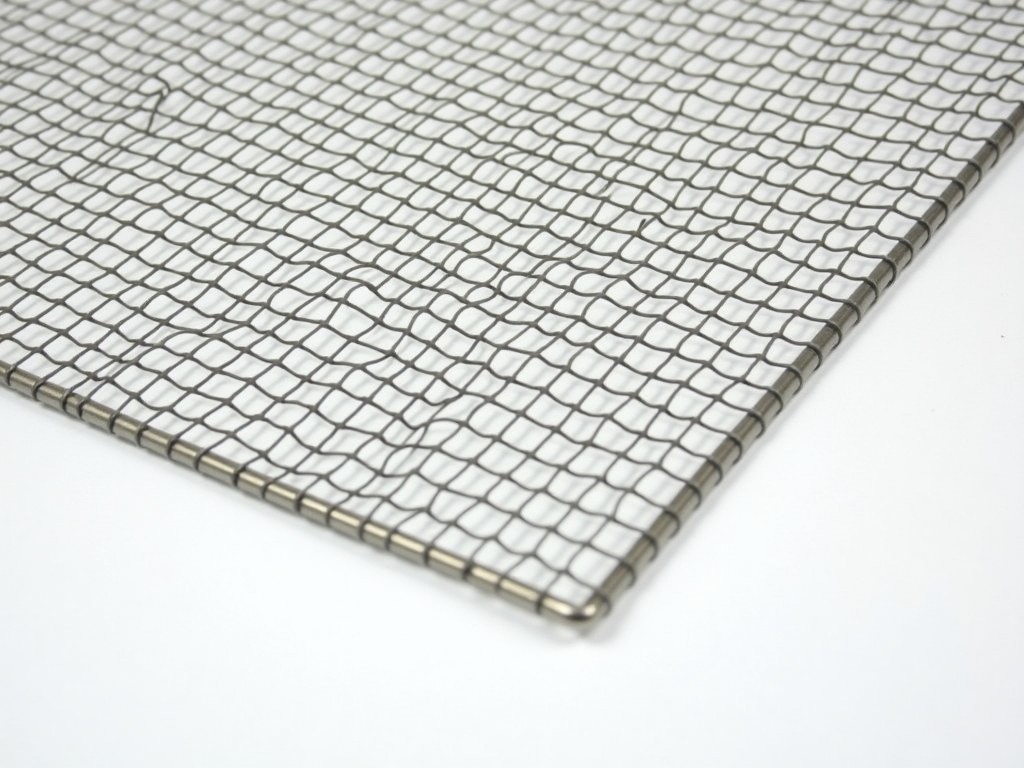
The arrangement of warp and weft wires determines not only mechanical stability but also flow characteristics and cleaning efficiency. Plain weave, where each wire alternates over and under adjacent wires, provides uniform aperture distribution and is suitable for most general filtration tasks. Twill weave, in which wires pass over two then under two, creates a smoother surface with higher open area and better resistance to blinding—ideal for viscous fluids or sticky particulates.
Dutch weave, featuring finer warp wires and heavier weft wires, achieves exceptional retention ratings despite a coarser mesh count, making it effective for gel removal or catalyst recovery. Reverse Dutch weave inverts this structure for high-flow, low-pressure-drop scenarios. Each pattern influences how particles accumulate on the surface versus within the depth of the mesh, affecting backwash efficiency and service life.
Customization Options for Industrial Integration
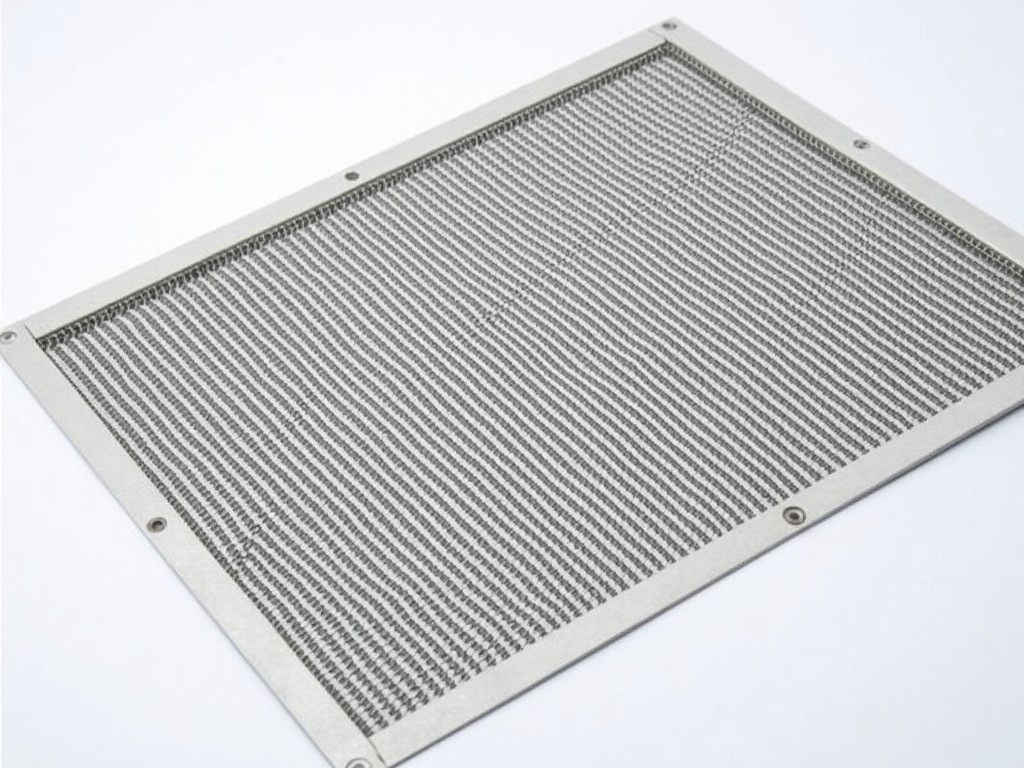
Off-the-shelf rolls or panels rarely match exact equipment dimensions or mounting requirements. Industrial buyers typically specify custom fabrication to ensure seamless integration. Common modifications include precision cutting to length and width, edge finishing (hemmed, fringed, or welded), and the addition of mounting features such as grommets, reinforced borders, or flange adapters.
For cylindrical applications like cartridge filters or rotary drums, seamless welding or overlap bonding creates leak-proof joints without compromising structural integrity. Framing options—stainless steel, aluminum, or PVC—provide rigidity for drop-in housings or snap-in designs. All customizations should be defined using CAD drawings or detailed sketches to avoid tolerance stack-up during assembly.
Quality Assurance: Verification Methods That Matter
Reliability begins with traceable raw material certification. Reputable suppliers provide mill test reports (MTRs) confirming alloy composition, tensile strength, and elongation properties for every batch of wire used. Post-weaving, mesh dimensions are verified using optical comparators or laser scanning systems to ensure aperture uniformity across the entire sheet—variations exceeding ±5% can lead to inconsistent filtration performance.
Additional tests may include bubble point testing to determine the largest open pore, air permeability measurements for pressure drop prediction, and tensile strength validation of seams or welds. For critical applications such as medical device manufacturing or semiconductor processing, suppliers may offer lot-specific inspection reports or comply with ISO 13485 or AS9100 quality systems. Always request documentation that aligns with your industry’s compliance requirements.
Typical Specifications by Application
| Application | Typical Mesh Range | Common Materials | Key Considerations |
|---|---|---|---|
| Coolant Filtration (Machining) | 80–200 mesh | 304 SS | High open area, resistance to swarf embedment |
| Pharmaceutical Powder Sieving | 200–500 mesh | 316L SS | Precise aperture control, electropolished finish |
| Food Processing (Straining) | 40–150 mesh | 304 or 316L SS | Food-grade compliance, easy cleanability |
| Chemical Catalyst Recovery | 100–300 mesh (Dutch weave) | 316L SS, Hastelloy | Fine particle retention, chemical resistance |
| Exhaust Gas Filtration | 20–80 mesh | Inconel 600, 310 SS | High-temperature oxidation resistance |
Values shown are typical ranges; actual specifications are customizable according to project requirements.
Ordering Information and Technical Support
To receive an accurate quotation, provide the following details: required dimensions (length × width or diameter), mesh specification (e.g., 200 mesh, 0.08mm wire), material grade, weave pattern, edge treatment, and any framing or mounting needs. Indicate the operating conditions—maximum temperature, pressure differential, pH range, and media type—to allow validation of material suitability.
Samples are available upon request for validation in your specific process. Lead times vary based on material availability and customization complexity, typically ranging from 2 to 4 weeks for standard alloys. For technical assistance with specification selection, contact our engineering team via the inquiry form linked below.
Product Categories


Send Inquiry
If you are interested in our products, leave your information here and we will be in touch shortly.