Buy Metal Mesh Wall Panels
Metal mesh wall panels are engineered architectural and industrial components designed for functional and aesthetic applications in commercial, industrial, and institutional environments. Constructed
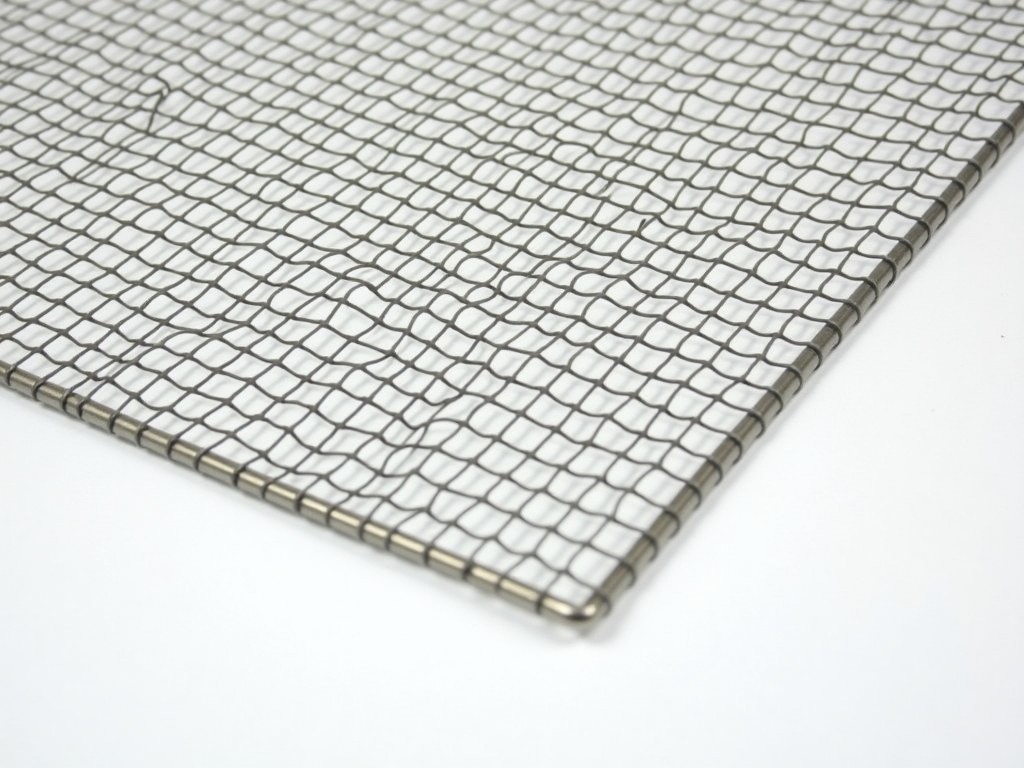
Metal Mesh Wall Panels
Metal mesh wall panels are engineered architectural and industrial components designed for functional and aesthetic applications in commercial, industrial, and institutional environments. Constructed from woven, welded, or expanded metal sheets, these panels provide structural reinforcement, ventilation, light diffusion, security, and acoustic modulation while maintaining visual openness. Their performance is defined by material composition, aperture geometry, wire diameter, panel dimensions, and surface treatment—each parameter selected based on load requirements, environmental exposure, and design intent.
Material Selection and Mechanical Properties
Common base materials include carbon steel, stainless steel (grades 304 and 316), aluminum (alloys 3003 and 5052), and galvanized steel, each selected for specific corrosion resistance, strength-to-weight ratios, and fabrication compatibility. Carbon steel offers high tensile strength (typically 400–550 MPa) but requires protective coating in humid or corrosive environments. Stainless steel 316 provides superior resistance to chlorides and industrial atmospheres, making it suitable for food processing, marine, and chemical facilities. Aluminum alloys deliver lightweight properties (density ~2.7 g/cm³) with adequate strength for non-load-bearing partitions and ceiling systems, while galvanized steel provides cost-effective barrier protection against rust in indoor industrial settings.
Wire diameter directly influences panel rigidity and open area percentage. Typical diameters range from 0.8 mm for lightweight decorative screens to 3.0 mm for high-security or impact-resistant barriers. Open area—the percentage of void space relative to total panel surface—is calculated from aperture size and wire thickness and affects airflow, light transmission, and acoustic performance. For example, a 10 mm square aperture with 1.5 mm wire yields approximately 56% open area, while a 5 mm aperture with 2.0 mm wire reduces open area to ~36%. Designers balance these values based on HVAC requirements, visibility needs, and structural demands.
Panel Configurations and Fabrication Methods
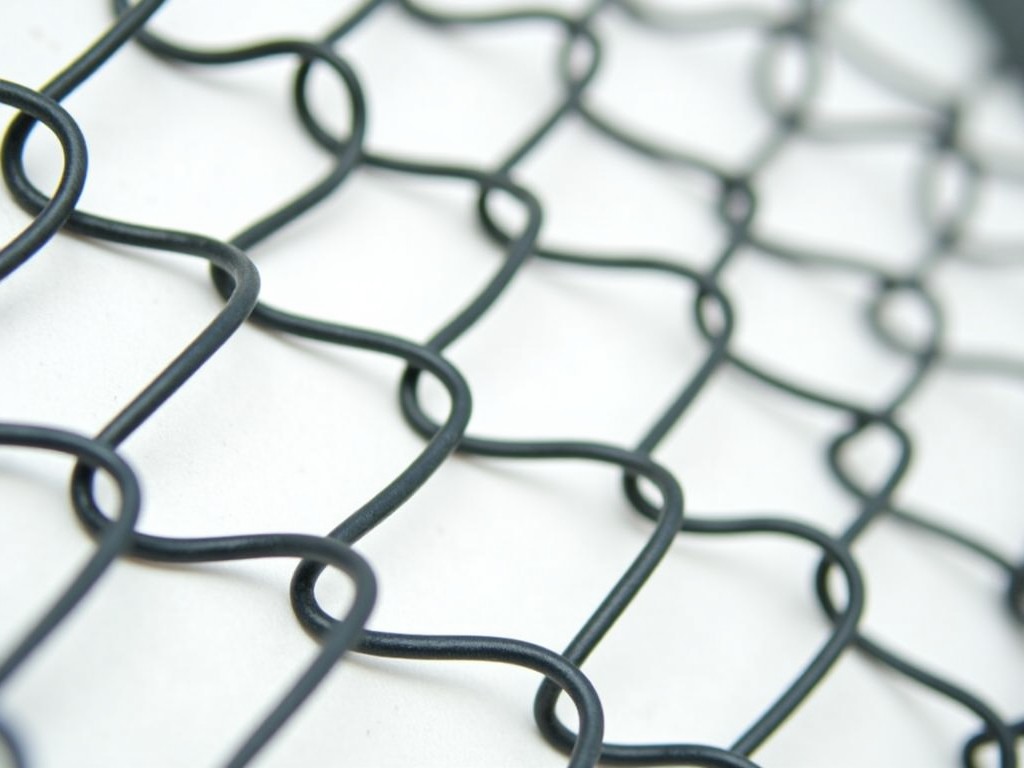
Metal mesh panels are produced via three primary methods: woven mesh, welded mesh, and expanded metal. Woven mesh is created by interlacing wires in a crisscross pattern, offering flexibility and fine aperture control—common in filtration and architectural screens. Welded mesh features perpendicular wires fused at intersections, providing high dimensional stability and load distribution, ideal for machine guards, concrete reinforcement, and security enclosures. Expanded metal is manufactured by slit-and-stretch processing of a solid metal sheet, creating a diamond-patterned opening with inherent strength and no loose ends, frequently used in walkways, platforms, and protective shielding where tripping hazards must be eliminated.
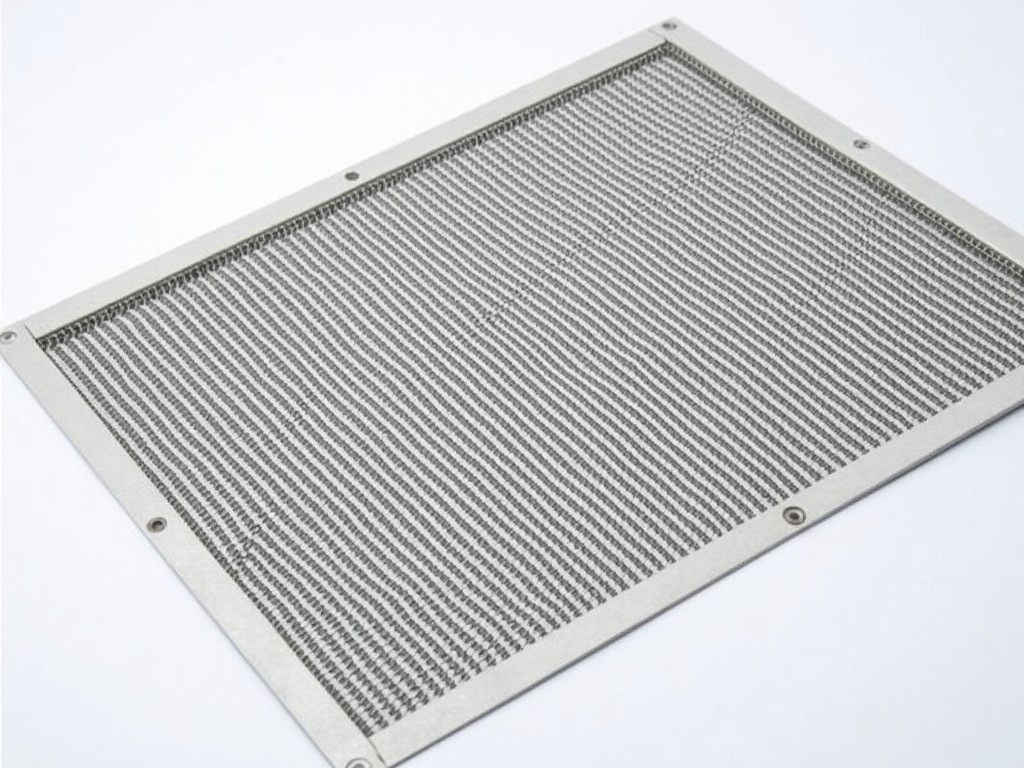
Panel dimensions are customized to project specifications, with standard widths ranging from 600 mm to 1200 mm and lengths up to 3000 mm, limited by material handling and transportation logistics. Thickness varies based on mesh type and wire size, typically between 1.5 mm and 6.0 mm for welded and expanded configurations. Edge treatments include folded flanges, welded frames, or adhesive-backed strips for seamless integration into wall systems, ceiling grids, or modular partitions. Mounting mechanisms—such as Z-clips, friction pins, or channel rails—are selected based on load, accessibility for maintenance, and substrate type (e.g., steel studs, concrete, or aluminum framing).
Performance Characteristics and Functional Benefits
Metal mesh panels contribute to environmental control by facilitating air circulation in HVAC plenums, equipment rooms, and industrial drying zones, reducing stagnation and condensation buildup. Their open geometry allows for unobstructed sightlines in surveillance areas, control rooms, and manufacturing floors while still providing a physical barrier against debris, tools, or unauthorized access. In acoustic applications, perforated or meshed panels backed with absorptive material (e.g., mineral wool or foam) act as resonant absorbers, mid- to high-frequency dampeners in auditoriums, studios, and open-plan offices when designed with specific cavity depths and backing densities.
Fire performance is a critical consideration in commercial installations. Steel and aluminum panels are non-combustible (Class A per ASTM E84), though surface coatings or backing materials may influence flame spread and smoke development ratings. Panels used in egress paths or fire-rated assemblies must comply with local building codes (e.g., IBC, NFPA 101) and may require certification as part of a tested wall or ceiling system. Surface treatments such as powder coating, anodizing (for aluminum), or passivation (for stainless steel) enhance durability, UV resistance, and aesthetic consistency while maintaining base material properties.
Applications Across Industrial and Commercial Sectors
In manufacturing facilities, metal mesh panels are installed as machine guarding around rotating equipment, conveyors, and robotic cells, meeting OSHA 1910.212 and ISO 14120 requirements for point-of-operation protection while allowing visibility for monitoring and maintenance. Their rigidity prevents deflection under impact, and open area ensures adequate cooling for motors and drives. In food and beverage processing, 316 stainless steel panels with smooth, crevice-free finishes are used in washdown zones, preventing bacterial harborage and withstanding frequent cleaning with caustic agents and high-pressure steam.
Architectural applications include interior partitions in corporate lobbies, hotel atriums, and healthcare facilities where visual connectivity is desired without compromising spatial definition. Panels with decorative weaves, custom patterns, or backlit LED integration serve as focal points while managing sound reflection and light diffusion. Exterior installations—such as solar shading screens, facade cladding, or windbreaks—utilize corrosion-resistant alloys and UV-stable finishes to withstand thermal cycling, precipitation, and pollutant exposure over 20+ year service lives. Transportation infrastructure (e.g., train stations, airport terminals) employs mesh panels for fall protection, glare reduction, and vandal-resistant screening in high-traffic zones.
Quality Control and Manufacturing Considerations
Dimensional accuracy is verified during production using laser measurement systems or coordinate measuring machines (CMMs) to ensure aperture consistency, wire alignment, and flatness within tolerances of ±0.5 mm for standard panels and ±0.2 mm for precision applications. Tensile testing of wire samples confirms compliance with material specifications (e.g., ASTM A510 for steel wire, ASTM B221 for aluminum extrusion). Weld integrity in welded mesh is assessed via visual inspection and bend testing to detect incomplete fusion or brittleness, particularly in galvanized or coated wires where coating adhesion must be preserved.
Surface coating thickness and adhesion are evaluated per ASTM D1186 (for powder coating) or ASTM B499 (for galvanization), with typical zinc coatings ranging from 60 to 120 μm for indoor use and exceeding 180 μm for outdoor or marine environments. Powder coating is applied electrostatically and cured at 180–200°C to achieve uniform film thickness (60–100 μm) with hardness exceeding
Technical Specification Table
| Parameter | Typical Range / Options | Notes |
|---|---|---|
| Base Material | Carbon Steel, Stainless Steel 304/316, Aluminum 3003/5052, Galvanized Steel | Selection based on corrosion environment and strength requirements |
| Wire Diameter | 0.8 mm – 3.0 mm | Affects rigidity, open area, and load capacity |
| Aperture Size | 3 mm – 50 mm (square, rectangular, diamond) | Determines open area, visibility, and airflow |
| Open Area Percentage | 20% – 70% | Calculated from aperture and wire dimensions |
| Panel Width | 600 mm – 1200 mm | Custom lengths up to 3000 mm available |
| Panel Thickness | 1.5 mm – 6.0 mm | Dependent on mesh type and wire size |
| Surface Finish | Mill Finish, Powder Coat, Anodized (Al), Passivated (SS) | Impacts durability, appearance, and maintenance |
| Edge Treatment | Flanged, Framed, Hemmed, Unfinished | Selected for mounting method and safety |
| Mounting System | Z-Clips, Channel Rails, Friction Pins, Adhesive Strips | Determined by load, accessibility, and substrate |
| Fire Rating | Non-Combustible (Class A) | Base materials only; coatings/backings may affect assembly rating |
Customization and Procurement Information
Metal mesh wall panels are manufactured to order based on project-specific parameters including material grade, aperture geometry, wire diameter, panel dimensions, edge finish, and surface treatment. Customers seeking quotations should provide detailed specifications such as required open area, load conditions (e.g., wind pressure, impact resistance), environmental exposure (indoor/outdoor, chemical, humidity), and integration method with adjacent structures. For architectural applications, visual samples or digital renderings of pattern and finish are available upon request to validate aesthetic compatibility with interior design schemes.
Lead times typically range from 3 to 6 weeks for standard materials and configurations, extending to 8–10 weeks for exotic alloys, custom tooling, or large-format panels requiring specialized fabrication. Packaging methods include corrugated cardboard edge protectors, stretch film wrapping, and palletizing with moisture barriers for overseas shipments. All panels undergo final inspection for dimensional accuracy, surface defects, and packaging integrity prior to shipment. To initiate a quotation or request technical support, please contact our engineering team via the inquiry form linked below.
Product Categories


Send Inquiry
If you are interested in our products, leave your information here and we will be in touch shortly.