China Mesh For Concrete Slab Suppliers
Reinforcement mesh is a critical component in concrete slab construction, providing tensile strength to counteract cracking under load, shrinkage, and thermal movement. Suppliers based in China
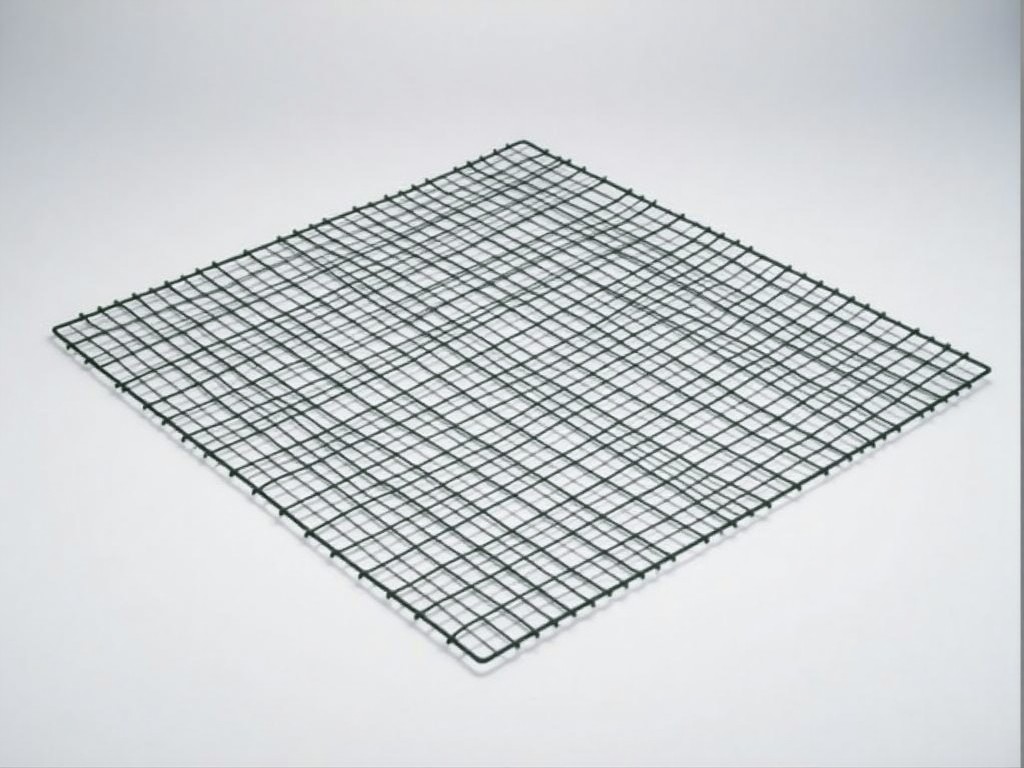
China Mesh for Concrete Slab Suppliers
Reinforcement mesh is a critical component in concrete slab construction, providing tensile strength to counteract cracking under load, shrinkage, and thermal movement. Suppliers based in China manufacture welded wire mesh and deformed bar mesh in various configurations to meet international project specifications, including ASTM A185, BS 4483, and EN 14889 standards. Selecting the appropriate mesh type depends on slab thickness, expected loads, exposure conditions, and local building codes, making technical compatibility a primary consideration during procurement.
Welded wire mesh consists of longitudinal and transverse wires joined at intersections by electric resistance welding, forming a grid with uniform opening sizes. Deformed bar mesh uses ribbed reinforcement bars for enhanced bond with concrete, typically employed in structural slabs requiring higher load capacity. Both types are produced in flat sheets or rolls, with dimensions customized to match formwork layouts and minimize cutting waste on-site. Surface treatments such as galvanizing or epoxy coating are available for corrosion resistance in humid or chemically aggressive environments.
Mesh specifications are defined by wire diameter, spacing, and overall sheet dimensions. Common wire sizes range from 2mm to 12mm diameter, with spacing typically between 50mm and 200mm center-to-center. Sheet widths commonly available are 2m, 2.4m, and 3m, while lengths can extend up to 6m for ease of handling. Overlap requirements at joints, usually 150mm to 300mm depending on design, must be factored into material take-offs to ensure structural continuity.
Technical Specifications and Material Options
Material selection directly influences the performance and longevity of the reinforcement system. Low-carbon steel wire (typically SAE 1006–1010) is standard for welded mesh due to its weldability and ductility, while high-tensile steel may be used for deformed bar mesh in seismic zones. Chemical composition limits—such as carbon content below 0.10% and phosphorus under 0.04%—help ensure consistent mechanical properties and weld quality.
Mechanical properties are verified through tensile testing, yield strength measurement, and bend tests. Typical tensile strength for standard wire ranges from 350 to 500 MPa, with yield strength between 250 and 350 MPa. Elongation at fracture generally exceeds 10%, indicating sufficient ductility to absorb stress without brittle failure. These values are subject to wire diameter and drawing process, with smaller diameters often showing higher strength due to work hardening.
Corrosion protection methods vary based on service environment. Hot-dip galvanizing applies a zinc coating typically between 50 and 100 microns thick, offering barrier and sacrificial protection. Epoxy coating provides a thicker, impermeable layer (150–300 microns) suitable for marine structures or chemical plants. Uncoated mesh may be acceptable for dry, interior slabs where concrete cover exceeds 25mm and chloride exposure is negligible.
Applications in Concrete Slab Construction
In ground-supported slabs, such as industrial floors or warehouse foundations, mesh controls shrinkage cracking and distributes point loads from racking or machinery. The reinforcement is positioned within the upper third of the slab thickness to resist tensile stresses caused by subgrade settlement or temperature differentials. Proper chair support ensures consistent concrete cover, preventing corrosion initiation at the surface.
For suspended slabs in multi-story buildings or parking structures, mesh works in conjunction with main reinforcement bars to handle secondary moments and temperature-induced stresses. In post-tensioned slabs, lighter mesh may be used to control cracking between tendons, while in conventionally reinforced slabs, it contributes to crack width control as defined by serviceability limit states. Mesh placement accuracy is critical here, as deviations can affect deflection and cracking behavior.
Pavements and airport aprons utilize heavier mesh configurations to withstand dynamic loads from traffic and thermal expansion/contraction. The open grid allows for aggregate interlock and reduces reflective cracking at joints. In toppings and overlays, thinner mesh helps bond the new layer to the existing substrate while minimizing delamination risk. Each application demands specific lap lengths, edge clearances, and support spacing to maintain structural integrity.
Customization and Manufacturing Considerations
Suppliers adjust mesh geometry based on structural drawings, including custom panel sizes, bent edges, or irregular shapes to accommodate penetrations for pipes or columns. Edge trimming and bending are performed using CNC-guided equipment to maintain dimensional accuracy within ±5mm. Custom configurations reduce field labor and minimize scrap, improving overall project efficiency.
Wire feeding and welding parameters are calibrated for each product run to ensure consistent weld strength and minimize burn-through or weak joints. Automatic tensioning systems maintain uniform spacing during production, preventing sagging or over-tightening that could distort the grid. Post-weld straightening removes residual stresses that might cause deformation during handling or placement.
Quality control involves dimensional checks, weld shear testing, and coating thickness verification. Sampling protocols follow ISO 9001 principles, with batch testing for tensile strength and bend capability. Visual inspection ensures wires are clean, free of rust, and properly aligned before bundling. Traceability is maintained through heat numbers and production codes linked to material certificates.
| Parameter | Typical Range | Notes |
|---|---|---|
| Wire Diameter | 2mm – 12mm | Smaller diameters for slabs <150mm thick |
| Spacing (C/C) | 50mm – 200mm | Closer spacing for higher crack control |
| Sheet Width | 2.0m, 2.4m, 3.0m | Custom widths available upon request |
| Sheet Length | Up to 6.0m | Longer lengths require special handling |
| Tensile Strength | 350 – 500 MPa | Depends on wire grade and diameter |
| Zinc Coating (Galvanized) | 50 – 100 µm | Hot-dip process; heavier coatings available |
Quality Assurance and Testing Protocols
Manufacturing consistency is verified through mechanical and chemical testing at multiple stages. Incoming wire undergoes spectrographic analysis to confirm carbon, manganese, and sulfur levels within specified limits. Tensile samples are drawn from each coil before welding to establish baseline properties. Post-weld, shear tests on sample intersections validate joint strength, typically requiring values exceeding 80% of the parent wire’s tensile capacity.
Dimensional accuracy is checked using laser gauges or calibrated templates, measuring wire spacing, squareness, and flatness. Deviations beyond ±3mm per meter may indicate welding distortion or tensioning issues. Coating adhesion is assessed via bend tests and salt spray exposure (per ASTM B117) for galvanized or epoxy-coated products, with acceptable performance defined as no red rust after 500 hours.
Final inspection includes bundle labeling, certificate generation, and packaging integrity checks. Each bundle receives a unique identifier linking to mill test reports (MTRs) that detail heat number, mechanical properties, coating weight, and dimensions. Packaging uses UV-stabilized polyethylene film or steel strapping to protect against moisture and mechanical damage during transit and storage.
Supply Chain and Export Logistics
Export-ready packaging is essential for maintaining product quality during long-distance shipping. Mesh bundles are stacked on fumigated wooden pallets or plastic skids, secured with corner guards and stretch film to prevent shifting. For bulk orders, containers may be loaded with vertical or horizontal stacking depending on bundle length and weight distribution. Desiccant packs are often included to mitigate condensation in tropical climates.
Lead times vary based on customization level and current production load. Standard specifications typically ship within 2–3 weeks after order confirmation, while custom sizes, coatings, or special packaging may extend timelines to 4–6 weeks. Suppliers usually provide production schedules and inspection hold points upon request, allowing buyers to coordinate third-party verification if needed.
Documentation includes commercial invoice, packing list, certificate of origin, and material test reports. For regulated markets, additional documentation such as CE marking (where applicable), REACH compliance, or ISO 9001 certification copies may be required. Clear communication of destination port, consignee details, and import regulations helps avoid customs delays.
Product Categories


Send Inquiry
If you are interested in our products, leave your information here and we will be in touch shortly.