China Steel Window Security Screens
Security screens for steel windows are engineered to provide physical intrusion resistance while maintaining airflow, visibility, and compliance with building safety standards. Unlike standard insect
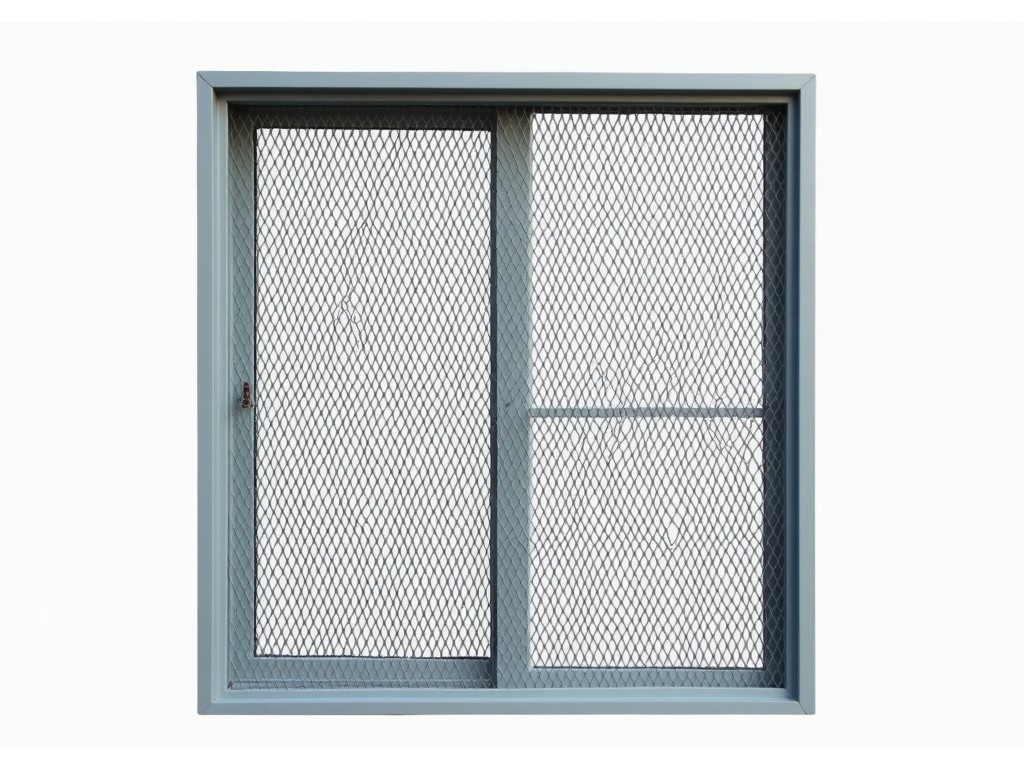
China Steel Window Security Screens
Security screens for steel windows are engineered to provide physical intrusion resistance while maintaining airflow, visibility, and compliance with building safety standards. Unlike standard insect screens, these systems integrate reinforced framing, high-tensile mesh, and secure anchoring mechanisms to deter forced entry. They are commonly specified in commercial, industrial, and high-security residential applications where both protection and ventilation are required.
The effectiveness of a steel window security screen depends on material selection, mesh aperture, wire diameter, frame integration, and fastening method. Buyers should evaluate these factors against local crime risk assessments, insurance requirements, and architectural constraints. This page outlines the technical considerations that influence performance, durability, and suitability for specific installations.
Core Technical Specifications
Frame materials typically consist of extruded aluminum alloy (6063-T5) or galvanized steel (SGCC), selected based on corrosion exposure and structural load requirements. Aluminum frames offer lighter weight and inherent corrosion resistance, while galvanized steel provides higher impact strength at a lower cost. Frame thickness ranges from 1.2mm to 2.0mm, with reinforcement ribs at corners and mid-span to resist racking under load.
Mesh is fabricated from stainless steel wire (grades 304 or 316) or high-tensile galvanized steel, woven in a tight weave pattern. Standard aperture sizes range from 1.2mm x 1.2mm to 3.0mm x 3.0mm, with wire diameters from 0.5mm to 0.8mm. Smaller apertures increase cut resistance but reduce airflow; larger apertures improve ventilation at the expense of climb resistance. Mesh tensile strength typically exceeds 1,200 MPa for stainless steel variants.
Attachment methods include mechanical fasteners (stainless steel screws or rivets), adhesive bonding (structural silicone or polyurethane), or integrated snap-in channels. Fastener spacing is critical—typically 150mm to 75mm intervals are standard to prevent peel failure under dynamic load. All interfaces must accommodate thermal expansion differentials between frame and substrate to avoid stress cracking over time.
Performance Characteristics and Testing Standards
Security screens are evaluated against recognized standards such as AS 5039 (Australia/New Zealand), EN 1627 (Europe), or ASTM F3038 (United States). These tests assess resistance to manual attack using common tools (screwdrivers, pliers, crowbars) over timed intervals. Performance is classified by resistance duration—e.g., RC2 (3 minutes), RC3 (5 minutes)—indicating the time a determined intruder would need to breach the screen.
Beyond intrusion resistance, screens must maintain functionality under environmental stress. Accelerated weathering tests (UV exposure, salt spray, humidity cycling) validate coating adhesion and corrosion resistance. Impact resistance is measured via drop-weight tests (e.g., 5kg mass from 1m height) to simulate vandalism or accidental collision. Airflow reduction is quantified as a percentage of open area relative to the bare window opening.
Visibility is assessed through light transmission and mesh opacity metrics. High-performance screens achieve >70% open area, preserving daylight and outward view while limiting climb footholds. Manufacturers provide test reports upon request; buyers should verify that testing was conducted on full assembly samples, not isolated components.
Design Integration and Customization Options
Security screens are rarely installed as standalone units; they must interface with the window frame, mullions, and surrounding structure. Custom fabrication ensures precise fit within rebates, glazing beads, or surface-mounted profiles. Misalignment creates gaps that compromise security and accelerate wear. Templates or site measurements are required for non-standard geometries such as arched, circular, or sloped windows.
Surface treatments include powder coating (standard colors: white, black, bronze, custom RAL), anodizing (for aluminum), or hot-dip galvanizing (for steel frames). Coating thickness is specified in microns—typically 60–80μm for powder coat, 15–25μm for anodize—to meet corrosion resistance targets in coastal or industrial zones. Edge treatments (e.g., folded, capped, or sealed) prevent wire fraying and water ingress.
Optional features include integrated locking mechanisms (multi-point locks compatible with window hardware), pet-resistant mesh (reinforced with thicker wire at lower third), or fire-rated variants (using intumescent seals or stainless steel with melting point >1,400°C). These additions increase cost and weight but address specific risk profiles identified in security audits.
Typical Applications Across Industries
In commercial retail environments, security screens deter smash-and-grab thefts while allowing ventilation during off-hours. Stores with high-value displays (jewelry, electronics) often specify RC3-rated screens on ground-floor windows, paired with laminated glass. The screens enable night-time air conditioning shutdown without compromising security, reducing energy costs.
Industrial facilities use screens on operator cabins, control rooms, and warehouse windows to prevent unauthorized access while maintaining visibility for surveillance. In food processing or chemical plants, corrosion-resistant grades (316 stainless steel) are selected to withstand washdown cycles and chemical exposure. Screens also serve as fall protection barriers in elevated work areas where traditional guards would obstruct sightlines.
High-security residential developments, particularly in urban areas with elevated break-in rates, specify screens as part of layered security strategies. Architects integrate them into modern steel window systems to maintain sightlines and slim profiles. Unlike bars or grilles, security screens satisfy egress requirements for emergency escape while providing visible deterrence—reducing the likelihood of an attack attempt.
Quality Control and Manufacturing Considerations
Production begins with precision cutting of frame profiles to tolerances of ±0.5mm. Mesh is cut to size with sealed edges to prevent unraveling—typically via ultrasonic welding or overmolding with thermoplastic spline. Frame corners are joined using mechanical crimping or internal corner keys to avoid weld distortion that could weaken the structure. Each unit undergoes dimensional verification against the approved shop drawing.
Mesh tension is critical—insufficient tension leads to sagging and reduced cut resistance; excessive tension risks wire fracture during impact. Tension is measured using calibrated gauges and maintained within manufacturer-specified ranges (e.g., 15–25N/mm). Visual inspection under standardized lighting checks for wire breaks, coating defects, or foreign inclusions. Acceptance criteria are documented in internal quality manuals.
Final assembly includes pre-installation of fasteners, gaskets, or operational hardware. Units are packaged with corner protectors, edge guards, and moisture barriers to prevent damage during transit. Packaging methods vary by order size—individual cartons for samples, stacked pallets with corner boards and stretch wrap for bulk shipments. Each package includes a label with part number, project reference, and QC stamp.
| Parameter | Typical Range | Notes |
|---|---|---|
| Frame Material | Extruded Aluminum (6063-T5) or Galvanized Steel (SGCC) | Selection based on corrosion environment and load requirements |
| Mesh Wire Diameter | 0.5mm – 0.8mm | Thicker wire increases cut resistance but reduces airflow |
| Mesh Aperture | 1.2mm x 1.2mm – 3.0mm x 3.0mm | Smaller apertures improve security; larger improve ventilation |
| Frame Thickness | 1.2mm – 2.0mm | Reinforcement ribs typically added at mid-span and corners |
| Coating Thickness (Powder) | 60–80μm | Meets 500+ hour salt spray resistance in mild environments |
| Open Area (Visibility/Airflow) | 60% – 80% | Higher values preserve daylight and airflow; lower values increase security |
Ordering and Technical Support
To initiate a quotation, provide the following: window opening dimensions (width x height), frame depth, mounting preference (surface mount, recessed, or overlap), required security rating (if known), environmental exposure (coastal, industrial, urban), and finish preference. For retrofit projects, include photos of existing window profiles and surrounding conditions. This data enables accurate pricing and avoids costly field modifications.
Lead times typically range from 3 to 6 weeks for standard configurations, depending on material availability and order volume. Custom finishes, non-standard geometries, or certified test reports may extend this timeline. Samples are available upon request—usually supplied as 300mm x 300mm sections with representative mesh and frame—to validate fit, finish, and optical properties before full production.
Technical support includes shop drawing review, installation guidance, and maintenance recommendations. Cleaning procedures vary by coating type—mild detergent and soft cloth are generally sufficient; abrasive cleaners or solvents should be avoided to prevent coating damage. Periodic inspection of fasteners and mesh integrity is advised in high-traffic or high-vibration environments.
For technical inquiries, custom specifications, or project consultations, contact our engineering team.
Request Technical Consultation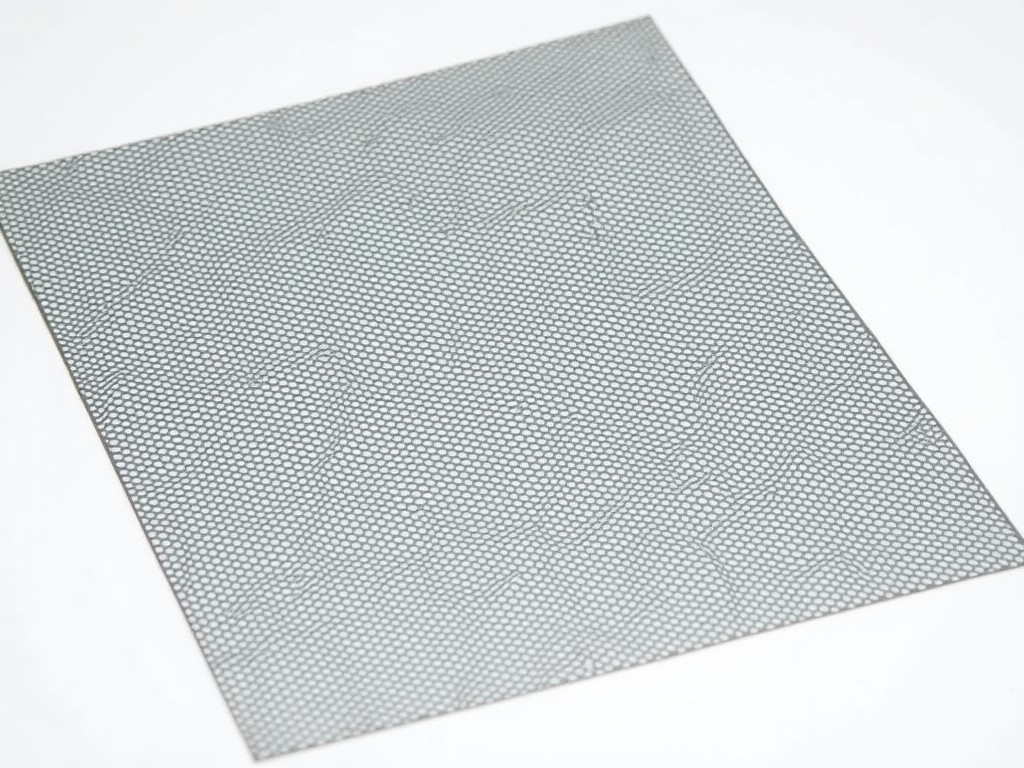

Product Categories


Send Inquiry
If you are interested in our products, leave your information here and we will be in touch shortly.