Decorative Wire Mesh For Cabinet Doors
Decorative wire mesh for cabinet doors combines functional ventilation with aesthetic detailing, commonly specified in residential and commercial cabinetry where visual texture and airflow are both
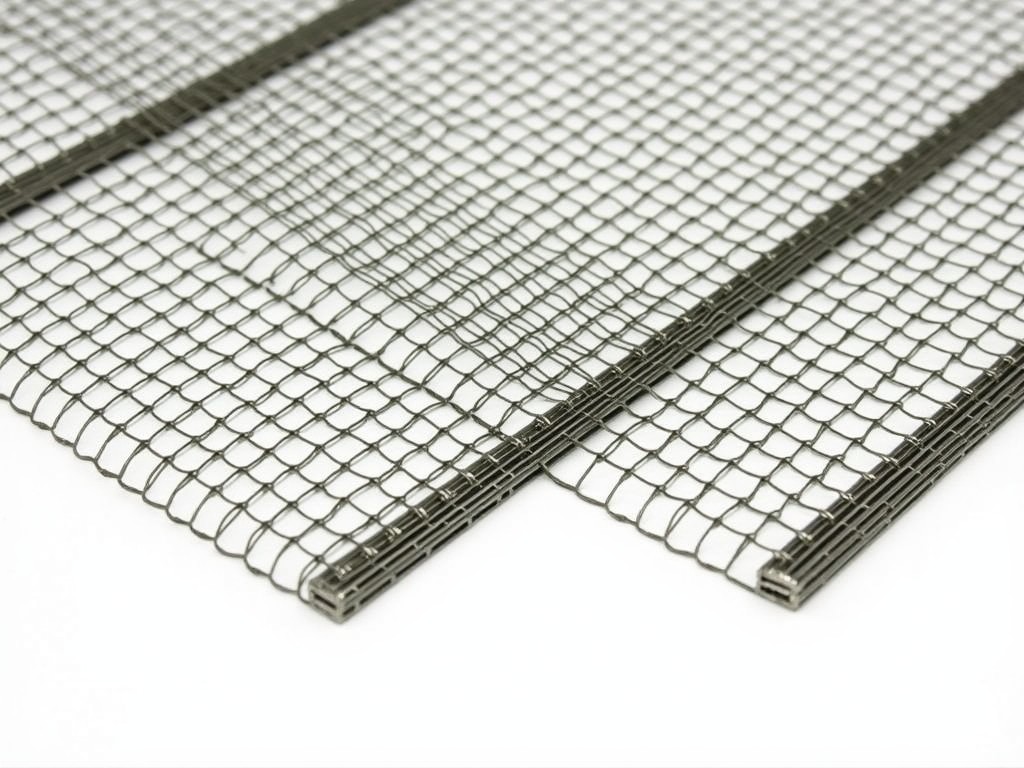
Decorative Wire Mesh for Cabinet Doors
Decorative wire mesh for cabinet doors combines functional ventilation with aesthetic detailing, commonly specified in residential and commercial cabinetry where visual texture and airflow are both design considerations. The mesh is fabricated from precision-drawn wire, welded or woven into repeating patterns that maintain structural integrity while allowing light transmission and air circulation. Selection depends on opening size, wire diameter, pattern repeat, and finish compatibility with surrounding materials.
Material and Construction Options
Base materials include stainless steel grades 304 and 316 for corrosion resistance in humid environments, low-carbon steel for cost-sensitive applications with protective coatings, and brass or bronze for decorative finishes requiring patina development. Wire diameters typically range from 0.8 mm to 2.0 mm, influencing both openness percentage and rigidity. Construction methods—welded square mesh, woven twill, or expanded metal—determine edge stability and resistance to deformation under handling or installation stress.
- Stainless steel 304: suitable for interior cabinetry with occasional moisture exposure
- Stainless steel 316: preferred for coastal or high-humidity installations
- Low-carbon steel with powder coating: economical option for dry interior environments
- Brass C36000: develops natural patina over time, often used in premium residential designs
Pattern Design and Open Area Characteristics
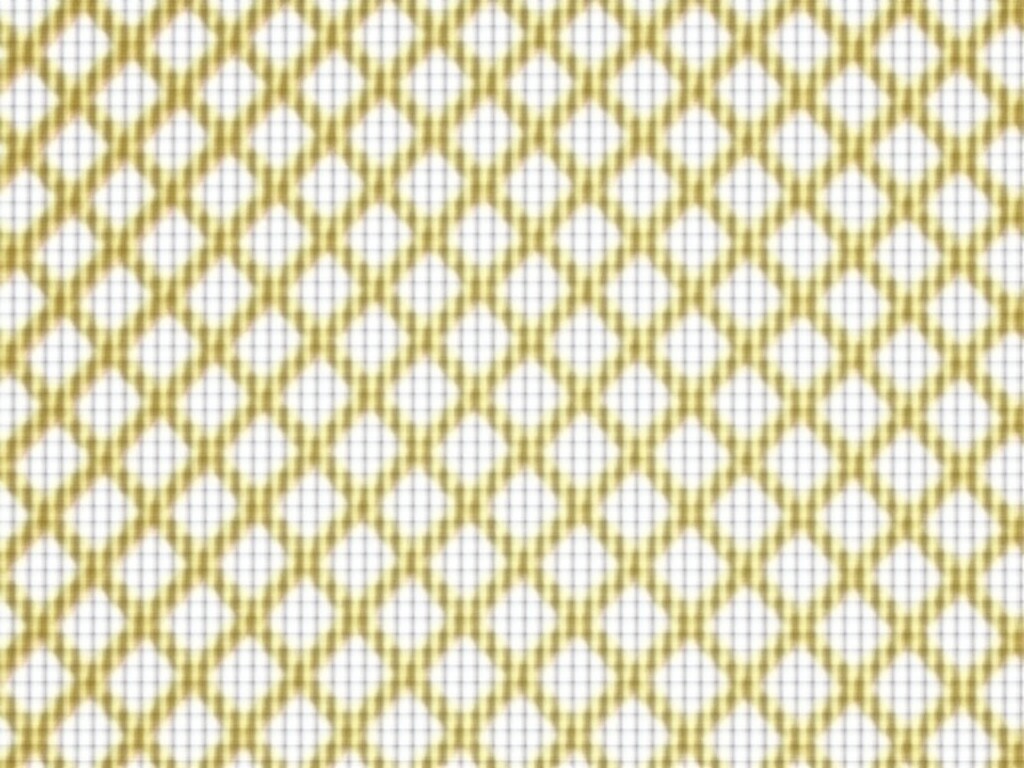
Decorative patterns are defined by wire spacing, shape repetition, and visual density, directly affecting the open area percentage—a key factor for ventilation efficiency and visual transparency. Common patterns include square grid (50–70% open area), hexagonal (60–75%), and ornamental motifs such as diamond or lattice (30–50%). Open area influences both airflow resistance and the visibility of cabinet contents, requiring balance between functional performance and design intent.
| Pattern Type | Typical Wire Spacing (mm) | Open Area (%) | Common Applications |
|---|---|---|---|
| Square Grid | 4.0–6.0 | 50–70 | Pantry doors, utility cabinets |
| Hexagonal | 5.0–7.0 | 60–75 | Display cabinets, wine storage |
| Ornamental Lattice | 3.0–5.0 | 30–50 | Kitchen uppers, bathroom vanities |
Finish and Surface Treatment
Surface finishes affect both appearance and long-term performance. Options include mill finish (as-produced), brushed satin for reduced reflectivity, powder coating in RAL colors for color matching to cabinetry, and chemical passivation for stainless steel to enhance corrosion resistance. Brass and bronze meshes may receive clear lacquer to stabilize patina or left untreated for natural aging. Finish selection should consider cleaning frequency, UV exposure, and contact with cleaning agents.
Installation and Integration Methods
Mesh panels are typically retained within cabinet door frames using rubber gaskets, vinyl splines, or metal retaining strips pressed into grooves routed into the frame perimeter. For frameless or inset designs, adhesive-backed mesh or mechanical fasteners such as small pins or clips may be used, provided they do not create stress concentrations that lead to wire fracture. Panel dimensions should account for thermal expansion of the substrate material, with clearance gaps of 1–3 mm recommended around edges.
Quality Control and Tolerances
Dimensional tolerances for wire spacing are typically ±0.2 mm for welded mesh and ±0.3 mm for woven types, measured under standardized tension. Squareness of panels is maintained within 2 mm diagonal deviation per meter. Visual inspection ensures absence of loose wires, weld fractures, or coating defects such as pinholes or uneven coverage. Batch testing may include tensile strength verification of wire and adhesion testing for coated finishes, per client specification.
Typical Applications in Cabinetry
Decorative wire mesh is selected when cabinet doors require both concealment and partial visibility of contents, such as in pantry storage where airflow prevents moisture buildup, or in display cabinets where dust protection is needed without obscuring view. In bathroom vanities, mesh doors reduce humidity retention compared to solid panels while maintaining privacy. In retail fixtures, the material supports product visibility and contributes to a modern, industrial aesthetic.
- Pantry and larder cabinets: ventilation for dry goods storage
- Wine and beverage displays: bottle visibility with light airflow
- Bathroom vanities: moisture reduction in enclosed storage
- Retail shelving: product display with minimal visual obstruction
- Audio/video cabinets: speaker grille functionality with decorative appeal
Customization and Ordering Considerations
Customization includes wire diameter, pattern repeat, panel dimensions, edge treatment (finished, hemmed, or framed), and surface finish. Orders require clear specification of opening size, wire count per inch, and finish compatibility with adjacent materials. Lead times vary based on material availability and pattern complexity, with standard square mesh typically shorter lead than custom ornamental designs. Samples are available upon request to validate appearance and fit before production.
Product Categories


Send Inquiry
If you are interested in our products, leave your information here and we will be in touch shortly.