Mesh Rib Lath Suppliers Source Factory
Mesh rib lath is a critical substrate material used in plaster and stucco applications where mechanical keying and crack resistance are essential. Unlike flat expanded metal lath, rib lath
Mesh Rib Lath: Specifications, Materials, and Supplier Considerations
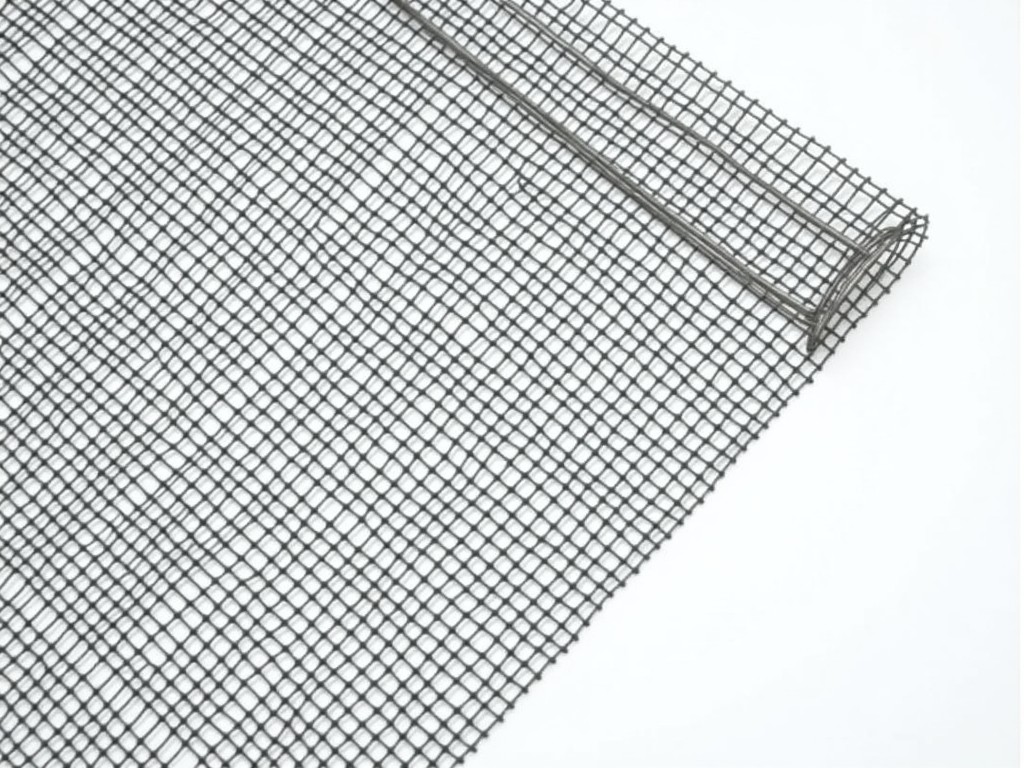
Mesh rib lath is a critical substrate material used in plaster and stucco applications where mechanical keying and crack resistance are essential. Unlike flat expanded metal lath, rib lath incorporates raised longitudinal ribs that enhance embedment depth and improve bond strength with cementitious coatings. This structural feature reduces sagging in vertical and overhead installations while maintaining flexibility to conform to curved surfaces. Industrial buyers specify rib lath based on rib profile, strand thickness, opening size, and material composition to match substrate movement expectations and finish coat requirements.
Material Composition and Mechanical Properties
Mesh rib lath is predominantly manufactured from hot-dipped galvanized steel coil conforming to ASTM A653/A653M standards. The zinc coating weight typically ranges from G60 (180 g/m² total) to G90 (275 g/m² total), selected based on environmental exposure conditions. For interior applications in dry environments, G60 provides adequate corrosion resistance over the service life of the plaster system. Exterior or high-moisture zones often require G90 coating to prevent premature rust staining that could compromise finish appearance. Alternative materials include stainless steel grades 304 and 316 for environments with chloride exposure or stringent hygiene requirements, though these options increase material cost by 300-500% compared to galvanized steel.
The base steel thickness, measured in gauge, directly influences rigidity and embedment capacity. Common gauges range from 26 (0.018") to 20 (0.036") for standard plaster applications. Thicker gauges resist deformation under wet plaster load but reduce flexibility for tight-radius curves. Strand width and rib height are interrelated design parameters; typical rib profiles feature 1/8" to 3/16" height with 1/4" to 3/8" spacing between ribs. These dimensions create mechanical interlocks that increase pull-out resistance by approximately 40% compared to flat lath of equivalent gauge, based on standardized bond testing protocols.
Standard Configurations and Dimensional Tolerances
Industrial suppliers maintain standardized roll dimensions to facilitate handling and minimize waste on job sites. Typical roll widths are 16" and 24", accommodating standard stud spacing in wood and metal framing systems. Lengths vary from 50 to 100 linear feet per roll, with longer lengths reducing seams but increasing roll weight—typically 25 to 40 lbs depending on gauge and width. Edge treatment options include straight cut, rolled edge for safety, or flange return for specific attachment methods. Tolerances conform to ASTM C847, with dimensional variations limited to ±1/8" in width and ±1/4" in length per roll to ensure consistent overlap during installation.
Comparison of Common Rib Lath Specifications
| Parameter | Light Duty (Interior) | Standard Duty | Heavy Duty/Exterior |
|---|---|---|---|
| Base Steel Gauge | 26 | 24 | 20 |
| Zinc Coating (G) | G60 | G60 | G90 |
| Rib Height | 1/8" | 3/16" | 1/4" |
| Typical Roll Weight (24"x50') | 22 lbs | 28 lbs | 38 lbs |
| Recommended Substrate | Wood studs, 16" oc | Wood or metal studs | Metal studs, high-load areas |
Applications Driven by Performance Requirements
Rib lath is selected over flat lath specifically when the plaster or stucco system requires enhanced resistance to cracking due to substrate movement or impact. In multi-story wood-frame construction, differential shrinkage between floor levels can induce tensile stresses in vertical wall assemblies; the rib pattern provides localized reinforcement that distributes these stresses and reduces crack propagation. For soffit and ceiling applications, the increased stiffness prevents sagging under the self-weight of traditional three-coat plaster systems exceeding 10 lbs/ft². In renovation projects over existing masonry, rib lath accommodates minor surface irregularities while maintaining consistent embedment depth for uniform finish thickness.
Industrial flooring systems employing polymer-modified cementitious toppings often specify rib lath to control shrinkage cracking in large-area pours. The ribs create a controlled bond plane that allows limited lateral movement while maintaining vertical load transfer. In fire-rated assemblies, the steel lath contributes to structural integrity during ASTM E119 testing by maintaining membrane continuity after plaster crystallization. Marine environments or indoor pools may necessitate stainless steel variants to withstand chloride-induced corrosion where galvanized coatings would degrade within 5-7 years despite initial cost savings.
Supplier Evaluation Criteria for Industrial Buyers
When assessing mesh rib lath suppliers, procurement engineers prioritize traceability of raw material certifications. Relevant documentation includes mill test reports for base steel coil and batch-specific zinc coating weight verification. Suppliers should maintain ISO 9001 certification with documented process controls for roll forming consistency, particularly rib height uniformity across production runs. Inconsistent rib profiles create weak points in the plaster matrix, leading to uneven stress distribution. Buyers request sample rolls for independent testing of tensile strength (typically 45,000-65,000 psi for galvanized steel) and elongation characteristics to verify ductility during impact events.
Logistics considerations include minimum order quantities, lead times for standard versus custom gauges, and packaging integrity during transit. Standard galvanized rib lath typically ships within 10-15 business days for domestic orders; stainless steel or special gauge orders may extend to 4-6 weeks. Protective packaging uses water-resistant kraft paper wraps with plastic end caps to prevent edge damage and moisture ingress during storage. Suppliers offering slit-to-width services reduce field waste by providing non-standard widths (e.g., 12", 18") without requiring full-width roll purchase. Technical support should include guidance on fastener selection—corrosion-resistant screws or staples with adequate penetration depth—to avoid compromising the zinc coating at attachment points.
For technical consultation on material selection, coating specifications, or custom roll dimensions, contact our engineering team to discuss project-specific requirements.
Request Technical Specification Sheet

Product Categories


Send Inquiry
If you are interested in our products, leave your information here and we will be in touch shortly.