Oem Metal Screen Window Protection
Metal screen window protection systems are engineered to provide durable, weather-resistant barriers for architectural openings in industrial, commercial, and institutional facilities. These systems
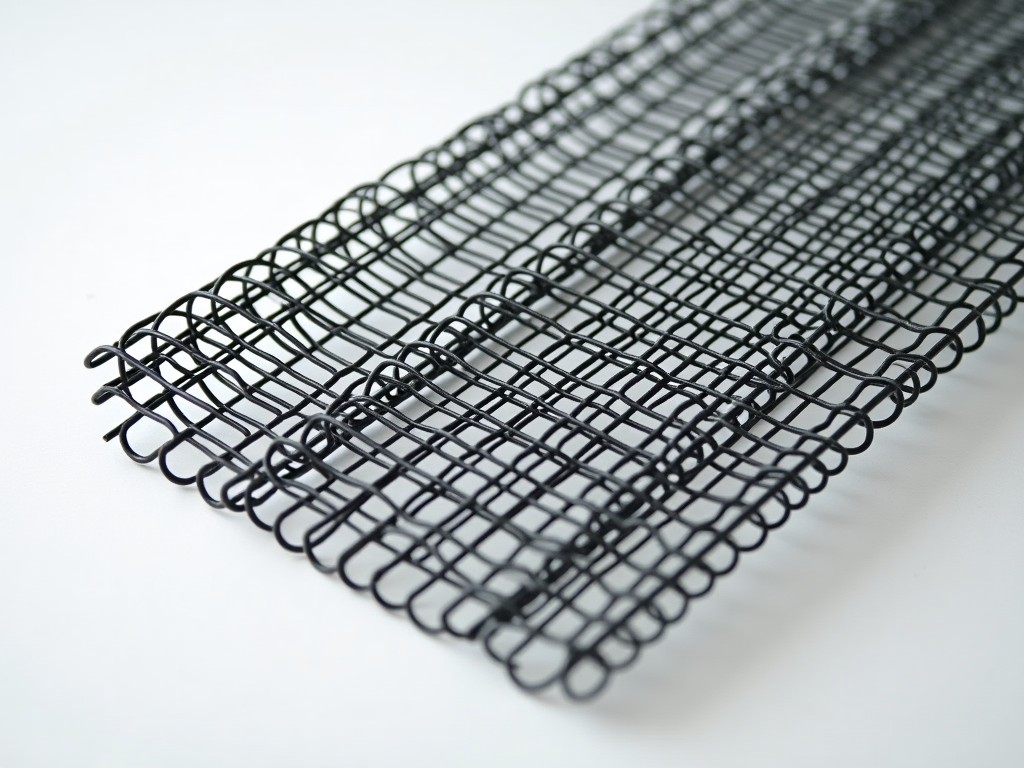
OEM Metal Screen Window Protection
Metal screen window protection systems are engineered to provide durable, weather-resistant barriers for architectural openings in industrial, commercial, and institutional facilities. These systems are designed to withstand environmental exposure, mechanical impact, and operational wear while maintaining visibility and airflow. Selection depends on substrate compatibility, load requirements, and long-term maintenance considerations.
OEM suppliers typically fabricate these components from corrosion-resistant alloys such as galvanized steel, stainless steel (grades 304 or 316), or aluminum, with surface treatments like powder coating or anodizing to enhance longevity. Mesh patterns, wire gauges, and frame profiles are specified based on functional requirements including intrusion resistance, debris filtration, or pest exclusion. Customization is standard to match unique architectural geometries and performance criteria.
Installation methods vary by substrate—concrete, steel framing, or curtain wall systems—and may involve mechanical fasteners, adhesive bonding, or clip-on mechanisms. Proper sealing at interfaces is critical to prevent water ingress and thermal bridging. Manufacturers provide detailed installation guides and often support field verification to ensure compliance with project specifications.
Material Selection and Performance Characteristics
Material choice directly affects service life, maintenance frequency, and total cost of ownership in exposed environments. Galvanized steel offers a cost-effective balance of strength and corrosion resistance for moderate climates, typically achieving 15–25 years of service with minimal upkeep. Stainless steel 304 is preferred in coastal or industrial atmospheres where chloride exposure is a concern, while 316 grade is specified for harsher conditions involving sulfur or acidic pollutants.
Aluminum alloys (such as 5052 or 6061-T6) provide lightweight alternatives with inherent oxide layer protection, reducing structural load on framing systems. Their natural resistance to rust eliminates the need for sacrificial coatings, though surface treatments like clear anodizing or PVDF coating are often applied to improve UV stability and color retention. Wire diameter and mesh opening size are engineered to balance strength, visibility, and functional performance—common specifications range from 1.2mm to 3.0mm wire with apertures from 6mm×6mm to 25mm×25mm.
Surface treatments are not merely cosmetic; they significantly influence environmental resilience. Powder coating provides uniform thickness (typically 60–80 microns) with excellent chip and fade resistance, while hot-dip galvanizing creates a metallurgical bond that protects edges and cut ends. Anodized aluminum layers penetrate the substrate, offering abrasion resistance that cannot be peeled or chipped. These properties are validated through accelerated weathering tests (ASTM G154) and salt spray exposure (ASTM B117).
Design Considerations for OEM Integration
OEM metal screen protection is rarely a standalone component; it must interface with adjacent building systems such as louvers, security grilles, or HVAC enclosures. Dimensional tolerances are critical—typically held to ±0.5mm for mating features—to ensure proper alignment and prevent gaps that compromise performance. Frame depths, flange widths, and mounting hole patterns are customized to match existing structural interfaces without requiring field modifications.
Load calculations account for wind pressure (per ASCE 7), impact loads from maintenance equipment, and seismic forces where applicable. Deflection limits are often set to L/180 under design loads to maintain mesh tension and prevent permanent deformation. Connection methods—whether bolted, welded, or clipped—are selected based on accessibility, disassembly needs, and differential movement between substrates.
Thermal expansion must be accommodated, especially in aluminum or long stainless steel runs. Expansion joints or slotted holes are incorporated to prevent stress buildup that could lead to fastener fatigue or frame distortion. Manufacturers provide expansion coefficient data and recommend installation clearances based on regional temperature ranges. These details are included in submittal packages to support coordination with structural and facade engineers.
Typical Specifications and Customization Options
| Parameter | Typical Range / Options | Notes |
|---|---|---|
| Frame Material | Galvanized steel, SS 304/316, Aluminum 5052/6061 | Selected based on environment and load |
| Mesh Wire Diameter | 1.2mm – 3.0mm | Affects strength and visibility |
| Mesh Opening Size | 6mm×6mm – 25mm×25mm | Balances airflow, debris stop, and vision |
| Surface Treatment | Powder coating, Anodizing, HDG, Mill finish | Custom colors and textures available |
| Frame Depth | 20mm – 100mm | Customized to mounting depth |
| Mounting Method | Mechanical fasteners, Adhesive, Clip-on | Determined by substrate and access |
Specifications are not rigid catalog items but starting points for engineering collaboration. OEM manufacturers work with clients to refine parameters based on computational fluid dynamics (CFD) for airflow, finite element analysis (FEA) for structural integrity, and accelerated aging tests for material longevity. Custom perforations, laser-cut patterns, or hybrid mesh configurations are feasible when standard options do not meet performance or aesthetic goals.
Tolerances are tightened for high-precision applications—such as cleanroom enclosures or sensor housings—where mesh alignment affects functionality. In these cases, optical comparators or coordinate measuring machines (CMMs) are used for first-article inspection. Documentation includes material test reports (MTRs), surface adhesion test results (ASTM D3359), and weld procedure specifications (WPS) where applicable.
Quality Control and Validation Process
Quality assurance begins at material receipt, with mill certificates verified against project requirements. Incoming inspection includes visual checks for surface defects, dimensional verification of raw stock, and magnetic particle testing for weldable alloys where required. During fabrication, critical dimensions are monitored at each stage—laser cutting, forming, welding, and finishing—to prevent cumulative tolerance drift.
Finished units undergo functional testing: mesh tension is measured with tensiometers to ensure uniform load distribution, frame squareness is verified using digital protractors, and coating adhesion is tested via cross-hatch (ASTM D3359) and pull-off (ASTM D4541) methods. For environmental sealing applications, water spray tests (ASTM E1105) or air leakage tests (ASTM E283) may be conducted on assembled units to validate performance under simulated conditions.
Traceability is maintained through unique part numbers linked to production batches, material lots, and inspection records. This supports root-cause analysis if field issues arise and enables efficient warranty management. Final packaging includes corrosion-inhibiting vapors (VCI) for sea freight and edge protectors to prevent damage during handling. Clients receive inspection reports, material certifications, and installation manuals as part of the submission package.
Applications in Industrial and Commercial Facilities
In manufacturing plants, metal screen protection is commonly installed over ventilation openings in machine rooms to prevent swarf, dust, or debris from entering critical equipment while maintaining adequate airflow. The mesh size is selected to block particles larger than 5mm—typical of machining chips—without causing excessive pressure drop. Frames are often designed with removable sections for filter maintenance access.
Transportation infrastructure such as transit stations and maintenance depots uses these screens to shield electrical conduits and signaling equipment from vandalism, weather, and foreign object damage. Stainless steel 316 with welded frames is preferred here due to exposure to de-icing salts and frequent cleaning cycles. Mounting systems are designed to resist tampering while allowing authorized access for inspections.
Data centers and telecommunications facilities employ finer mesh screens (e.g., 3mm×3mm) over intake louvers to exclude pests and particulate matter that could compromise cooling efficiency or cause short circuits. Aluminum frames with clear anodizing are chosen to minimize magnetic interference and reduce weight on raised flooring systems. These installations often require EMI shielding considerations, which are addressed through conductive coatings or grounding straps.
For technical specifications, customization requests, or project consultation, contact our engineering team to discuss your requirements.
Request Technical Consultation

Product Categories


Send Inquiry
If you are interested in our products, leave your information here and we will be in touch shortly.