Oem Mesh Stainless Steel Sheet
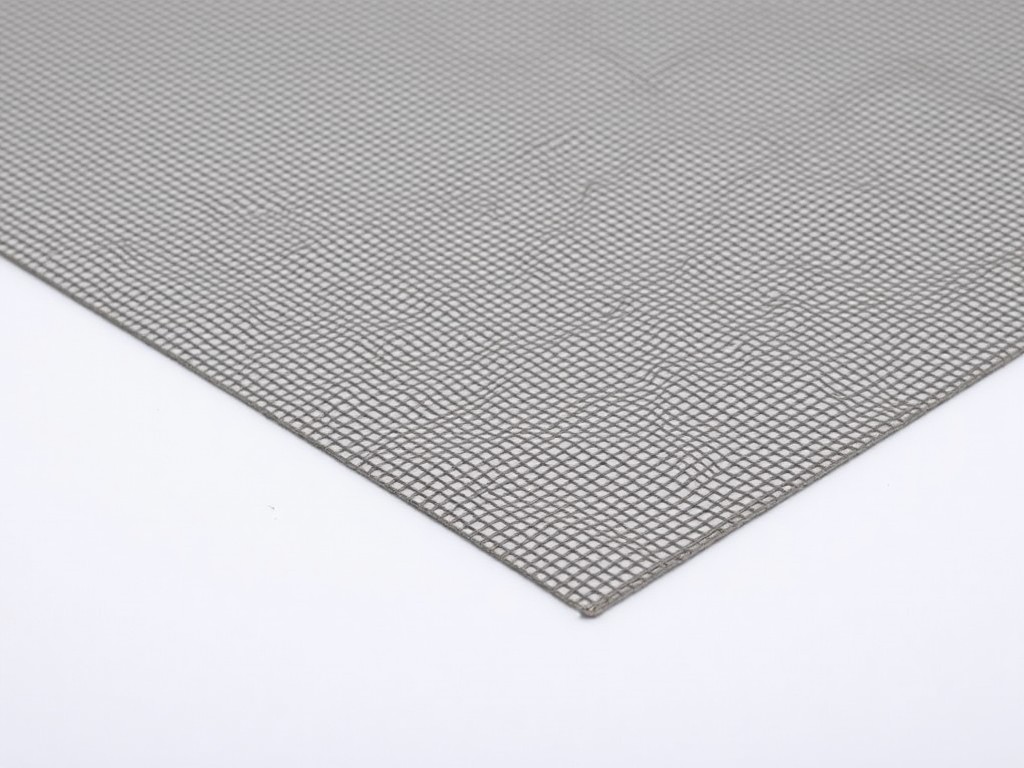
OEM mesh stainless steel sheet combines precision perforation or weaving with corrosion-resistant alloy substrates to create functional filtration, separation, and protective components. This product
OEM Mesh Stainless Steel Sheet
OEM mesh stainless steel sheet combines precision perforation or weaving with corrosion-resistant alloy substrates to create functional filtration, separation, and protective components. This product serves as an engineered interface between fluid dynamics, particulate control, and structural integrity in demanding industrial environments.
Material Composition and Alloy Selection
The base material for OEM mesh stainless steel sheet is selected from austenitic, ferritic, or duplex grades based on environmental exposure and mechanical demands. Type 304 (UNS S30400) offers general-purpose corrosion resistance in mildly oxidizing conditions, while Type 316L (UNS S31603) adds molybdenum for enhanced resistance to chlorides and acidic environments. Duplex grades like 2205 provide higher yield strength and stress corrosion cracking resistance for offshore or chemical processing applications. Alloy choice directly affects long-term performance in specific media.
Manufacturing Methods: Perforated vs. Woven Mesh
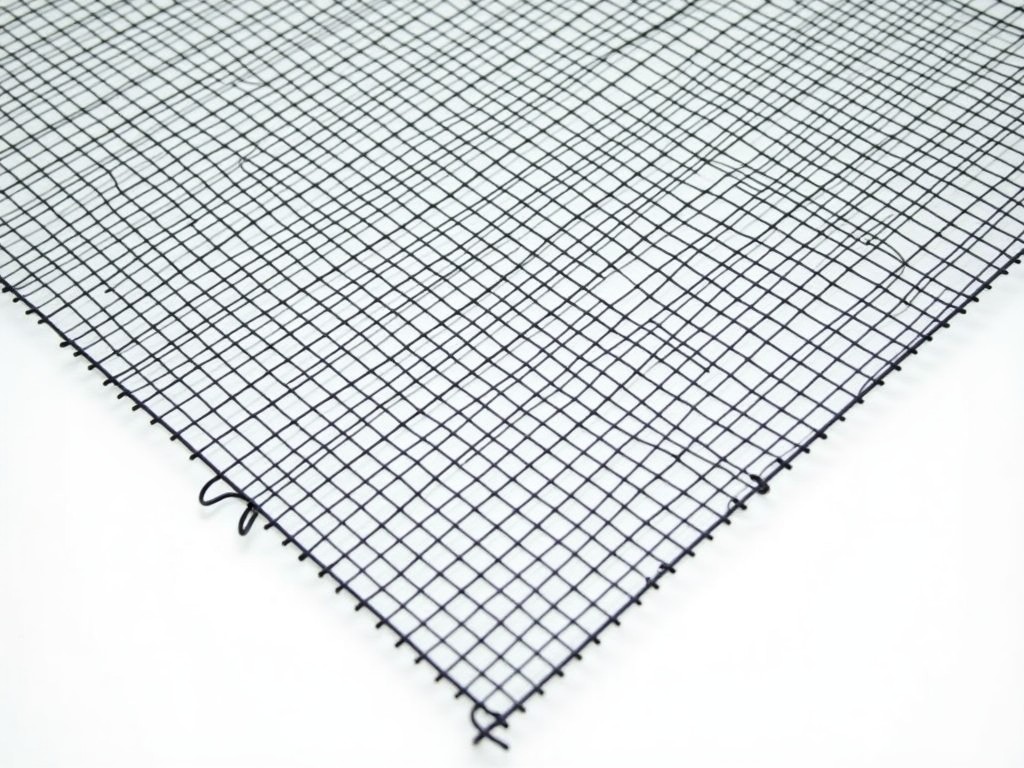
Two primary methods produce OEM mesh stainless steel sheet: precision punching for perforated patterns and industrial weaving for wire mesh structures. Perforated sheets are created using CNC turret presses or laser systems to achieve repeatable hole geometry, open area percentages, and directional flow characteristics. Woven mesh involves interlacing stainless steel wires in plain, twill, or Dutch weaves to control pore size distribution and tensile strength. Each method influences pressure drop, particle retention efficiency, and cleanability.
Key Engineering Parameters
Critical specifications include nominal hole or wire diameter, pitch (center-to-center spacing), open area percentage, sheet thickness, and tensile strength. For perforated sheets, open area typically ranges from 15% to 60% depending on hole size and pattern; for woven mesh, micron ratings define particle retention capability, with common grades from 5μm to 500μm. Sheet thickness varies from 0.5mm to 3.0mm, affecting rigidity and pressure resistance. These parameters are interdependent — changing one affects flow dynamics, structural load capacity, and fabrication feasibility.
Surface Treatments and Edge Finishing
Post-processing options enhance functionality and safety. Deburring removes sharp edges from punched holes to prevent fluid turbulence or operator injury during handling. Electropolishing improves surface smoothness, reducing fouling tendencies in food, pharmaceutical, or semiconductor applications. Passivation treatments restore the chromium oxide layer after welding or machining, ensuring uniform corrosion resistance. Edge finishes include mill edge, slit edge, or rolled safety edge based on installation requirements and handling protocols.
Typical Industrial Applications
OEM mesh stainless steel sheet is selected when precise fluid distribution, particulate control, or barrier protection is required under cyclic thermal or mechanical stress. In chemical processing, it serves as distributor plates in packed beds or catalyst supports where uniform flow prevents channeling. In food and beverage production, it functions as screening media in liquid-solid separators, with cleanability validated through CIP/SIP cycles. In automotive manufacturing, it protects sensitive components from debris while allowing coolant or airflow passage. In energy systems, it acts as flame arrestors or ember screens in exhaust systems, leveraging thermal stability and oxidation resistance.
Customization Logic for OEM Integration
Customization begins with defining the functional requirement: Is the primary goal filtration efficiency, flow distribution, structural support, or electromagnetic shielding? From there, engineers specify aperture geometry, open area, and material grade based on process fluid properties (viscosity, temperature, pH, particulate size). Dimensional tolerances are aligned with mating components — laser cutting achieves ±0.1mm accuracy for complex profiles, while stamping suits high-volume repetitive shapes. Mounting features like flanges, tabs, or perforated mounting holes are integrated during design to eliminate secondary operations.
Quality Control and Traceability
Verification includes dimensional inspection of hole size and positional accuracy using optical comparators or CMM systems, particularly for critical flow distribution applications. Material certification (EN 10204 3.1) confirms alloy composition and mechanical properties. Visual inspection under standardized lighting identifies surface defects, burrs, or contamination. For woven mesh, bubble point testing or bead challenge validates pore size distribution and integrity. All test records are retained per lot for traceability, supporting audit readiness in regulated industries.
Comparison: Perforated Sheet vs. Woven Mesh
| Parameter | Perforated Sheet | Woven Mesh |
|---|---|---|
| Typical Open Area | 15%–60% | 20%–70% (weave-dependent) |
| Aperture Consistency | High ( CNC/laser precision ) | Moderate ( wire diameter tolerance ) |
| Pressure Resistance | Higher ( solid ligament structure ) | Lower ( dependent on wire diameter ) |
| Cleanability | Good ( smooth surfaces ) | Variable ( crevices in weave ) |
| Custom Shape Flexibility | High ( laser cutting ) | Limited ( requires full reweave ) |
| Typical Use Case | Flow distribution, structural screening | Fine filtration, particle retention |
Ordering Information and Technical Support
To initiate an OEM mesh stainless steel sheet quotation, provide: base alloy grade, sheet dimensions (length × width × thickness), hole or wire specification (size, pattern, open area), edge condition, required surface finish, and any secondary operations (bending, notching, forming). Include environmental exposure details — temperature range, fluid chemistry, pressure differentials — to validate material suitability. Our engineering team reviews inputs for manufacturability and suggests alternatives if constraints exist (e.g., minimum web thickness in perforations, wire count limits in weaves).
Standard tolerances follow industry norms unless tighter specifications are requested and validated. Lead times depend on complexity, material availability, and order volume, typically ranging from 2 to 4 weeks for stock alloys and 4 to 6 weeks for special grades. Packaging uses corrosion-inhibiting interleaving and moisture-resistant crating for export shipment. Sample provision is available upon request to validate fit and function before full production.
Request technical consultation or submit specification for evaluation
Product Categories


Send Inquiry
If you are interested in our products, leave your information here and we will be in touch shortly.