Oem 4X8 Expanded Metal Sheet Price
Expanded metal sheets are manufactured by simultaneously slitting and stretching a solid metal plate, creating a uniform pattern of diamond-shaped openings without material loss. This process
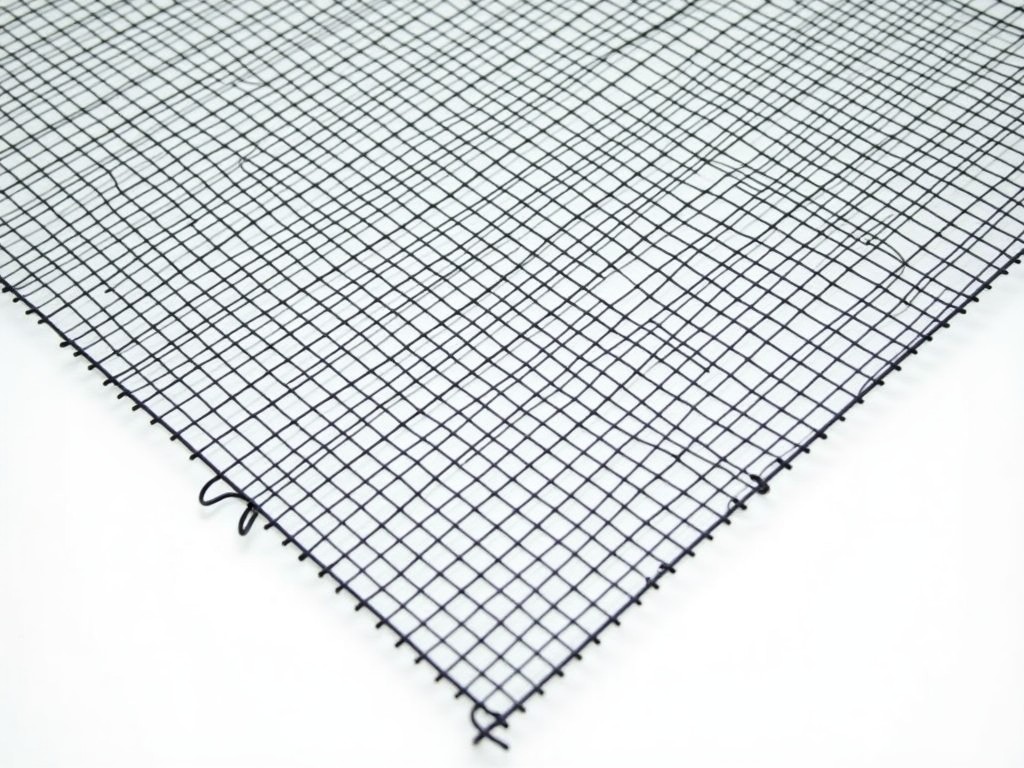
OEM 4x8 Expanded Metal Sheet: Technical Specifications and Pricing Considerations
Expanded metal sheets are manufactured by simultaneously slitting and stretching a solid metal plate, creating a uniform pattern of diamond-shaped openings without material loss. This process enhances structural rigidity while maintaining open area for airflow, light transmission, or drainage. The 4x8 ft (12272 inches) format is a standard panel size in industrial fabrication, widely used where consistent sizing simplifies handling, stacking, and integration into larger assemblies. Pricing for OEM 4x8 expanded metal sheets depends on material type, thickness, strand width, opening size (SW x LW), and surface treatment—factors that directly influence mechanical performance and suitability for specific environments.
Material Selection and Mechanical Properties
Common base materials include carbon steel (ASTM A1011), galvanized steel (G90 coating), stainless steel (304, 316L), and aluminum (5052-H32, 6061-T6). Carbon steel offers high tensile strength (typically 55–75 ksi) and is cost-effective for indoor or painted applications. Galvanized steel provides corrosion resistance in humid environments through zinc sacrificial protection. Stainless steel grades resist oxidation and chemical exposure, with 316L preferred for marine or chloride-rich settings due to molybdenum content. Aluminum variants deliver lightweight construction (density ~0.098 lb/in³) with natural oxide layer protection, suitable for non-structural enclosures or decorative screens where weight reduction is critical.
Strand thickness and width determine load-bearing capacity and open area percentage. For example, a 3/4" #9 expanded metal (SW=0.938", LW=2.0", strand width=0.135", thickness=0.148") in carbon steel provides approximately 70% open area and a nominal weight of 0.82 lb/ft². Increasing strand dimensions reduces open area but increases stiffness and resistance to deformation under load. Aluminum equivalents of the same geometry weigh roughly one-third as much due to lower density, affecting handling and support requirements in suspended or movable installations.
Opening Dimensions and Functional Implications
The short way of the diamond (SW) and long way (LW) define the aperture geometry, influencing both functionality and fabrication ease. Standard SW/LW ratios range from 0.3:1 to 0.5:1 (e.g., 1/2" SW x 1.25" LW), balancing open area with strand overlap for shear resistance. Smaller openings (e.g., 1/4" SW x 0.5" LW) increase surface contact area, beneficial for filtration, security barriers, or preventing small-particle passage. Larger openings (e.g., 1-1/2" SW x 3" LW) maximize airflow and visibility, commonly used in HVAC grilles, machine guards, or architectural facades where visual openness is prioritized over fine screening.
Opening size also affects manufacturability and tolerances. Finer patterns require precise tooling and may exhibit greater variation in strand thickness due to higher deformation ratios during expansion. Coarser patterns are more forgiving in production but may necessitate additional edge treatment if used in safety-critical applications where exposed strands could pose a snag hazard. Designers should verify that the selected SW/LW aligns with required open area percentage, directional strength, and compatibility with mating components such as frames, fasteners, or adjacent panels.
Surface Treatments and Environmental Durability
Post-expansion treatments modify surface properties to extend service life or meet aesthetic requirements. Carbon steel sheets are often supplied with a light oil coating to prevent rust during storage; for long-term use, they require priming and painting or powder coating to achieve durable corrosion protection. Galvanized stock may undergo chromate passivation or clear sealers to enhance white rust resistance in humid transit or storage. Stainless steel can be left bare for its inherent passive oxide layer, or electropolished to improve surface smoothness for sanitary or pharmaceutical environments where crevice corrosion must be minimized.
Aluminum sheets may receive anodizing (Type II or III) to increase surface hardness and enable color dyeing for architectural applications. Chemical conversion coatings (e.g., Alodine) improve paint adhesion without significantly altering dimensions. For OEM integration, dimensional stability after treatment is critical—especially when sheets are laser-cut, punched, or formed post-purchase. Buyers should specify required finish standards (e.g., ASTM B633 for zinc, ASTM A967 for stainless passivation) and confirm whether the supplier provides mill test reports or coating thickness validation upon request.
Typical Price Ranges and Cost Drivers
As of 2024–2025 market conditions, baseline pricing for a standard carbon steel 4x8 expanded metal sheet (e.g., 3/4" #9) ranges from $25 to $40 per panel, depending on volume, supplier location, and raw material fluctuations. Galvanized equivalents typically carry a 15–25% premium due to coating process costs. Stainless steel 304 variants range from $80 to $130 per sheet, while 316L can exceed $180, reflecting alloy composition and market volatility. Aluminum 5052-H32 panels fall between $35 and $55 for comparable geometry, influenced by ingot prices and extrusion/drawing efficiencies.
Volume discounts apply progressively: orders of 10–24 panels may reduce unit cost by 5–10%; 25–99 panels by 10–18%; and 100+ by 15–25% or more, assuming standard specifications. Custom dimensions, non-standard alloys (e.g., Corten, Inconel), tight tolerances, or special finishes (e.g., custom powder coat colors, anti-slip textures) increase pricing due to setup, tooling, and lower yield. Edge treatment—such as welding, framing, or deburring—adds labor cost and is often quoted separately. Buyers should request itemized quotes that separate material, processing, and logistics to accurately compare suppliers.
Applications Across Industrial Sectors
In machine guarding, expanded metal provides impact resistance and visibility while meeting OSHA 1910.212 requirements for point-of-operation protection. The open structure allows coolant flow and chip evacuation in CNC machining environments, reducing heat buildup and maintenance frequency. For security fencing, 3/4" #9 galvanized or stainless steel panels resist climbing and cutting attempts, with anti-climb designs achievable through strand orientation or overlay patterns. Architectural applications use aluminum or stainless steel in sunshades, balcony infill, or facade panels where corrosion resistance and lightweight properties reduce structural load on supporting frames.
Industrial walkways and platforms benefit from the self-draining, slip-resistant surface of raised-strand expanded metal, often serialized with serrated strands for enhanced traction in oily or wet conditions. HVAC systems use large-opening aluminum or galvanized sheets in intake grilles and exhaust vents, where low pressure drop and weather resistance are essential. In food processing, stainless steel 316L with electropolished finish prevents bacterial harborage and withstands frequent washdowns with caustic cleaners. Agricultural equipment manufacturers specify expanded metal for grain dryer screens and radiator guards, balancing durability with airflow efficiency under cyclic thermal loading.
Quality Control and Inspection Parameters
Dimensional verification includes checking overall panel size (48" x 96" ±1/8"), strand width and thickness (typically ±0.005"), and opening dimensions (SW/LW ±3%). Camber and flatness are assessed using a straightedge and feeler gauge; acceptable deviation is usually <1/8" over 8 ft for structural applications. Surface quality is inspected for cracks, splits, or inconsistent expansion—defects that could propagate under load or compromise coating adhesion. For coated products, dry film thickness (DFT) is measured magnetically or via eddy current methods to ensure compliance with specified mils (e.g., 1.5–2.0 mil for powder coat, 4–6 mil for hot-dip galvanized per ASTM A123).
Mechanical properties such as tensile strength and elongation are typically validated per ASTM F1267 for expanded metal, though OEMs may request lot-specific test reports. Bend testing evaluates ductility at the node points to ensure strands do not fracture during forming. For safety-critical uses, third-party certification (e.g., UL, CE) may be required, particularly when the sheet is part of a larger guarded assembly. Suppliers should provide conformance documentation upon request, and buyers are advised to define acceptance criteria in the purchase order to avoid ambiguity during receipt inspection.
Packaging, Handling, and Logistics Considerations
Standard 4x8 panels are bundled in stacks of 10–25 pieces, depending on thickness and weight, secured with steel or plastic banding and corner protectors to prevent edge deformation during transit. Bundles are typically wrapped in water-resistant paper or plastic film to mitigate moisture exposure. For stainless steel or pre-finished aluminum, interleaving with kraft paper or polyethylene sheets prevents surface abrasion between panels. Heavier gauges (e.g., 1/4" thick carbon steel) may require wooden pallets and forklift handling, while lighter aluminum bundles can be manually moved with proper lifting techniques to avoid bending.
Export shipments often include desiccant packs and vapor corrosion inhibitors (VCI) for ferrous materials, especially when destined for high-humidity climates. Dimensions align with standard containerization—4x8 ft panels fit efficiently in 20’ or 40’ freight containers with minimal waste. Buyers should confirm whether the supplier offers drop-shipping to job sites or requires consolidation at a distribution center. Lead times vary: stock carbon steel and galvanized items may ship in 3–5 business days; stainless steel and aluminum often require 10–20 days due to mill scheduling; custom finishes or non-standard alloys can extend to 4–6 weeks. Clear communication of required delivery dates helps avoid production delays.
Request a Technical Quote for OEM 4x8 Expanded Metal Sheet
To receive an accurate, itemized quotation for OEM 4x8 expanded metal sheets, provide the following details: base material (carbon steel, galvanized, stainless steel grade, or aluminum alloy), strand size and thickness (or standard designation e.g., 3/4" #9), opening dimensions (SW x LW), required surface treatment (bare, galvanized, painted, powder coated, anodized, etc.), quantity needed, and any special requirements such as edge deburring, framing, custom sizes, or certification documentation. Including the intended application helps our engineering team recommend optimal specifications for performance, cost, and longevity. Submit your request via the contact form or email to begin the evaluation process.
Product Categories


Send Inquiry
If you are interested in our products, leave your information here and we will be in touch shortly.