Oem Non Galvanized Wire Mesh
Non galvanized wire mesh is a base material option for applications where coating is either unnecessary or applied later in the fabrication process. It consists of plain steel wires woven or welded
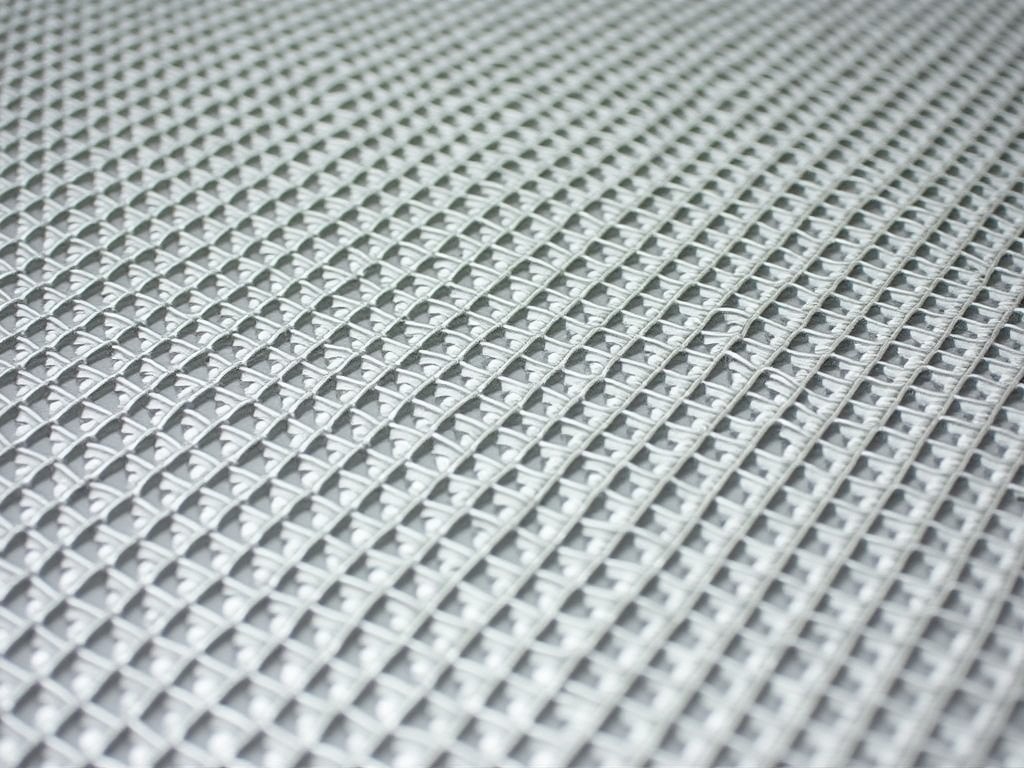
OEM Non Galvanized Wire Mesh
Non galvanized wire mesh is a base material option for applications where coating is either unnecessary or applied later in the fabrication process. It consists of plain steel wires woven or welded into a grid pattern without zinc or other protective coatings. This allows for greater control over surface treatment, welding compatibility, and post-processing steps such as painting, powder coating, or chemical treatment. Industrial buyers select non galvanized mesh when the final product requires specific surface characteristics that coatings might interfere with, or when cost sensitivity favors bare steel with in-house finishing.
Material Composition and Mechanical Properties
The base material is typically low-carbon steel wire, such as SAE 1006–1010, chosen for its formability and weldability. Wire diameter ranges from 0.5 mm to 6.0 mm depending on the mesh specification and intended load. Tensile strength of the wire before weaving generally falls between 350–550 MPa, with elongation at break around 20–25%. These values influence the mesh’s resistance to deformation under stress and its ability to withstand welding temperatures without cracking. Unlike galvanized variants, non galvanized mesh retains the full metallurgical properties of the base wire, which is critical when subsequent heat treatment or coating processes are required.
Weave and Weld Configurations
Non galvanized wire mesh is available in both woven and welded constructions. Woven mesh uses pre-drawn wires interlaced in plain dutch, twill, or reverse dutch patterns, offering precision openings and filtration accuracy. Welded mesh is produced by resistance welding at wire intersections, providing rigid panels suitable for structural reinforcement, machine guarding, or conveyor belts. Aperture sizes range from 0.8 mm to 100 mm, with wire spacing directly affecting open area percentage and pressure drop in fluid dynamics applications. The absence of coating ensures consistent weld penetration and avoids zinc volatilization during fabrication.
Surface Condition and Post-Processing Compatibility
The bare steel surface exhibits a mill finish with typical roughness (Ra) between 1.6–3.2 μm, depending on wire drawing quality. This surface promotes adhesion for organic coatings, primers, and solvent-based paints without requiring aggressive surface profiling. For powder coating, the mesh can be pretreated with phosphating or chromating to enhance corrosion resistance after application. In chemical processing, non galvanized mesh allows for uniform etching, passivation, or plating (e.g., nickel, chromium) since there is no zinc layer to interfere with bath chemistry or cause uneven deposition. Welding operations benefit from reduced porosity and spatter compared to coated alternatives.
Typical Applications by Industry
In automotive manufacturing, non galvanized mesh is used for catalytic converter substrates where subsequent aluminizing or washcoating requires a clean, weldable surface. In architectural applications, it serves as a base for custom finishes on façades, sunshades, or interior partitions where designers specify unique paint textures or metallic coatings. Industrial filtration systems use fine mesh grades for liquid straining or gas diffusion, where coating residues could contaminate process streams. Agricultural equipment manufacturers specify non galvanized mesh for sieve plates and seed cleaners that undergo frequent washing and require re-coating after wear. Construction applications include temporary concrete formwork liners where the mesh is embedded and later coated for corrosion protection in alkaline environments.
Comparison: Non Galvanized vs. Galvanized Wire Mesh
| Property | Non Galvanized | Galvanized |
|---|---|---|
| Base Wire Material | Low-carbon steel (SAE 1006–1010) | Low-carbon steel (SAE 1006–1010) |
| Surface Coating | None (bare steel) | Zinc coating (typically 20–50 g/m²) |
| Weldability | Excellent; clean fusion, minimal spatter | Fair; zinc volatilization can cause porosity and fuming |
| Paint Adhesion | Good with proper pretreatment | Poor; requires surface profiling or special primers |
| Corrosion Resistance (as-supplied) | None; requires post-treatment | Moderate; sacrificial zinc protection |
| Cost (material only) | Lower | Higher (due to coating process) |
| Post-Processing Flexibility | High; suitable for painting, plating, heat treatment | Limited; coating interferes with secondary treatments |
Customization Options
OEM specifications are accommodated through adjustments in wire diameter, aperture size, weave/weld pattern, panel dimensions, and edge treatment. Wire diameter can be selected in 0.1 mm increments within the feasible range for the chosen mesh type. Aperture tolerance is typically ±5% for woven mesh and ±3% for welded mesh, with tighter tolerances available upon request. Panels can be supplied flat or rolled, with custom lengths up to 6 meters and widths up to 2.4 meters. Edge options include raw cut, folded hem, welded frame, or hook strip for secure installation. Surface preparation such as degreasing, phosphating, or light blasting can be performed prior to shipment if required for downstream coating processes.
Quality Control and Inspection
Dimensional verification includes aperture measurement using calibrated gauges or vision systems, wire diameter checks via micrometers, and panel squareness assessment. Visual inspection identifies defects such as missed welds, broken wires, or uneven tension. For critical applications, tensile testing of wire samples and bend testing of welded joints may be conducted. Coating adhesion tests are not applicable to bare mesh, but surface cleanliness is verified via wipe testing or water break analysis when pretreatment is applied. All inspections follow internal standards aligned with ASTM E11, ISO 9044, or customer-specific requirements, with documentation available upon request.
Packaging and Handling
Mesh panels are stacked with interleaving paper or plastic sheets to prevent abrasion and corrosion during transit. Bundles are secured with steel or polyester strapping and wrapped in stretch film for moisture resistance. For fine mesh or precision applications, individual sleeving or crate packing is available to avoid deformation. Palletized shipments use standard export pallets with corner protection and are labeled with part numbers, quantities, and handling instructions. Due to the bare steel surface, temporary rust inhibitors may be applied upon request for long-term storage or humid environments, though these are removable with alkaline cleaning before coating.

Product Categories


Send Inquiry
If you are interested in our products, leave your information here and we will be in touch shortly.