Pest Control Wire Mesh Factory Price
Pest control wire mesh serves as a physical barrier to prevent rodent, insect, and bird intrusion in agricultural, industrial, and commercial structures. Its effectiveness depends on aperture size,
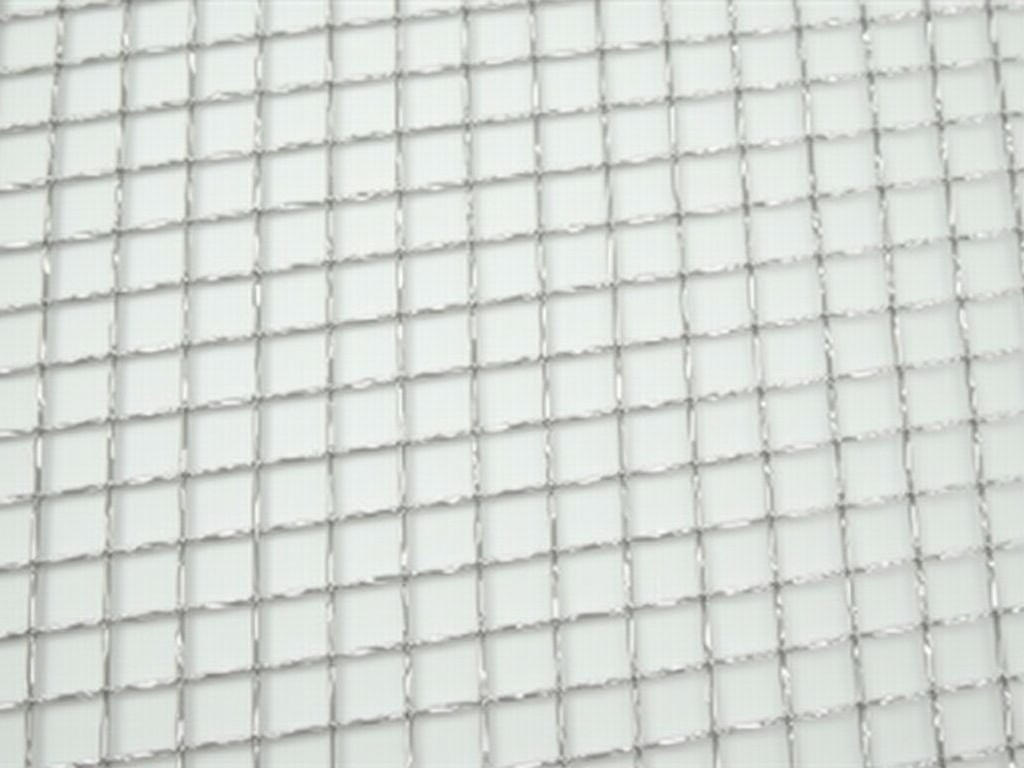
Pest Control Wire Mesh: Factory Direct Specifications and Applications
Pest control wire mesh serves as a physical barrier to prevent rodent, insect, and bird intrusion in agricultural, industrial, and commercial structures. Its effectiveness depends on aperture size, wire diameter, material composition, and installation method—factors that directly influence exclusion performance and service life.
Selecting the correct mesh requires matching these parameters to the target pest species and environmental exposure. This page details the technical specifications, material options, and application considerations for factory-priced pest control wire mesh, enabling informed procurement decisions based on engineering criteria rather than generic claims.
Material Properties and Corrosion Resistance
The base material determines long-term performance in outdoor or humid environments. Common options include galvanized steel, stainless steel (grades 304 and 316), and PVC-coated variants, each offering distinct corrosion resistance profiles.
Galvanized steel mesh features a zinc coating typically applied via hot-dip process, providing sacrificial protection suitable for temporary or semi-permanent installations in moderate climates. Stainless steel grades 304 and 316 resist oxidation through chromium-nickel alloying, with 316 offering superior chloride resistance for coastal or chemical exposure. PVC coating adds a dielectric barrier over steel substrates, extending service life in moist conditions while maintaining flexibility.
Wire diameter and tensile strength vary by material and gauge; for example, 2mm stainless steel 304 wire delivers approximately 550 MPa tensile strength, whereas equivalent galvanized wire may reach 450 MPa due to coating effects on base metal properties.
Aperture Sizing for Target Pest Exclusion
Exclusion efficacy hinges on aperture dimensions relative to pest morphology. Standard mesh openings are specified in millimeters or wire gauge, directly determining which species can penetrate.
For rodent control (rats, mice), apertures must not exceed 6mm to prevent juvenile rat passage and 3mm for mice exclusion. Insect screening requires finer meshes—typically 1.2mm or less—for blocking mosquitoes and small flies, while bird exclusion often uses 25mm×25mm or larger squares to deter pigeons without entanglement risk.
Custom aperture sizes are available upon request; however, deviating from standard proportions may affect roll stability during installation and increase material waste. Engineers should validate hole dimensions against physical pest samples or established exclusion guidelines (e.g., NPMA, WHO) before finalizing specifications.
Manufacturing Process and Quality Control
Consistent mesh performance relies on precise wire drawing, weaving, and post-treatment processes. Variations in wire tension or coating uniformity create weak points that reduce barrier integrity.
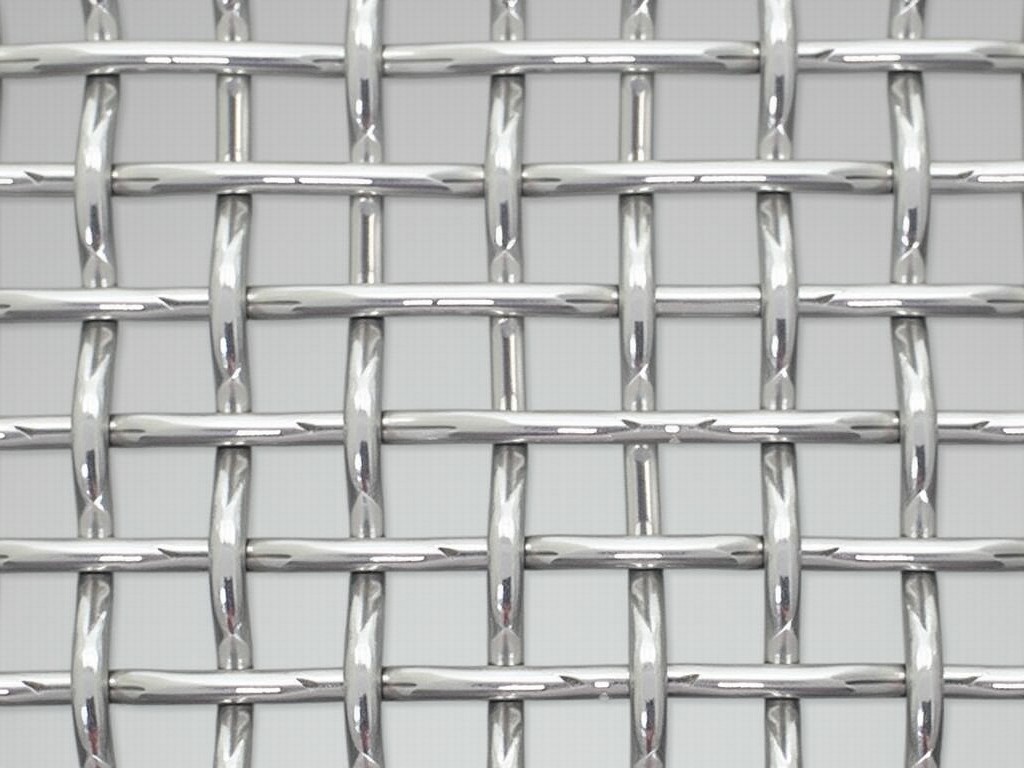
Weaving methods include plain weave (standard crimp) for general use and locked crimp for enhanced rigidity in high-vibration environments. Post-weave treatments—such as galvanizing after welding or powder coating—improve edge coverage compared to pre-coated wire, reducing corrosion initiation at intersections.
Quality control involves dimensional checks (aperture width, wire diameter), tensile testing of sample strands, and adhesion testing for coated materials. Batch traceability is maintained through lot numbers linked to raw material certifications and process parameters, supporting audit trails for OEM and compliance-driven procurement.
Typical Specifications Table
| Parameter | Typical Range | Notes |
|---|---|---|
| Wire Diameter | 0.8mm – 3.0mm | Depends on material and required tensile strength |
| Aperture Size | 1.2mm – 50mm | Square or rectangular; customizable per project |
| Roll Width | 0.5m – 3.0m | Standard widths; slit to size available |
| Roll Length | 10m – 50m | Longer lengths subject to material handling constraints |
| Coating Weight (Galvanized) | 60g/m² – 275g/m² | Hot-dip equivalent; varies by local standards |
| Tensile Strength (Wire) | 300MPa – 650MPa | Material-dependent; stainless steel typically higher |
Application-Specific Selection Logic
Matching mesh characteristics to end-use conditions prevents premature failure and unnecessary over-specification. Different environments impose distinct mechanical and chemical loads.
In food processing facilities, stainless steel 304 mesh with 1.2mm apertures is commonly selected for wash-down compatibility and resistance to cleaning agents. Agricultural barns often use galvanized mesh with 6mm apertures for rodent exclusion, balancing cost and adequate protection against larger pests. For exterior building facades in coastal zones, PVC-coated or 316 stainless steel with 25mm apertures deter birds while resisting salt-induced degradation.
Temporary construction site barriers may utilize lighter gauge galvanized mesh (1.0mm wire, 20mm apertures) for debris containment, whereas permanent perimeter fencing around substations requires heavier gauge (2.5mm wire, 12mm apertures) locked-crimp weave to withstand wind loading and vandalism attempts. Load calculations should reference local wind speed tables and impact resistance standards where applicable.
Customization and Ordering Considerations
Factory pricing applies to standard configurations; deviations affect unit cost based on material yield, processing time, and tooling requirements. Clear specifications prevent quotation delays.
Key customization parameters include wire diameter, aperture size, roll dimensions, material grade, coating type, and edge treatment (e.g., selvaged, folded, or welded ends). Bulk orders typically receive pricing breaks at defined quantity thresholds, though minimum run sizes may apply for non-standard alloys or coatings.
To obtain an accurate factory quote, provide: target pest species (for aperture recommendation), installation environment (indoor/outdoor, chemical exposure), required roll dimensions, preferred material, and any regulatory compliance needs (e.g., FDA, USDA, CE). Samples are available upon request for validation testing prior to production commitment.
For technical inquiries, specification validation, or factory pricing on pest control wire mesh, contact our engineering team to discuss your project requirements.
Request Factory Quote
Product Categories


Send Inquiry
If you are interested in our products, leave your information here and we will be in touch shortly.