Plastic Covered Wire Mesh Factory Price
Plastic coated wire mesh consists of a steel wire substrate uniformly encapsulated in a polymer layer, typically polyvinyl chloride (PVC) or polyethylene (PE), applied through extrusion or
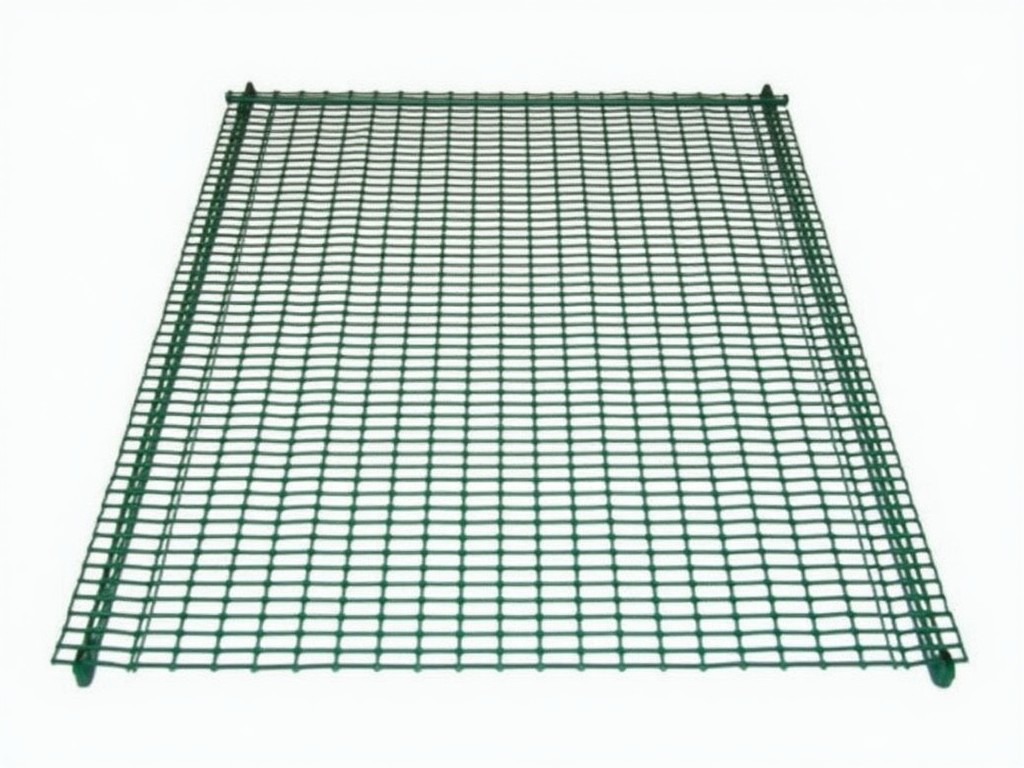
Plastic Coated Wire Mesh: Factory Direct Pricing & Technical Specifications
Understanding Plastic Coated Wire Mesh Construction
Plastic coated wire mesh consists of a steel wire substrate uniformly encapsulated in a polymer layer, typically polyvinyl chloride (PVC) or polyethylene (PE), applied through extrusion or dip-coating processes. The coating thickness generally ranges from 0.3mm to 1.0mm, depending on the base wire diameter and end-use requirements. This encapsulation serves dual functions: it provides corrosion resistance by isolating the steel from environmental exposure and modifies surface properties for specific handling or safety needs.
The base wire is usually low-carbon steel (Q195/Q235 equivalent) with tensile strength between 350-550 MPa, selected for its balance of formability and structural integrity. Coating adhesion is critical; inadequate bonding leads to delamination under mechanical stress or thermal cycling. Manufacturers control this through precise surface pretreatment (cleaning, phosphating) and optimized extrusion parameters (temperature, line speed, die geometry) to ensure consistent coating thickness and interfacial strength.
Key Performance Characteristics Influencing Selection
When evaluating plastic coated wire mesh for industrial applications, procurement engineers prioritize measurable properties over subjective claims. The coating’s dielectric strength typically exceeds 15 kV/mm, making it suitable for electrical insulation applications where bare wire would pose a risk. UV stabilization additives in the polymer matrix extend outdoor service life; uncoated steel mesh in direct sunlight degrades significantly faster due to combined UV and moisture exposure.
Abrasion resistance is another key factor—coated mesh maintains surface integrity longer than bare wire in high-contact environments like animal enclosures or conveyor guards. The coating also reduces the risk of injury from sharp wire ends, a critical consideration in public-access areas or livestock handling systems. Thermal stability varies by polymer: standard PVC withstands -10°C to 60°C continuously, while modified formulations can extend this range to -20°C to 75°C for specialized climates.
Mesh Geometry and Aperture Options
The open area ratio, defined as the percentage of open space relative to total surface, directly impacts airflow, visibility, and material retention. Square mesh apertures range from 6mm x 6mm for fine filtration or small animal barriers to 100mm x 100mm for livestock fencing or architectural infill. Rectangular patterns (e.g., 50mm x 25mm) are common in conveyor belts or screen decks where directional material flow is required.
Wire diameter selection follows a trade-off: thicker base wire (e.g., 3.0mm) increases load-bearing capacity but reduces flexibility and increases coating material usage. Typical combinations include 1.6mm wire with 25mm aperture for general-purpose fencing or 2.5mm wire with 50mm aperture for heavier-duty applications. The final coated diameter adds approximately 0.6mm to 1.2mm per side, depending on coating thickness, which must be accounted for in clearance-sensitive installations.
Factory Pricing Structure and Cost Drivers
Factory pricing for plastic coated wire mesh is primarily determined by three variables: base wire cost (linked to global steel indices), polymer resin pricing (PVC/PE grades), and production efficiency. Coating adds 15-30% to the material cost compared to bare wire mesh, but this is often offset by eliminated need for separate painting or galvanizing in corrosive environments. Volume discounts apply significantly above 500kg per SKU due to reduced changeover time and optimized extrusion line utilization.
Custom colors (beyond standard black, green, or white) increase cost by 8-12% due to pigment dispersion requirements and potential minimum order quantities for specialty compounds. Flame-retardant grades, which incorporate additives like antimony trioxide or aluminum hydroxide, add 18-25% to the base price but are necessary for indoor architectural or transportation applications meeting local fire codes. Lead times typically range from 10-25 days for standard specifications, extending to 30+ days for custom polymer blends or non-standard aperture sizes.
Quality Control and Testing Protocols
Reliable factory pricing assumes consistent quality, which begins with incoming wire inspection for diameter tolerance (±0.03mm), tensile strength, and surface cleanliness. Coating thickness is verified using non-destructive magnetic or eddy current gauges at multiple points per roll, with acceptance criteria typically set at ±0.1mm of target thickness. Adhesion testing follows ASTM D4541 or equivalent, requiring minimum pull-off strength of 1.5 MPa to prevent premature delamination.
Roll uniformity is assessed by measuring width variation (≤±5mm) and length accuracy (±1% tolerance). For outdoor applications, accelerated weathering tests (ASTM G154) simulate years of UV exposure in hours, checking for cracking, chalking, or loss of flexibility. Batch traceability is maintained through resin lot numbers, wire heat codes, and production timestamps, enabling root-cause analysis if field performance deviates from expectations.
Typical Applications Across Industries
In agricultural settings, plastic coated mesh is used for livestock fencing where the coating prevents rust staining on animal hides and reduces the chance of cuts from broken wires. The smooth surface also discourages animals from chewing or rubbing against the enclosure, improving longevity. For poultry houses, 12mm x 12mm aperture with 1.2mm wire provides adequate predator exclusion while allowing sufficient airflow and light penetration.
Industrial facilities deploy coated mesh as machine guards where electrical insulation is required—standard PVC coating provides sufficient dielectric strength to prevent accidental contact with live components. In food processing zones, white or blue-colored PE-coated mesh meets hygiene standards by offering a non-porous, cleanable surface that resists bacterial retention compared to uncoated steel. Architectural applications often specify custom colors to match building aesthetics while providing fall protection or infill for balustrades.
| Parameter | Typical Range | Notes |
|---|---|---|
| Base Wire Diameter | 1.2mm - 3.0mm | Low-carbon steel, Q195/Q235 |
| Coating Thickness | 0.3mm - 1.0mm | PVC or PE, uniform extrusion |
| Aperture Size | 6mm x 6mm - 100mm x 100mm | Square or rectangular patterns |
| Roll Width | 0.5m - 2.5m | Custom widths available |
| Roll Length | 10m - 50m | Dependent on wire diameter |
| Tensile Strength (Wire) | 350 - 550 MPa | Base steel property |
| Coating Dielectric Strength | >15 kV/mm | PVC standard grade |
| Operating Temperature (PVC) | -10°C to 60°C | Continuous use |
Customization and Ordering Considerations
Factory pricing is quoted per kilogram or per square meter, with minimums typically starting at 200kg for standard specifications. To receive an accurate quote, buyers should specify: base wire diameter, coating material (PVC/PE), coating color, aperture size, roll width, and required length. Providing the intended application helps engineers recommend optimal combinations—for example, suggesting UV-stabilized PE for prolonged sun exposure or flame-retardant PVC for indoor public spaces.
Samples are available upon request, usually 300mm x 300mm sections, to verify coating appearance, flexibility, and adhesion before full production. Packaging options include water-resistant kraft paper with plastic inner wrapping or palletized cardboard boxes for moisture-sensitive shipments. Export orders include fumigated wooden pallets and corner protectors to prevent damage during transit. Lead times are confirmed at quotation based on current production scheduling and raw material availability.
Inquiry and Next Steps
For factory pricing on plastic coated wire mesh tailored to your project’s technical and commercial requirements, provide the specifications outlined above. Our engineering team will review your needs and return a detailed quotation including unit pricing, lead time, and packaging options within one business day. Technical data sheets and sample requests can be arranged simultaneously to support your evaluation process.
To begin, share your wire diameter, aperture size, coating preference, and estimated quantity. We respond to all inquiries with engineering-focused responses, not generic marketing replies.
Product Categories


Send Inquiry
If you are interested in our products, leave your information here and we will be in touch shortly.