Plain Weave Wire Mesh Factory Price
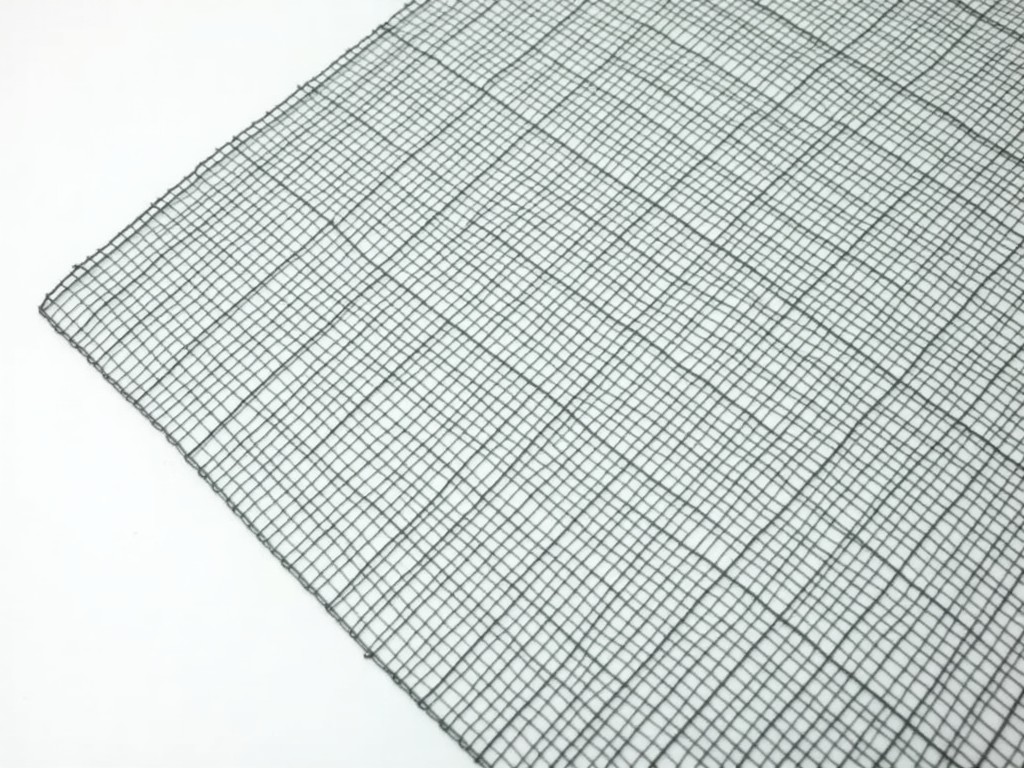
Plain weave wire mesh is a foundational filtration and screening material produced by interlacing warp and weft wires in a simple over-under pattern. This construction creates uniform square openings
Plain Weave Wire Mesh Factory Price
Plain weave wire mesh is a foundational filtration and screening material produced by interlacing warp and weft wires in a simple over-under pattern. This construction creates uniform square openings with consistent pore size distribution, making it suitable for precise particle separation, protective barriers, and structural reinforcement across industrial applications.
The factory price of plain weave wire mesh reflects direct manufacturing costs without intermediary markups. Understanding the technical factors that influence this price enables procurement engineers to evaluate quotations objectively and select specifications that balance performance requirements with budget constraints.
Technical Characteristics Influencing Factory Price
The factory price of plain weave wire mesh is primarily determined by four interrelated technical parameters: wire diameter, opening size, material grade, and roll dimensions. Each parameter affects raw material consumption, weaving complexity, and production throughput, which directly impact manufacturing costs.
Wire diameter is measured in millimeters or gauge and defines the cross-sectional area of the individual filaments. Opening size, expressed as the clear distance between adjacent wires, determines the mesh count (openings per linear inch). Together, these define the open area percentage and pressure drop characteristics critical for filtration efficiency.
Material grade selection—such as stainless steel 304, 316L, or carbon steel—affects both raw material cost and processing requirements. Higher alloy content increases material price but may reduce long-term lifecycle costs in corrosive environments. Roll dimensions (width and length) influence material yield and handling efficiency during production.
Material Options and Cost Implications
The choice of base material significantly affects both the initial factory price and the total cost of ownership. Stainless steel grades offer corrosion resistance suitable for wet or chemical environments, while carbon steel provides higher tensile strength at lower initial cost for dry, non-corrosive applications.
Specialty alloys such as Hastelloy, Monel, or titanium are available for extreme conditions but carry substantial price premiums due to raw material scarcity and specialized processing requirements. For most industrial screening and filtration tasks, 304 and 316L stainless steel provide the optimal balance of durability and cost.
Surface treatments like annealing, passivation, or electropolishing can be applied post-weaving to enhance performance characteristics. These processes add incremental cost but may be necessary to meet specific industry standards (e.g., FDA, ASME) or to reduce fouling in aggressive media.
Typical Factory Price Ranges by Specification
| Specification | Wire Diameter (mm) | Opening Size (mm) | Material | Factory Price Range (USD/m²) |
|---|---|---|---|---|
| Fine Filtration | 0.10–0.20 | 0.15–0.30 | SS 316L | 45–75 |
| Medium Screening | 0.30–0.50 | 0.50–1.50 | SS 304 | 22–38 |
| Heavy-Duty Separation | 0.80–1.50 | 2.00–5.00 | Carbon Steel | 12–25 |
| Structural Reinforcement | 1.50–3.00 | 5.00–15.00 | SS 304 or Galvanized | 18–32 |
*Price ranges are indicative and based on standard roll widths (1.0–1.5m) and lengths (20–50m). Final pricing depends on exact dimensions, material grade, surface treatment, and order volume. Custom specifications available upon request.
Applications Where Technical Specifications Dictate Value
In chemical processing, plain weave mesh with 316L stainless steel and 0.20mm wire diameter is used for catalyst retention in fixed-bed reactors. The precise opening size prevents catalyst fines migration while maintaining sufficient flow capacity for efficient reaction kinetics.
Food and beverage manufacturers specify 304 stainless steel mesh with 0.40mm wire and 1.0mm openings for inline strainers. This configuration removes particulate contaminants without creating excessive pressure drop, ensuring compliance with hygienic design standards while minimizing energy consumption in pumping systems.
Aggregate producers use galvanized carbon steel mesh with 2.0mm wire and 10mm openings as deck media in vibrating screens. The combination of high tensile strength and abrasion resistance extends screen life in high-impact environments, reducing downtime and maintenance costs per ton of processed material.
Architectural applications utilize plain weave mesh as infill panels for balustrades or solar shading. Here, aesthetic consistency and long-term dimensional stability are prioritized, often specifying annealed 316L with uniform tension to prevent sagging or visual distortion over time.
Quality Control and Consistency Factors
Factory price competitiveness must be evaluated alongside quality assurance protocols. Variations in wire diameter tolerance, opening uniformity, or edge straightness can significantly affect performance in precision applications, potentially leading to process failures or increased scrap rates.
Reputable manufacturers implement inline monitoring during weaving to maintain wire tension and pick count within specified tolerances. Post-production inspection includes optical measurement of opening dimensions, tensile testing of wire samples, and visual defect screening under standardized lighting.
Material traceability is maintained through mill certifications that verify chemical composition and mechanical properties. For critical applications, additional testing such as intergranular corrosion assessment (for stainless steel) or zinc coating weight verification (for galvanized steel) may be performed and documented.
These quality controls increase manufacturing costs but reduce the risk of field failure. Procurement engineers should request inspection certificates and test reports as part of the quotation evaluation process to ensure the factory price reflects true value, not just low cost.
Customization and Volume Pricing Considerations
Factory pricing structures typically include volume breaks where unit cost decreases with increasing order quantity. This reflects reduced setup time per unit and improved material yield optimization. However, non-standard widths or lengths may incur cutting or edging charges that affect the base price.
Custom specifications such as non-square openings, dual-layer laminates, or integrated framing require additional engineering and setup time. These modifications are priced based on the specific deviation from standard production parameters, not as a flat percentage increase.
For ongoing projects, establishing a blanket purchase agreement with defined technical specifications can lock in factory pricing while allowing flexible release schedules. This approach reduces administrative overhead and protects against short-term material market fluctuations.
To obtain an accurate factory price quotation for plain weave wire mesh tailored to your project requirements, please provide the following technical details:
- Wire diameter (mm or gauge)
- Opening size or mesh count (openings per inch)
- Material grade (e.g., SS 304, 316L, carbon steel, galvanized)
- Roll width and length (m)
- Any required surface treatments (annealing, passivation, etc.)
- Order quantity and delivery timeline
Submit your specifications via the technical inquiry form to receive a detailed breakdown of material, processing, and logistics costs. Our engineering team will review your requirements and provide a factory-direct quotation with lead time and packaging options.
Request Factory Price Quotation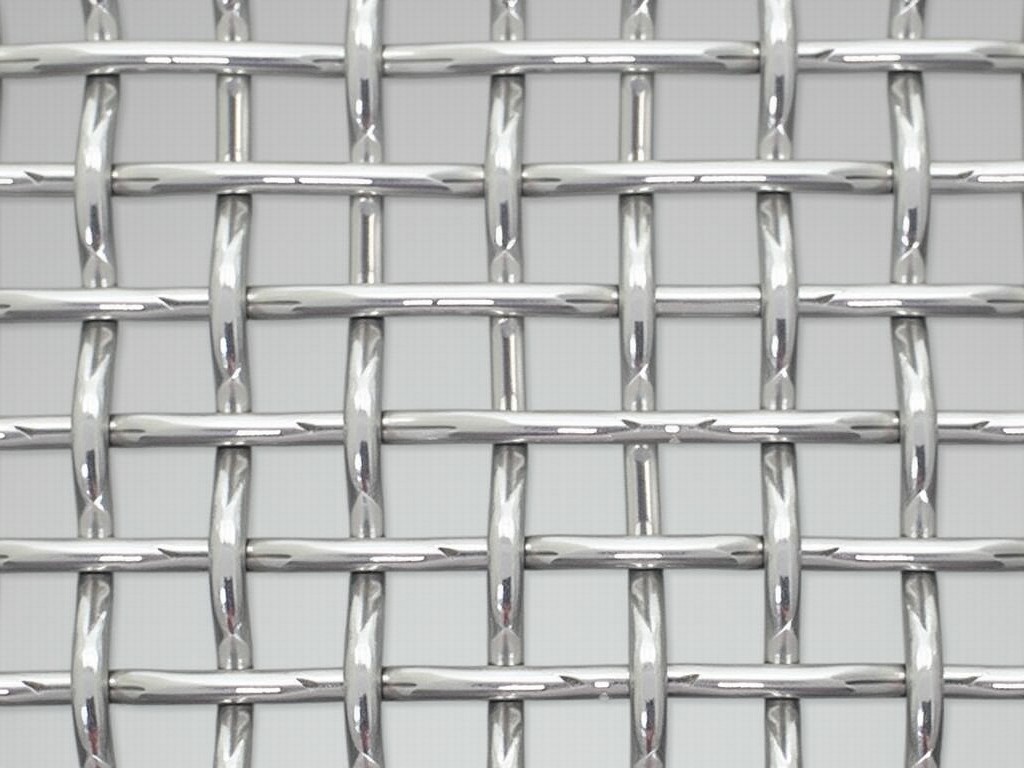
Product Categories


Send Inquiry
If you are interested in our products, leave your information here and we will be in touch shortly.