Pvc Coated Welded Wire Mesh Factory Price
Understanding the factors that influence the factory price of PVC coated welded wire mesh requires examining the technical specifications, material inputs, and manufacturing processes that determine
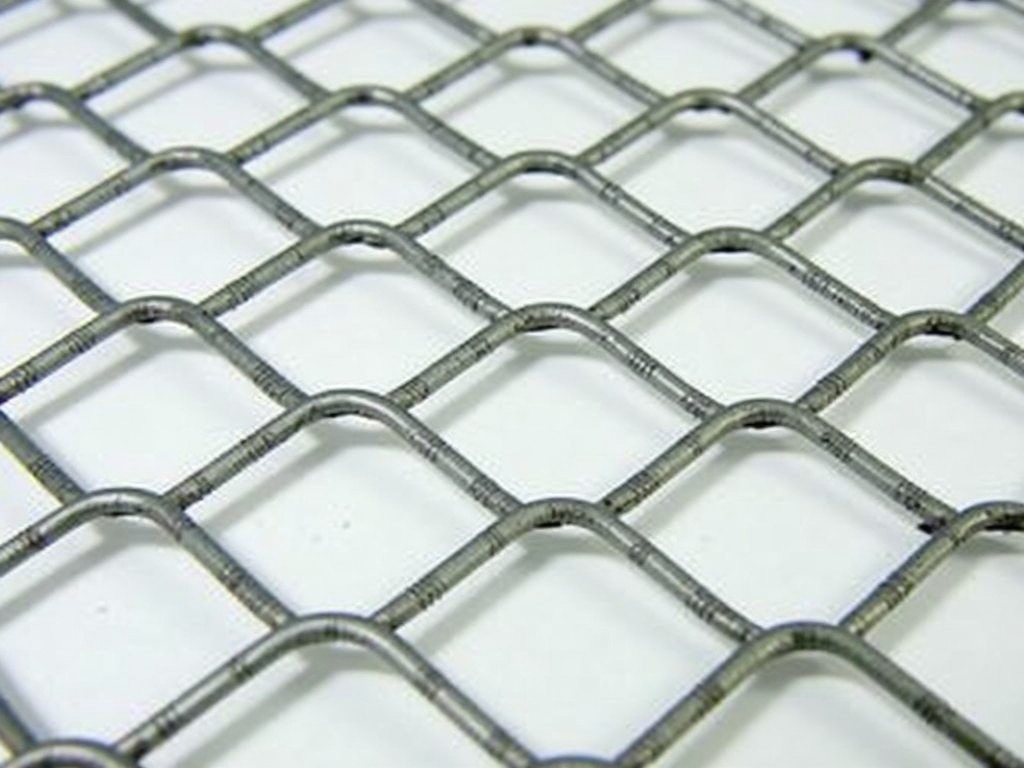
PVC Coated Welded Wire Mesh Factory Price
Understanding the factors that influence the factory price of PVC coated welded wire mesh requires examining the technical specifications, material inputs, and manufacturing processes that determine cost. This page explains how these elements interact to affect pricing, helping buyers evaluate quotations based on engineering parameters rather than generic claims.
Material Composition and Cost Drivers
The base wire for PVC coated welded wire mesh is typically low-carbon steel, selected for its weldability and tensile strength after drawing. Wire diameter, commonly ranging from 1.0mm to 4.0mm, directly impacts material consumption and thus cost. Thicker wires increase both raw material expense and welding energy requirements, while finer diameters reduce material use but may require tighter process controls to maintain weld integrity.
The PVC coating adds a polymer layer that influences both performance and price. Coating thickness, usually between 0.3mm and 0.8mm per side, is measured in microns and affects material usage, extrusion line speed, and adhesion quality. Thicker coatings enhance corrosion resistance and UV stability but increase material cost and may require slower line speeds to ensure uniform coverage, impacting production efficiency.
Mesh Geometry and Manufacturing Variables
Aperture size and panel dimensions are critical geometric factors affecting price. Smaller apertures (e.g., 12.7mm x 12.7mm) require more weld points per square meter, increasing welding time, electrode wear, and energy consumption. Larger apertures (e.g., 50mm x 50mm or 75mm x 50mm) reduce weld density but may necessitate heavier wire to maintain structural rigidity, shifting cost from welding to material.
Panel size influences handling and packaging logistics. Standard rolls (e.g., 1m x 10m or 1.2m x 20m) optimize material yield and minimize scrap during slitting. Custom lengths or widths increase edge waste and may require secondary cutting, adding labor and machine time. Panel weight, determined by wire diameter, aperture, and coating, affects palletizing stability and freight density, indirectly influencing landed cost.
Production Process and Cost Structure
The manufacturing sequence—wire drawing, welding, cleaning, priming, extrusion, and cooling—each contributes to factory cost. Wire drawing consumes energy based on reduction ratio and die wear. Welding cost depends on weld frequency, duration, and electrode maintenance. Pre-treatment (cleaning and priming) ensures coating adhesion and involves chemical consumption and wastewater handling. Extrusion cost is driven by PVC resin price, line speed, and cooling efficiency.
Quality control adds non-material cost but prevents rework and field failure. In-line monitoring of weld tensile strength, coating thickness (via magnetic or eddy current gauges), and aperture consistency reduces defect rates. Batch testing for adhesion (e.g., cross-hatch test per ASTM D3359) and flexibility (mandrel bend) verifies coating integrity. These checks are factored into overhead but reduce long-term warranty and replacement risk.
Typical Price Influencers Table
| Factor | Impact on Factory Price | Typical Range or Consideration |
|---|---|---|
| Wire Diameter | Direct material and energy cost | 1.0mm – 4.0mm; cost increases ~linearly with diameter squared |
| PVC Coating Thickness | Material usage and line speed | 0.3mm – 0.8mm per side; thicker coating raises cost but improves durability |
| Aperture Size | Weld density and wire requirement | 12.7mm – 100mm; smaller apertures increase weld count, larger may need heavier wire |
| Panel Dimensions | Yield, handling, and packaging | Standard rolls optimize yield; custom sizes increase scrap and labor |
| Order Volume | Setup amortization and material pricing | Lower unit cost at higher volumes due to reduced changeover and bulk resin pricing |
Applications Informing Specification Choices
In agricultural fencing, the mesh must contain livestock while resisting corrosion from soil moisture and fertilizers. Here, a 2.0mm or 2.5mm wire with 50mm x 50mm or 50mm x 100mm apertures and a 0.5mm PVC coating provides adequate strength and longevity. The coating prevents rust-induced weakening at weld points, which is critical for structural integrity over years of tension and impact.
For concrete reinforcement in precast elements or slab-on-grade applications, the mesh acts as a tensile distributor. Smaller apertures (e.g., 100mm x 100mm or 150mm x 150mm) with 3.0mm or 4.0mm wire are common, though PVC coating is less typical here unless alkaline resistance is needed. When used, the coating must withstand concrete’s high pH; specialized PVC formulations or pre-coated wire may be specified, affecting cost.
In security fencing for industrial perimeters, anti-climb design often uses small apertures (e.g., 12.7mm x 12.7mm or 25mm x 25mm) with 2.0mm–2.5mm wire. The PVC coating serves dual purposes: corrosion prevention and reducing surface abrasion to minimize injury risk. Thicker coatings (0.6mm–0.8mm) are common in high-humidity or coastal environments, where chloride resistance extends service life, justifying higher upfront cost through lower lifecycle expense.
Evaluating Factory Price Quotations
When comparing quotations, buyers should request detailed specifications beyond price per square meter or kilogram. Key parameters include wire diameter (ASTM A1064 or equivalent), tensile strength of base wire, coating thickness and type (homogeneous PVC vs. compounded), adhesion rating, and aperture tolerance. A lower price may reflect thinner wire, inconsistent coating, or wider aperture tolerance—factors that reduce performance and increase long-term risk.
Volume breaks, tooling amortization, and logistics terms (EXW, FOB, CIF) significantly affect quoted factory price. A quotation based on EXW excludes packing and freight, while CIF includes them. Clarifying delivery point and payment terms avoids misunderstanding. Additionally, sample approval processes and third-party inspection options (e.g., SGS, BV) should be confirmed, as they add cost but provide verification.
To initiate a technical discussion or request a quotation based on specific project requirements, contact our engineering team. Provide details on intended use, environmental exposure, required lifespan, and any regulatory standards. We will respond with a detailed specification sheet and factory price breakdown tailored to your application.
Request Technical Quotation
Product Categories


Send Inquiry
If you are interested in our products, leave your information here and we will be in touch shortly.