Stainless Steel Crimped Wire Mesh Panel
Stainless steel crimped wire mesh panels are engineered for demanding industrial environments where corrosion resistance, structural integrity, and consistent aperture control are critical. The
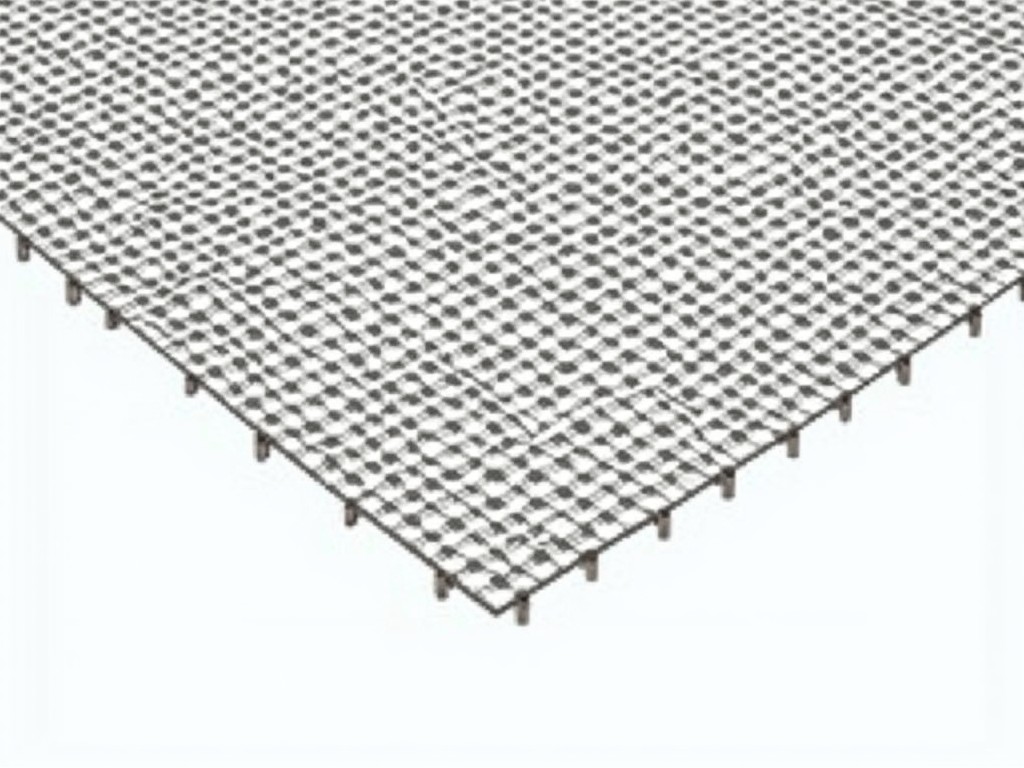
Stainless Steel Crimped Wire Mesh Panel
Stainless steel crimped wire mesh panels are engineered for demanding industrial environments where corrosion resistance, structural integrity, and consistent aperture control are critical. The crimping process introduces precise bends at each wire intersection, locking the weave in place and preventing lateral movement under load or vibration.
This mechanical interlock enhances dimensional stability compared to plain weave meshes, making crimped panels suitable for applications involving repeated stress, thermal cycling, or exposure to abrasive media.
Material Composition and Corrosion Performance
Commonly fabricated from austenitic stainless steels such as 304 (UNS S30400) and 316L (UNS S31603), these panels derive their corrosion resistance from a passive chromium oxide layer that self-repairs in oxidizing environments. The addition of molybdenum in 316L significantly improves resistance to chlorides and reducing acids, making it preferable for marine, chemical processing, and wastewater applications.
Wire diameter typically ranges from 0.5 mm to 6.0 mm, with tensile strength values between 500–1000 MPa depending on grade and cold work level. The crimping process does not alter the base material’s corrosion properties but does introduce localized stress concentrations at bend points, which are mitigated through proper alloy selection and stress-relief annealing when required.
For high-temperature service above 400°C, stabilized grades like 321 or 347 may be specified to resist sensitization and intergranular corrosion, particularly in prolonged thermal exposure scenarios.
Weave Patterns and Aperture Control
The crimp configuration—whether plain crimp, intermediate crimp, or lock crimp—directly influences mesh rigidity, open area percentage, and flow dynamics. Plain crimp features symmetrical bends at every intersection, offering balanced stiffness in both warp and weft directions. Intermediate crimp uses larger crimps on heavier wires to maintain alignment in coarse meshes, while lock crimp incorporates opposing bends that physically interlock wires, maximizing resistance to displacement.
Aperture size is defined by the clear opening between adjacent wires and is calculated as: Aperture = Mesh Count-1 – Wire Diameter. For example, a 4 mesh panel with 2.0 mm wire has an approximate aperture of 4.35 mm. Tolerances on aperture width are typically held to ±10% of nominal, depending on wire diameter and crimp precision, ensuring consistent performance in filtration, screening, and shielding applications.
Open area percentage—critical for pressure drop and flow rate calculations—can exceed 60% in coarse meshes with large apertures, directly impacting efficiency in fluid dynamics and particulate separation systems.
Typical Industrial Applications
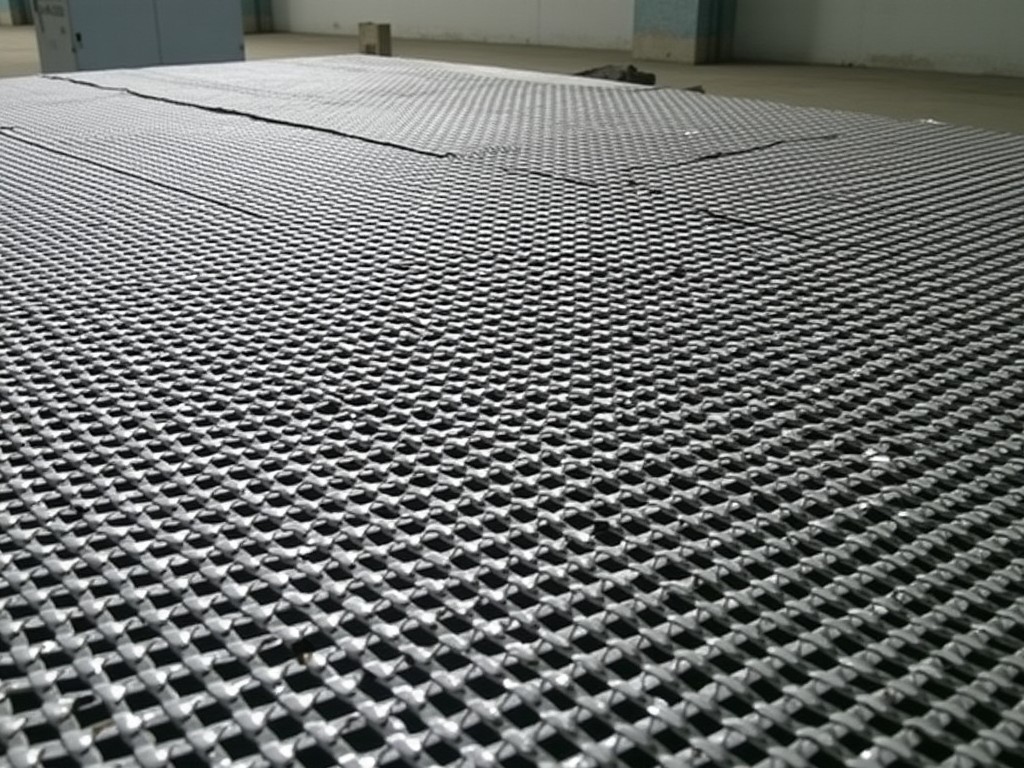
In aggregate processing, stainless steel crimped wire mesh panels serve as durable screen media in vibratory separators, where resistance to blinding and pegging is essential. The rigid structure maintains screen tension over extended run times, reducing downtime for re-tensioning or replacement compared to softer mesh types.
Architectural and safety applications utilize these panels as infill for balustrades, machine guards, and ventilation screens. The aesthetic uniformity of the crimped weave, combined with inherent strength, allows for spans up to 1.2 meters without intermediate support when using 3.0 mm wire or thicker, meeting typical load requirements for pedestrian barriers.
Chemical and pharmaceutical plants deploy crimped mesh in catalyst retainers, filter housings, and fluid distributors. The non-contaminating surface, ease of cleaning (CIP/SIP compatible), and resistance to both organic solvents and inorganic alkalis support compliance with hygienic design standards such as 3-A SSI and ASME BPE.
Comparison: Crimped vs. Plain Weave Mesh
| Property | Crimped Wire Mesh | Plain Weave Mesh |
|---|---|---|
| Structural Stability | High – crimp locks wires, resists shear and vibration | Low – wires can shift under load, altering aperture |
| Aperture Consistency | Excellent – minimal deformation under stress | Good – prone to elongation and narrowing |
| Installation Tension | Maintains uniform tension over large areas | Requires frequent re-tensioning in vibratory service |
| Flow Dynamics | Predictable open area; lower pressure drop variance | Variable aperture affects flow consistency |
| Typical Use Case | Heavy-duty screening, architectural panels, catalyst beds | Low-stress filtration, insect screens, decorative filters |
Customization and Fabrication Options
Panels are produced to customer-specified dimensions, with standard widths up to 2.0 meters and lengths limited only by handling constraints. Edge treatments include folded, welded, or fringed finishes, selected based on installation method and safety requirements. Fringed edges facilitate lapping in large-area installations, while welded borders provide a rigid frame for direct bolting or clamping.
Custom aperture profiles—such as tapered or graded meshes—can be engineered for specialized flow distribution or particle separation efficiency. Surface treatments like electropolishing or passivation are available upon request to enhance surface smoothness and corrosion resistance in hygienic or high-purity environments.
Tolerances on overall panel dimensions are typically held to ±3 mm, with squareness deviations less than 2 mm per meter, ensuring compatibility with modular framing systems and OEM equipment.
Quality Control and Inspection
Each panel undergoes dimensional verification using calibrated gauges to confirm wire diameter, pitch, and aperture width across multiple test points. Visual inspection under standardized lighting identifies weaving defects such as skips, double picks, or crimp misalignment. For critical applications, open area verification via image analysis or air permeability testing may be performed to validate functional performance.
Material traceability is maintained through mill test reports (MTRs) that confirm chemical composition and mechanical properties of the base wire. Non-destructive evaluation methods, including magnetic permeability testing for austenitic grades, help verify material integrity and detect unintended phase changes from fabrication processes.
Packaging employs corrosion-inhibiting materials and humidity-resistant barriers for export shipments. Panels are stacked flat or rolled on rigid cores depending on aspect ratio, with edge protection to prevent deformation during transit and handling.
For technical inquiries, custom specifications, or quotation requests, please contact our engineering team.
Request Technical Specification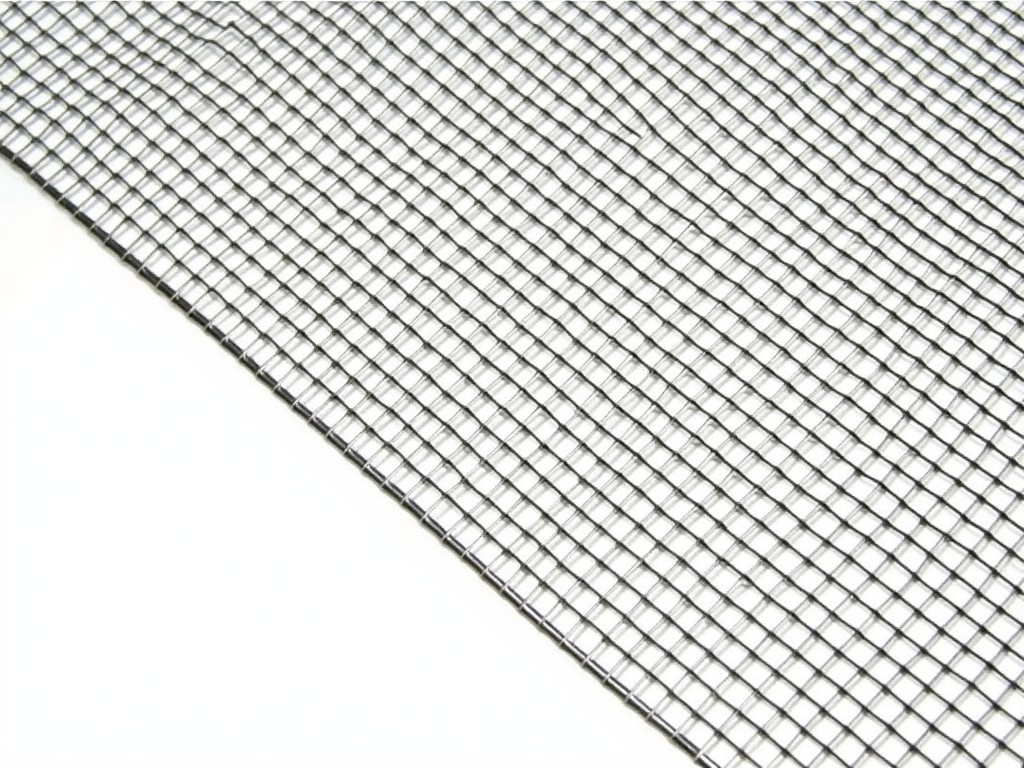
Product Categories


Send Inquiry
If you are interested in our products, leave your information here and we will be in touch shortly.