Vinyl Coated Woven Polyester Mesh Fabric
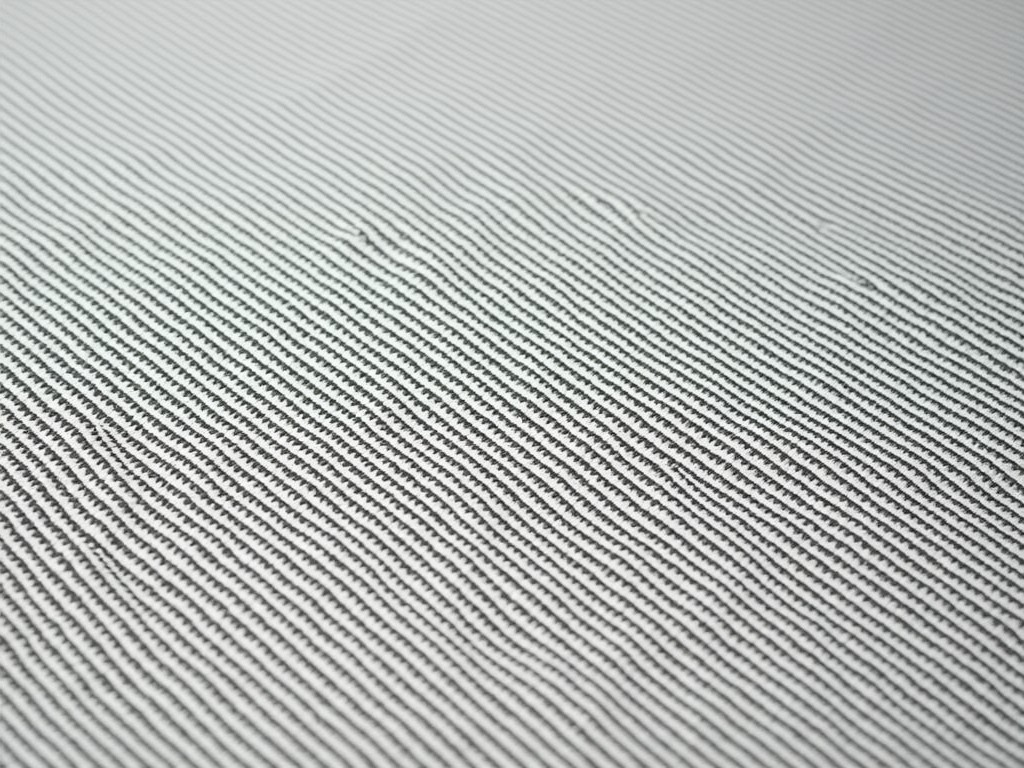
Vinyl coated woven polyester mesh fabric combines high-tenacity polyester yarns with a protective polyvinyl chloride (PVC) coating to create a durable, weather-resistant material used in industrial
Vinyl Coated Woven Polyester Mesh Fabric
Vinyl coated woven polyester mesh fabric combines high-tenacity polyester yarns with a protective polyvinyl chloride (PVC) coating to create a durable, weather-resistant material used in industrial filtration, protective barriers, and architectural applications. The coating enhances abrasion resistance, UV stability, and chemical resistance while maintaining the fabric’s open mesh structure for airflow or fluid passage. This product is selected when long-term performance under outdoor or harsh environmental conditions is required.
Material Construction and Coating Technology
The base fabric is woven from continuous filament polyester yarns, typically with a denier range of 840 to 1680 dtex, providing tensile strength between 2000 and 5000 N/5cm depending on weave density and yarn count. The PVC coating is applied via knife-over-roll or dip-coating processes, resulting in a uniform layer thickness of 0.2 to 0.5 mm per side. This coating bonds mechanically and chemically to the polyester fibers, preventing delamination under flexing or thermal cycling.
Coating formulation includes plasticizers for flexibility, UV stabilizers to resist degradation from sunlight, and fungicides to inhibit microbial growth in humid environments. The resulting composite exhibits a nominal weight range of 300 to 600 g/m², with thickness varying from 0.5 to 1.0 mm. Unlike untreated polyester, the vinyl coating significantly reduces water absorption and provides a barrier against oils, mild acids, and alkalis commonly found in industrial settings.
Performance Characteristics
Tensile strength in the warp and weft directions typically exceeds 2500 N/5cm after coating, with elongation at break below 30%, indicating high dimensional stability under load. Tear strength, measured via trapezoid method, averages 150–300 N, sufficient to resist propagation of small punctures or snags. The fabric retains flexibility down to -20°C and resists softening up to 60°C, making it suitable for outdoor use in temperate to subtropical climates.
UV exposure testing (ASTM G154) shows less than 20% tensile strength loss after 1000 hours of UV-A/B radiation, significantly outperforming uncoated polyester mesh. Water resistance is demonstrated by hydrostatic head values exceeding 1000 mm, preventing seepage in applications like pond liners or drainage covers. Air permeability ranges from 100 to 500 L/m²/s depending on mesh opening size, allowing for ventilation while maintaining barrier integrity.
Mesh Specifications and Customization Options
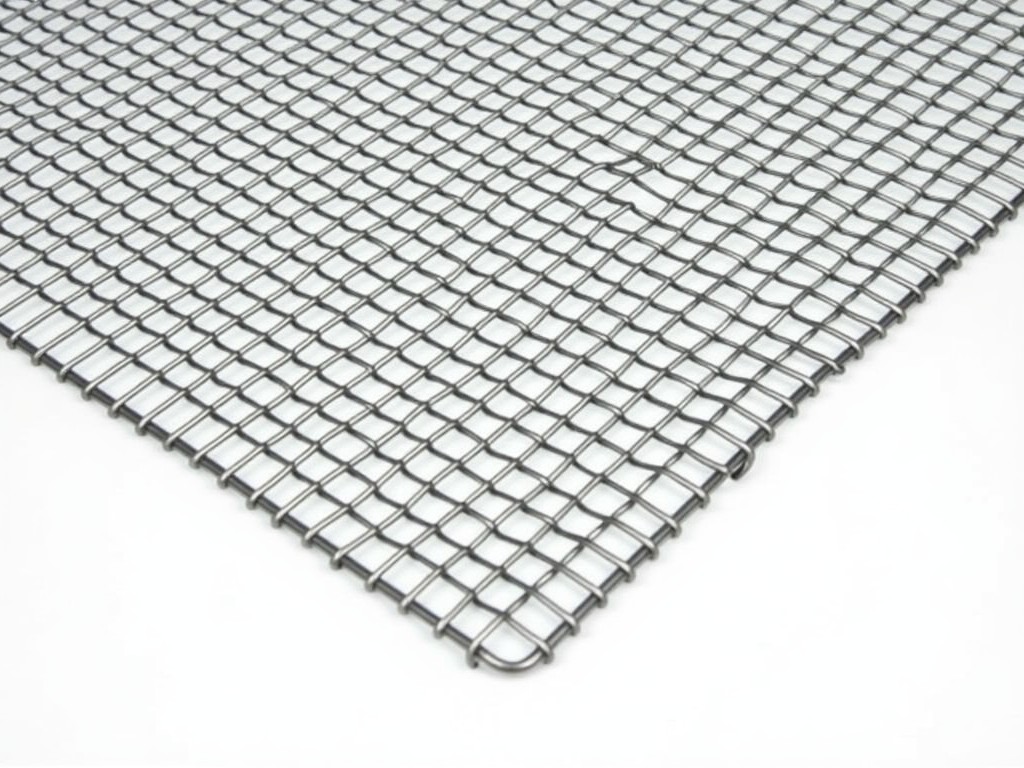
Mesh opening size is defined by wire count and weave pattern, with common configurations ranging from 2×2 mm to 10×10 mm square apertures. Open area percentage varies from 30% to 70%, directly influencing flow rates and visibility. Weave patterns include plain, twill, and Dutch weaves, each affecting flow dynamics and mechanical properties — plain weave offers balanced strength, while Dutch weave provides finer filtration at the cost of reduced open area.
Coating color is customizable, with standard options including black, white, gray, and green; custom colors are available upon request for branding or camouflage requirements. Widths are typically supplied in rolls of 1.0 m, 1.25 m, 1.5 m, or 2.0 m, with slit widths available down to 100 mm. Lengths are custom-cut to project specifications, with standard rolls ranging from 25 m to 50 m to minimize handling and waste during installation.
Industrial Applications
In wastewater treatment, this fabric serves as a pre-filter screen to remove debris before fine filtration, protecting pumps and membranes from clogging. Its chemical resistance allows prolonged exposure to effluent containing detergents, oils, and mild oxidants without degradation. The open mesh design enables high flow rates while capturing particles larger than the aperture size, reducing maintenance frequency compared to solid screens.
For agricultural use, it functions as insect netting in greenhouse ventilation systems, where UV stability prevents brittleness over multiple growing seasons. The coating resists pesticide sprays and fertilizer runoff, extending service life beyond untreated polyethylene nets. In construction, it is used as safety debris netting on scaffolding, where its tear resistance and UV stability meet OSHA-compliant fall protection guidelines when properly installed.
Architectural applications include shade sails and windbreak screens, where the fabric’s dimensional stability prevents sagging under tension, and its coating resists fading and staining from airborne pollutants. The material’s fire-retardant variants (achieved through additive packages) are specified in public spaces requiring compliance with NFPA 701 or ASTM E84 standards. These uses rely on the fabric’s ability to maintain mechanical properties after years of outdoor exposure.
Quality Control and Testing
Raw polyester yarns are inspected for tensile strength, elongation, and linear density before weaving. Post-weaving, the greige fabric undergoes width and pick count verification to ensure dimensional consistency. Coating adhesion is tested via peel strength (ASTM D903), with minimum values of 5 N/mm required to prevent delamination during flexing or impact.
Finished rolls are sampled for weight per unit area, thickness, coating uniformity, and color consistency using spectrophotometric analysis. Batch testing includes accelerated weathering (UV + humidity), cold crack resistance, and chemical immersion tests to validate long-term performance. Each production lot is accompanied by a test report summarizing key parameters, allowing buyers to verify conformity to specifications.
Comparison with Alternative Materials
| Property | Vinyl Coated Polyester Mesh | Uncoated Polyester Mesh | Polyethylene Mesh |
|---|---|---|---|
| Tensile Strength (N/5cm) | 2500–5000 | 1500–3000 | 1000–2000 |
| UV Resistance (1000 h) | <20% strength loss | >50% strength loss | 30–40% strength loss |
| Water Absorption (%) | <1 | 1–2 | <0.5 |
| Low-Temp Flexibility | -20°C | -20°C | -10°C |
| Chemical Resistance | Good (oils, mild acids) | Limited | Moderate |
Compared to uncoated polyester, the vinyl coating doubles UV resistance and significantly improves tear and abrasion resistance, though it adds slight weight and reduces maximum operating temperature. Polyethylene mesh offers lower cost and better chemical resistance to strong oxidants but lacks the strength and dimensional stability of polyester-based fabrics, making it unsuitable for high-tension or structural applications. The vinyl-coated polyester variant provides the best balance of strength, durability, and weather resistance for long-term outdoor use.
Installation and Handling Guidelines
The fabric should be stored flat or on rolls in a dry, shaded environment to prevent UV degradation and moisture accumulation. Avoid folding sharply, as this can cause coating cracking at crease points; instead, roll with the coating side out to minimize stress. When cutting, use a hot knife or ultrasonic cutter to seal edges and prevent fraying, maintaining coating integrity along the cut line.
For installation, use UV-stabilized polyester or nylon ropes, or aluminum grommets spaced at 300–500 mm intervals to distribute load evenly. Avoid sharp edges or abrasive surfaces that could cut or wear the coating over time. In tension applications, pre-stretch the fabric to 2–3% of its length to minimize creep under sustained load. Regular inspection every 6–12 months is recommended to check for coating wear, UV fading, or seam degradation.
Request Technical Documentation
To receive detailed specifications, test reports, or sample rolls for evaluation, contact our technical team. Provide your application requirements, including environmental exposure, load conditions, and required dimensions, to ensure accurate material selection. We support custom coating formulations, width slitting, and length cutting to meet project-specific needs.
Product Categories


Send Inquiry
If you are interested in our products, leave your information here and we will be in touch shortly.