Buy Stainless Steel Surgical Wire
Selecting the correct surgical wire requires understanding material properties, dimensional tolerances, and surface characteristics that directly impact biocompatibility, fatigue resistance, and
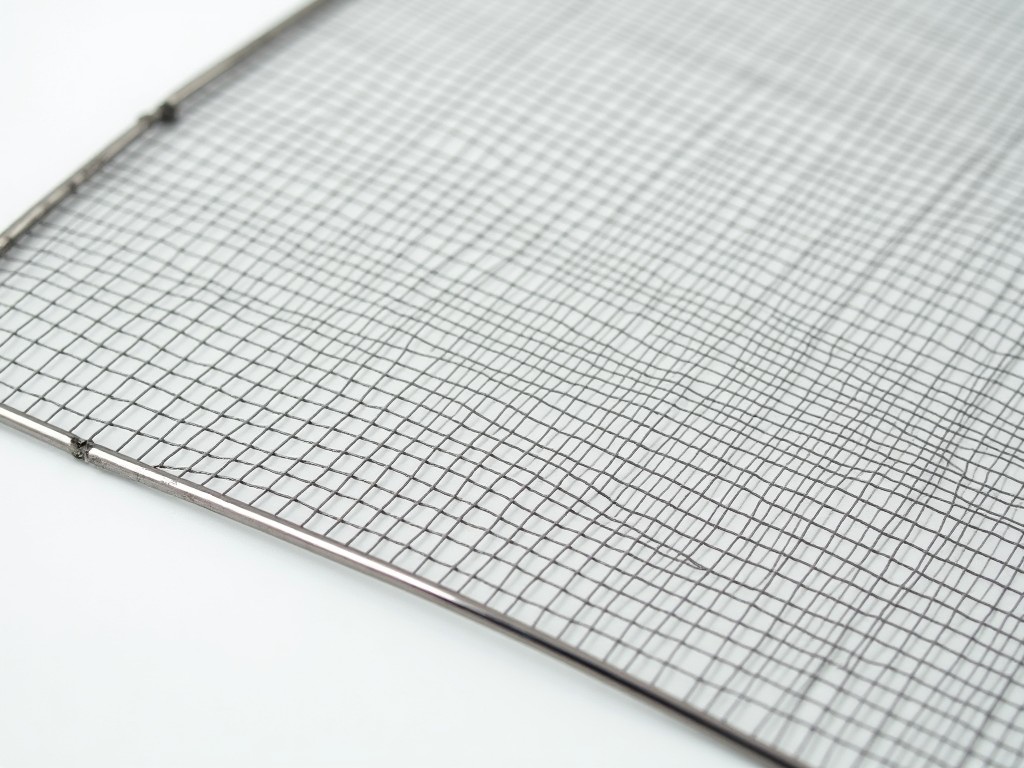
Stainless Steel Surgical Wire for Medical Device Manufacturing
Selecting the correct surgical wire requires understanding material properties, dimensional tolerances, and surface characteristics that directly impact biocompatibility, fatigue resistance, and sterilization compatibility. This page details the technical specifications and manufacturing considerations for austenitic stainless steel wire used in implantable and non-implantable medical devices.
Material Composition and Mechanical Properties
Surgical wire is typically produced from ASTM F138 (ISO 5832-1) or ASTM F139 grades, which are low-carbon, nickel-chromium-molybdenum austenitic stainless steels. These compositions provide a balance of corrosion resistance in physiological environments and sufficient ductility for drawing to fine diameters. The nickel content (12-14%) stabilizes the austenitic phase, while molybdenum (2-3%) enhances pitting resistance in chloride-containing environments like saline or blood.
Mechanical properties are controlled through cold working and annealing processes. Typical tensile strength ranges from 800 to 2000 MPa depending on diameter and temper, with elongation between 10-35%. For example, 0.5 mm diameter wire in spring temper may achieve 1800 MPa tensile strength with 12% elongation, suitable for applications requiring high fatigue resistance such as orthopedic fixation cables.
Surface finish is critical for minimizing tissue irritation and thrombogenic potential. Wire is commonly supplied in a passivated state, achieving a surface roughness (Ra) of 0.1-0.4 μm after electropolishing or precision grinding. This reduces protein adsorption and microbial adhesion compared to mechanically polished surfaces.
Diameter Tolerances and Dimensional Control
Surgical wire diameters are controlled to tight tolerances due to their use in precision applications like sutures, guidewires, and orthopedic cables. Standard tolerances follow ISO 9606 or ASTM F2229, where ±0.005 mm is common for diameters under 1.0 mm, and ±0.01 mm for diameters between 1.0-3.0 mm. These tolerances ensure consistent performance in automated assembly processes and predictable mechanical behavior.
Out-of-roundness (ovalidad) is typically held below 2% of diameter to prevent stress concentrations during bending or coiling. For guidewire applications, concentricity between core and coating layers (if applicable) is maintained within ±0.002 mm to ensure consistent flexibility and torque transmission.
Length control is equally important; wire is supplied on precision-wound spools or in straight cut lengths with end squareness within 0.5 degrees. Spools are engineered to minimize axial and radial runout (<0.1 mm TIR) to prevent tension variations during high-speed deployment.
Surface Treatments and Coatings
While bare stainless steel wire suffices for many applications, surface modifications enhance functionality. Passivation (per ASTM A967) removes free iron and forms a stable chromium oxide layer, improving corrosion resistance. Electropolishing further smooths the surface, reducing Ra by 30-50% compared to mechanical polishing alone, which is beneficial for minimizing platelet adhesion in cardiovascular devices.
Polymer coatings such as PTFE, silicone, or polyurethane are applied via dip or extrusion methods to provide lubricity, insulation, or biocompatibility barriers. Coating thickness is typically 5-20 μm, with adhesion validated through ASTM D3359 tape testing. For drug-eluting wires, micro-porous coatings enable controlled release of agents like sirolimus or paclitaxel over defined periods.
Alternative surface treatments include ion implantation or plasma spraying to modify surface hardness or bioactive properties without altering bulk dimensions. These processes are selected based on device functionality and require validation per ISO 10993 standards for biocompatibility.
Typical Applications in Medical Devices
Surgical wire is selected based on the mechanical demands and environmental exposure of the final device. In orthopedic implants, cables and cerclage wires (0.8-1.6 mm diameter) provide dynamic compression across fractures, requiring high tensile strength and fatigue resistance to withstand cyclic loading during healing. The wire’s ability to maintain tension over time is critical for preventing loosening.
In cardiovascular devices, guidewires (0.25-0.9 mm diameter) navigate vasculature to deliver stents or catheters. Here, a combination of stiffness (for pushability) and flexibility (for torqueability) is essential, achieved through precise control of temper and diameter along the wire’s length. The stainless steel core provides column strength while polymer coatings reduce friction against vessel walls.
Sutures and ligation clips use finer wires (0.05-0.3 mm) where ductility and knot security are paramount. The material must withstand repeated bending during tying without work-hardening to brittleness. For endoscopic retrievable devices, wire forms the structural backbone of baskets or graspers, requiring resilience after repeated deformation cycles.
Quality Control and Inspection Protocols
Each batch undergoes dimensional verification using laser micrometers or optical comparators at multiple points along the spool. Tensile testing is performed per ASTM F382 on samples taken from both inner and outer layers of the spool to detect any variation due to winding stress. Results are documented with traceability to the specific heat lot and processing parameters.
Surface analysis includes profilometry for roughness, contact angle measurement for wettability, and spectroscopy (XPS or AES) for passivation layer thickness and composition. For coated wires, thickness is measured via micrometer cross-section or beta backscatter, while adhesion and flexibility are tested per ASTM D522 (mandrel bend) and ASTM D2794 (impact resistance).
Biocompatibility validation is not performed on the wire alone but as part of the final device assessment per ISO 10993-1. However, suppliers provide material certification (ISO 10993-5, -10) and documentation confirming compliance with ASTM F138/F139, including delta ferrite content (<2%) to avoid magnetic properties that could interfere with MRI.
Customization Options and Ordering Information
Stainless steel surgical wire is available in diameters ranging from 0.05 mm to 3.0 mm, with temper options including annealed, quarter-hard, half-hard, full-hard, and spring temper. Spools are typically supplied in 0.5 kg, 1 kg, or 5 kg net weights, wound on corrosion-resistant polypropylene or stainless steel cores to prevent contamination. Straight cut lengths are available from 50 mm to 3000 mm with tolerance ±0.5 mm.
Coating options include PTFE (lubricity coefficient <0.1), silicone (durometer 20-80 Shore A), and antimicrobial agents such as silver-ion compounds. Custom packaging options involve vacuum sealing in ISO Class 7 cleanroom environments with desiccant to prevent oxidation during transit and storage.
Minimum order quantities vary by diameter and coating complexity, typically starting at 1 kg for standard bare wire and 5 kg for coated variants. Lead times range from 2-4 weeks for stock items to 6-8 weeks for custom temper or coating requirements. Samples (up to 10 m) are available upon request for evaluation, with full material test reports provided.
| Parameter | Typical Range | Notes |
|---|---|---|
| Diameter | 0.05 – 3.0 mm | Tolerances: ±0.005 mm (<1.0 mm), ±0.01 mm (1.0-3.0 mm) |
| Tensile Strength | 800 – 2000 MPa | Dependent on diameter and temper |
| Elongation | 10 – 35% | Higher in annealed temper |
| Surface Roughness (Ra) | 0.1 – 0.4 μm | After electropolishing or passivation |
| Coating Thickness | 5 – 20 μm | For PTFE, silicone, or polyurethane |
For technical inquiries, material certification requests, or to discuss specific application requirements such as fatigue testing data, coil set specifications, or regulatory documentation, please contact our engineering team. Provide your target diameter, required temper, coating needs, and intended device classification to receive a tailored quotation and lead time estimate.
More Products

Send Inquiry
If you are interested in our products, leave your information here and we will be in touch shortly.