China Stainless Steel Sealing Wire
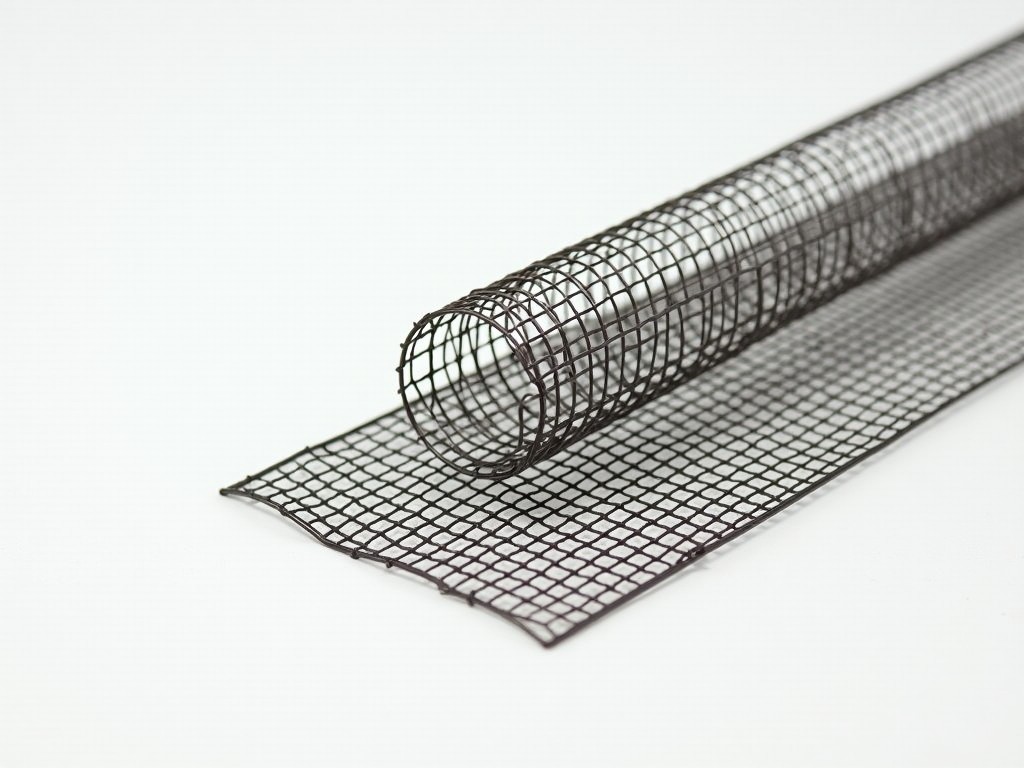
Stainless steel sealing wire is a precision-engineered fastening solution designed for applications requiring both mechanical integrity and environmental resistance. Manufactured from austenitic or
China Stainless Steel Sealing Wire
Stainless steel sealing wire is a precision-engineered fastening solution designed for applications requiring both mechanical integrity and environmental resistance. Manufactured from austenitic or ferritic stainless steel grades, this wire provides consistent tensile strength and corrosion resistance in demanding industrial conditions. Its primary function is to secure closures, valves, containers, or enclosures where tamper evidence, vibration resistance, or long-term sealing performance is critical.
The wire is typically cold-drawn to achieve specific mechanical properties, ensuring dimensional stability and predictable elongation under load. Surface finishes range from bare mill finish to passivated or electropolished states, depending on the required level of surface cleanliness and resistance to pitting or crevice corrosion. Diameters commonly range from 0.5 mm to 3.0 mm, with tolerances controlled to ±0.02 mm for precision applications.
Material Composition and Grades
The most frequently used grades for sealing wire are 304 (A2) and 316 (A4) stainless steel, selected based on the corrosive environment and mechanical demands. Grade 304 offers good resistance to atmospheric oxidation and mild chemicals, making it suitable for general industrial and food processing environments. Grade 316, with added molybdenum, provides superior resistance to chlorides and acidic solutions, often specified in marine, chemical, or pharmaceutical applications.
Ferritic grades such as 430 may be used where magnetic properties are acceptable and cost sensitivity is higher, though they offer lower corrosion resistance than austenitic variants. All grades undergo strict chemical composition control during melting and casting to ensure consistency in chromium, nickel, and carbon content, directly influencing passivation behavior and long-term durability.
Mechanical Properties and Performance Characteristics
Tensile strength for cold-drawn stainless steel sealing wire typically ranges from 800 MPa to 1800 MPa, depending on grade, diameter, and degree of work hardening. Yield strength generally falls between 600 MPa and 1400 MPa, allowing the wire to withstand significant pre-load without permanent deformation. Elongation at break varies from 10% to 25%, providing sufficient ductility for forming loops, knots, or crimps without fracturing.
The wire exhibits excellent fatigue resistance under cyclic loading, a critical factor in applications involving vibration or frequent thermal expansion/contraction. Stress corrosion cracking resistance is particularly important in chloride-containing environments, where grade selection and surface treatment play a decisive role. Hardness values, measured in Rockwell B or C scales, are monitored to ensure compatibility with crimping tools and sealing mechanisms.
Surface Treatments and Finishing Options
Surface condition directly affects both corrosion performance and interaction with sealing components. Common finishes include:
- Bare mill finish: As-produced surface with light oxide layer; suitable for protected environments.
- Passivated: Chemically treated to enhance chromium oxide layer; improves resistance to staining and light corrosion.
- Electropolished: Smooth, microscopically level surface; reduces particle adhesion and improves cleanability in hygienic applications.
- Coated options: Polymer or nylon overcoats available for electrical insulation or additional barrier protection.
Passivation is typically performed per ASTM A967 or AMS 2700 standards, while electropolishing follows ISO 15730 guidelines. These treatments are not cosmetic; they significantly influence the wire’s ability to resist localized attack in aggressive media. Surface roughness (Ra) is often specified below 0.8 µm for electropolished wire used in sanitary systems.
Typical Applications Across Industries
In the food and beverage industry, stainless steel sealing wire secures tank manways, valve locks, and container lids where hygiene and corrosion resistance are non-negotiable. The wire’s smooth finish minimizes bacterial harborage, and its compatibility with CIP (clean-in-place) systems ensures long-term usability without degradation.
Within chemical processing plants, it is used to seal reactor lids, piping flanges, and safety relief valve settings. Here, resistance to pitting and crevice corrosion from acids, alkalis, or solvents is essential. The wire maintains integrity even when exposed to intermittent splashes or vapor phases of corrosive substances.
In energy and power generation, sealing wire secures transformer access panels, switchgear enclosures, and instrument housings. Its non-magnetic option (using austenitic grades) prevents interference with sensitive instrumentation, while its fire-resistant properties add safety in high-temperature zones.
Transportation and logistics sectors utilize the wire for tamper-evident sealing of cargo containers, tanker valves, and hazardous material drums. The combination of tensile strength and corrosion resistance ensures that seals remain intact during long-haul transit across varying climates and handling conditions.
Customization and Dimensional Control
Stainless steel sealing wire is available in a range of diameters, tensile grades, and surface finishes to match specific application requirements. Custom spooling options include precision lay patterns to prevent tangling during automated feeding systems. Lengths can be supplied as continuous coils, pre-cut lengths, or with pre-formed loops or eyes for rapid installation.
Tolerance control is critical in high-speed assembly or robotic applications. Diameter consistency within ±0.02 mm ensures reliable performance in crimping tools and sealing fixtures. Straightness and cast (helical tendency) are also controlled to minimize deployment issues in automated systems.
Packaging options include anti-static spools, vacuum-sealed bags for moisture-sensitive grades, or corrosion-inhibiting vapor (VCI) liners for extended storage. Labeling includes grade, diameter, finish, heat number, and applicable standards for full traceability.
Quality Assurance and Testing Protocols
Quality control begins with raw material certification, verifying chemical composition against EN 10088 or ASTM A240 standards. In-process monitoring includes diameter measurement via laser gauging, tensile testing of samples from each batch, and surface inspection for defects such as scratches, pits, or drawing marks.
Finished wire undergoes additional validation: salt spray testing (ASTM B117) for corrosion resistance, flex fatigue testing to simulate cyclic loading, and decarburization checks to ensure surface integrity. For electropolished wire, surface roughness and cleanliness are verified using profilometry and wipe testing.
All products are accompanied by mill test reports (MTRs) documenting chemical and mechanical properties. Traceability is maintained from melt to final shipment, supporting compliance with industry-specific requirements such as FDA, 3A, or ASME BPE where applicable.
Comparison Table: Standard Sealing Wire Specifications
| Property | 304 Stainless Steel Wire | 316 Stainless Steel Wire |
|---|---|---|
| Typical Tensile Strength (MPa) | 1000–1600 | 1100–1800 |
| Yield Strength (MPa) | 800–1300 | 900–1500 |
| Elongation at Break (%) | 12–20 | 10–18 |
| Corrosion Resistance (Chloride Environment) | Moderate | High |
| Magnetic Permeability | Low (after cold work) | Very Low |
| Common Diameter Range (mm) | 0.5–3.0 | 0.5–3.0 |
Values shown are typical for cold-drawn wire in standard temper conditions. Actual properties may vary based on diameter, exact composition, and processing history. Custom tensile grades or surface treatments are available upon request to meet specific engineering specifications.
Environmental and Safety Considerations
Stainless steel sealing wire is non-toxic, non-volatile, and does not off-gas under normal conditions. It poses no inhalation or dermal hazard in solid form. During processing (cutting, bending), standard workshop safety practices apply, including eye protection and debris control. The material is fully recyclable at end-of-life, supporting sustainable manufacturing practices.
In food contact applications, grades 304 and 316 are compliant with FDA 21 CFR §177.1520 and EU Regulation 10/2011 for repeated use. Passivation and electropolishing further enhance suitability for sanitary environments by reducing surface retention of contaminants.
The wire does not generate particulate debris under normal handling, making it suitable for cleanroom or precision assembly environments when properly specified. Storage in dry, temperature-stable conditions prevents surface oxidation or staining over extended periods.
For technical datasheets, sample requests, or to discuss custom specifications for your application, contact our engineering team.
Request Technical Consultation

More Products

Send Inquiry
If you are interested in our products, leave your information here and we will be in touch shortly.