Oem Stainless Steel Straining Wire
Stainless steel straining wire is a precision-engineered component used in industrial filtration, separation, and containment systems where resistance to corrosion, consistent aperture control, and
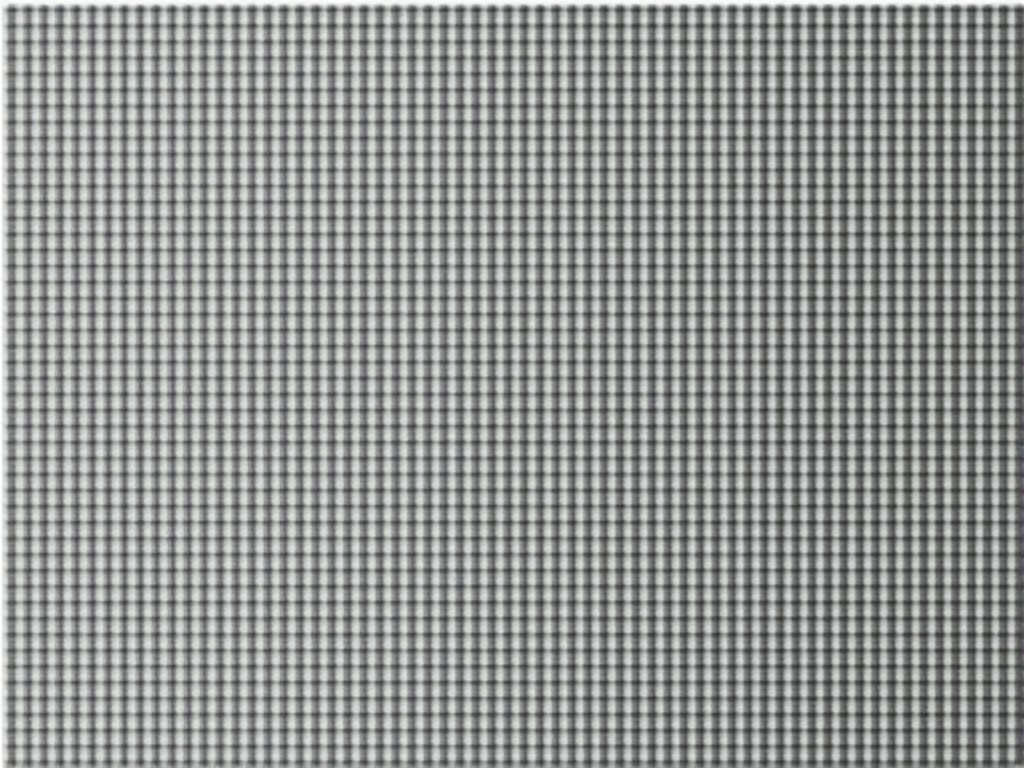
OEM Stainless Steel Straining Wire
Stainless steel straining wire is a precision-engineered component used in industrial filtration, separation, and containment systems where resistance to corrosion, consistent aperture control, and mechanical stability are critical. Unlike general-purpose wire, OEM-grade straining wire is manufactured to tight dimensional tolerances and surface finish specifications to ensure reliable performance in demanding process environments.
Material Composition and Corrosion Resistance
OEM straining wire is typically produced from austenitic stainless steel grades such as 304, 316L, or 317L, selected based on the chemical exposure and temperature conditions of the application. Grade 304 offers adequate resistance to atmospheric corrosion and mild chemicals, while 316L provides enhanced protection against chlorides and acidic environments due to its molybdenum content. For highly aggressive conditions involving sulfuric acid or elevated temperatures, 317L or duplex grades may be specified to prevent pitting and stress corrosion cracking.
The wire undergoes controlled annealing and cold drawing processes to achieve a balance between tensile strength and ductility. Surface finish is carefully monitored to remove contaminants and passive layer disruption, ensuring the chromium oxide layer remains intact and uniform — a key factor in long-term corrosion resistance in wet or chemically active systems.
Dimensional Precision and Tolerance Control
Straining wire diameter tolerances are typically held to ±0.005 mm for fine filtration applications and ±0.01 mm for coarser grades, depending on the intended weave or mesh structure. Consistent diameter is essential to maintain uniform opening sizes in woven or welded screens, preventing blind spots or uneven flow distribution that could compromise filtration efficiency or cause premature fouling.
Roundness and straightness are also tightly controlled, especially for wire used in precision winding or helical strainer elements. Deviation beyond 0.02 mm in roundness can lead to localized stress concentrations during forming, increasing the risk of fatigue failure under cyclic pressure or vibration. Manufacturers use laser micrometers and eddy current testing to verify inline dimensional consistency during production.
Mechanical Properties and Performance Characteristics
Tensile strength of OEM straining wire generally ranges from 800 to 1800 MPa, depending on grade, cold work level, and diameter. For example, 316L wire at 0.5 mm diameter in a full-hard condition typically achieves 1500–1700 MPa tensile strength with elongation between 10–15%, providing sufficient toughness to withstand handling and installation without brittle fracture.
Yield strength is typically 60–80% of tensile strength, allowing the wire to endure temporary overloading without permanent deformation. Fatigue resistance is enhanced through stress-relief annealing after forming, particularly in applications involving pulsating flow or mechanical cycling. Elastic modulus remains consistent with standard stainless steel values (~190 GPa), ensuring predictable behavior in tensioned or constrained configurations.
Surface Finish and Contamination Control
Surface cleanliness is critical in straining wire used in food, pharmaceutical, or semiconductor processing. Wire is often supplied in a passivated state, with free iron removed via citric or nitric acid treatment to prevent rust staining and contamination. For ultra-clean applications, electropolishing may be specified to achieve a surface roughness (Ra) below 0.2 µm, minimizing particle adhesion and facilitating cleaning-in-place (CIP) procedures.
Residual lubricants from drawing are removed through alkaline or vapor degreasing processes, verified by water break testing or solvent extraction analysis. Any organic residue above 5 mg/m² can compromise downstream processes, so suppliers provide certificates of surface cleanliness upon request, particularly for hygienic or clean-in-place (CIP) systems.
Customization Options for OEM Integration
OEM buyers frequently require wire supplied in specific forms to match downstream processing equipment. Common options include cut-to-length straight lengths, precision-coiled spools with controlled tension, or welded end preparations for seamless integration into automated assembly lines. Spools are often wound with interlayer paper or plastic separators to prevent scoring and ensure uniform pay-off during high-speed winding or weaving.
End treatments such as pointing, chamfering, or ultrasonic cleaning are available to facilitate insertion into fixtures or reduce wear on guiding components. For applications requiring electrical conductivity or grounding, wire can be supplied with controlled surface resistivity or plated with tin or nickel — though such modifications must be evaluated for compatibility with the base corrosion resistance.
Quality Assurance and Traceability
Each batch of OEM straining wire is traceable to raw material mill certificates, with chemical composition verified via optical emission spectroscopy (OES) or X-ray fluorescence (XRF). Mechanical properties are validated through tensile testing on samples from every lot, and diameter consistency is monitored using statistical process control (SPC) with sampling plans aligned to ISO 2859-1 standards.
Visual inspection under 10x magnification checks for surface defects such as scratches, pits, or drawing marks that could act as stress concentrators. For critical applications, eddy current testing or magnetic particle inspection may be employed to detect subsurface flaws. All inspection records are retained and available for audit, supporting compliance with ISO 9001, ASME BPE, or industry-specific standards such as 3-A SSI for sanitary equipment.
Typical Applications Across Industries
In chemical processing, straining wire is used in basket strainers, duplex filters, and inline strainers to remove catalysts, polymer gels, or particulate impurities from corrosive fluids — where 316L or duplex grades prevent degradation that could contaminate product streams. The wire’s ability to maintain precise opening dimensions under thermal cycling ensures consistent separation efficiency over extended service life.
Food and beverage manufacturers use straining wire in juice clarifiers, brewery filtration systems, and dairy separators, where hygiene and cleanability are paramount. Electropolished 316L wire with Ra < 0.2 µm minimizes bacterial harborage and supports CIP validation. In pharmaceutical manufacturing, it supports sterile filtration of buffers and solvents, where material traceability and surface integrity directly impact product safety and regulatory compliance.
Water treatment facilities employ straining wire in membrane pre-filtration and sludge dewatering systems to protect downstream equipment from abrasive solids. Here, abrasion resistance combined with chlorine tolerance makes 316L or super austenitic grades suitable for continuous operation. In pulp and paper, wire screens remove fillers and coatings from recirculated white water, where fatigue resistance under constant tension is critical to avoid downtime.
Comparison of Common Stainless Steel Grades for Straining Wire
| Grade | Key Alloying Elements | Corrosion Resistance | Typical Use Cases | Temperature Limit (°C) |
|---|---|---|---|---|
| 304 | 18% Cr, 8% Ni | Good for mild chemicals, atmospheric | General industrial filtration, HVAC | 870 |
| 316L | 16% Cr, 10% Ni, 2% Mo | Excellent against chlorides, acids | Food, pharma, chemical processing | 925 |
| 317L | 18% Cr, 12% Ni, 3% Mo | Superior to 316L in sulfuric, phosphoric | Chemical reactors, pickling lines | 950 |
| Duplex 2205 | 22% Cr, 5% Ni, 3% Mo | High strength, chloride stress cracking resistance | Offshore, desalination, high-pressure | 300 |
Note: Values are typical ranges; actual performance depends on specific composition, heat treatment, and environmental factors. Consult material data sheets for application-specific limits.
Ordering Information and Technical Support
To receive a formal quotation, provide the following details: required stainless steel grade, nominal diameter (mm), tolerance class, length or spool weight, surface finish (e.g., annealed, passivated, electropolished), end preparation, and any applicable industry standards (e.g., ASTM A313, EN 10270-3, 3-A SSI). For custom alloys or non-standard diameters, minimum order quantities may apply based on mill production constraints.
Technical support is available to assist with material selection based on fluid chemistry, temperature, pressure, and expected service life. Engineers can review system specifications to recommend optimal wire properties that balance corrosion resistance, mechanical strength, and cost-effectiveness — reducing the risk of over-specification or premature failure.

More Products
Send Inquiry
If you are interested in our products, leave your information here and we will be in touch shortly.