B2B Plastic Coated Wire Mesh Panels
Plastic coated wire mesh panels are engineered for industrial environments where corrosion resistance, mechanical durability, and long-term structural integrity are critical. The coating acts as a
B2B Plastic Coated Wire Mesh Panels
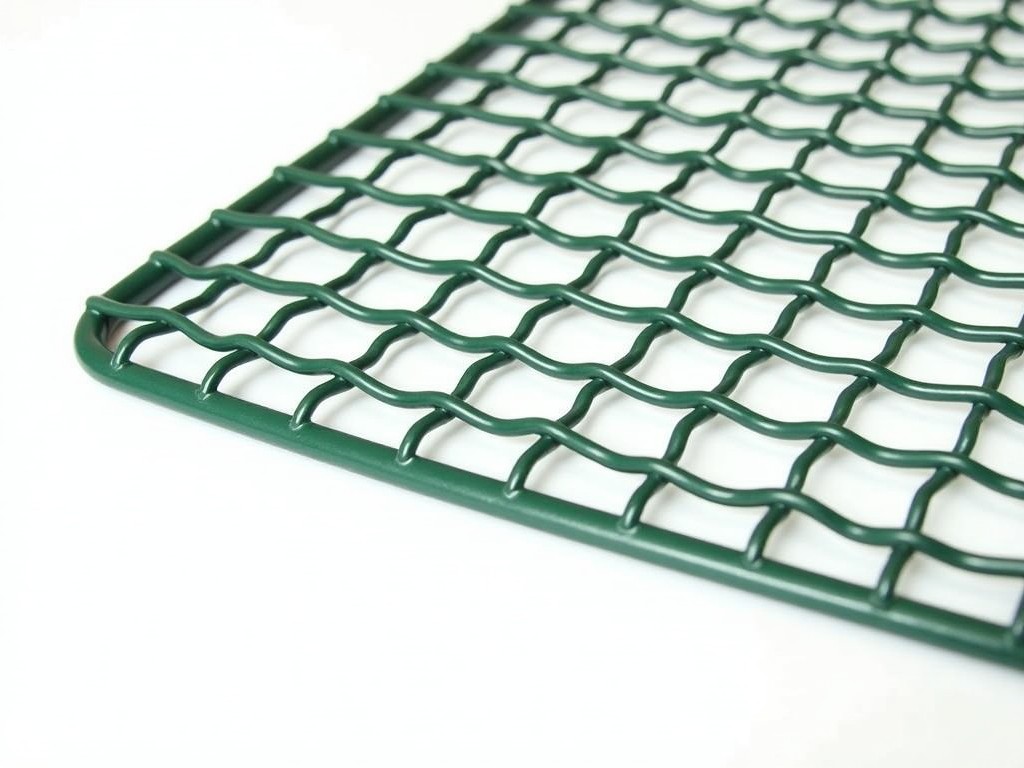
Plastic coated wire mesh panels are engineered for industrial environments where corrosion resistance, mechanical durability, and long-term structural integrity are critical. The coating acts as a barrier against moisture, chemicals, and abrasion, extending service life in harsh conditions. These panels are manufactured by welding or weaving steel wire into a mesh configuration, then applying a uniform layer of thermoplastic polymer through extrusion or fluidized bed coating. The result is a composite material that combines the tensile strength of steel with the protective qualities of engineered plastics.
The substrate wire is typically low-carbon steel, selected for its balance of strength, formability, and weldability. Wire diameters range from 2.0 mm to 5.0 mm depending on load requirements, with mesh openings varying from 10 mm × 10 mm to 50 mm × 50 mm for standard configurations. The plastic coating is usually polyvinyl chloride (PVC) or polyethylene (PE), applied to a thickness of 0.3 mm to 0.8 mm per side. This coating thickness ensures adequate protection while maintaining flexibility during installation and impact resistance under dynamic loads.
Coating adhesion is a critical performance factor. Proper surface pretreatment — including degreasing, phosphating, and drying — ensures molecular bonding between the steel substrate and polymer layer. Poor adhesion leads to delamination under thermal cycling or mechanical stress, compromising corrosion protection. Manufacturers use controlled heating cycles during coating application to achieve optimal polymer flow and interfacial bonding, verified through peel adhesion testing per ASTM D4541. This process minimizes the risk of coating failure in outdoor or chemically aggressive environments.
Key Technical Specifications
| Parameter | Typical Range | Notes |
|---|---|---|
| Wire Diameter | 2.0 – 5.0 mm | Selected based on load and deflection limits |
| Mesh Opening | 10×10 mm to 50×50 mm | Custom sizes available per drawing |
| Coating Material | PVC or PE | PVC for chemical resistance; PE for flexibility |
| Coating Thickness | 0.3 – 0.8 mm per side | Measured via micrometer on cured sample |
| Tensile Strength (Wire) | 350 – 550 MPa | Dependent on wire grade and cold work |
| Operating Temperature | -20°C to +60°C | Limited by polymer glass transition |
| UV Stability | Available with stabilizers | Required for prolonged sun exposure |
Material selection depends on environmental exposure. PVC coatings offer superior resistance to oils, fuels, and industrial solvents, making them suitable for chemical processing zones, wastewater treatment facilities, and outdoor fencing near industrial corridors. Polyethylene coatings provide better low-temperature flexibility and impact resistance, preferred in colder climates or applications involving frequent handling. Both materials can be formulated with UV stabilizers, antimicrobial additives, or fire-retardant compounds based on project-specific risk assessments.
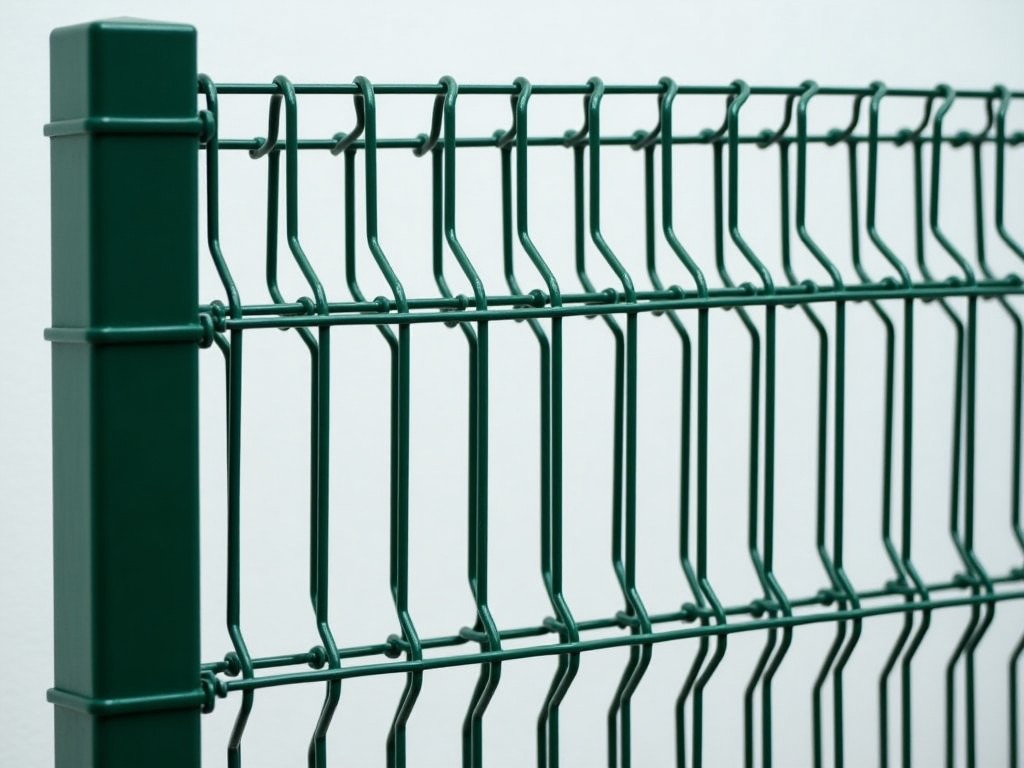
Panel dimensions are typically customized to match installation requirements. Standard widths range from 0.5 m to 2.0 m, with lengths up to 6.0 m for seamless installation in large barriers or enclosures. Edge treatments include folded, capped, or welded ends to prevent wire protrusion and coating damage during handling. Mounting options vary by application: direct bolting to structural steel, integration into concrete precast molds, or suspension via galvanized hooks and tension wires. Each method requires consideration of load distribution, thermal expansion, and accessibility for inspection.
Industrial Applications
In mining operations, plastic coated mesh panels are used as ground support in underground tunnels and slope stabilization on open-pit benches. The coating prevents corrosion from groundwater and sulfide-rich rock leachate, which would rapidly degrade uncoated steel in these environments. Panels are installed as flexible liners behind shotcrete or as standalone rockfall catchment systems, where their energy absorption capacity reduces injury risk during seismic events or blast-induced vibration.
Within food and beverage processing facilities, these panels serve as protective guards around conveyors, mixers, and packaging lines. The smooth, non-porous coating resists bacterial buildup and withstands frequent washdowns with alkaline cleaners and steam sanitation. Unlike painted or galvanized alternatives, the coating does not chip or flake under thermal cycling, eliminating contamination risks in product zones. Compliance with FDA and EU food contact regulations is achievable when using certified coating formulations.
In renewable energy infrastructure, particularly solar farms and wind turbine foundations, the panels function as erosion control barriers and wildlife exclusion fencing. The coating survives prolonged UV exposure, temperature cycling, and contact with alkaline soils without embrittlement. Their open mesh design allows vegetation growth through the panels while deterring burrowing animals, supporting both environmental compliance and long-term site stability. Installation often uses helical anchors or driven posts to minimize ground disturbance.
Customization and Quality Control
Customization begins with technical consultation to define load cases, environmental stressors, and installation constraints. Engineers specify wire diameter, mesh geometry, coating material, and thickness based on finite element analysis or empirical data from similar installations. Prototypes may undergo salt spray testing (ASTM B117), flexural testing, or impact resistance evaluation to validate performance before full production. Dimensional tolerances are typically held to ±3 mm for length and width, with squareness verified via diagonal measurement.
Quality control incorporates multiple checkpoints: incoming wire inspection for diameter and tensile properties, pre-coating surface cleanliness verification, in-line coating thickness monitoring via laser gauges, and final visual inspection for pinholes, bubbles, or thin spots. Electrical continuity testing ensures the coating is intact and free of conductive paths to the substrate. Batch traceability is maintained from raw material to shipment, enabling rapid response to field performance inquiries. All test records are retained for a minimum of five years.
Packaging is designed to prevent coating abrasion during transit. Panels are stacked flat with polyethylene interleaving between layers, secured with corner protectors and steel banding. For export, crates are fumigated and lined with moisture-barrier film to meet ISPM 15 standards. Labeling includes part number, coating type, wire spec, and QC stamp. Lead times vary from 2–4 weeks for standard configurations to 6–8 weeks for fully customized orders requiring tooling or material certification.
For technical consultation, custom specifications, or sample requests, contact our engineering team to discuss your project requirements.
Request Technical Specification Sheet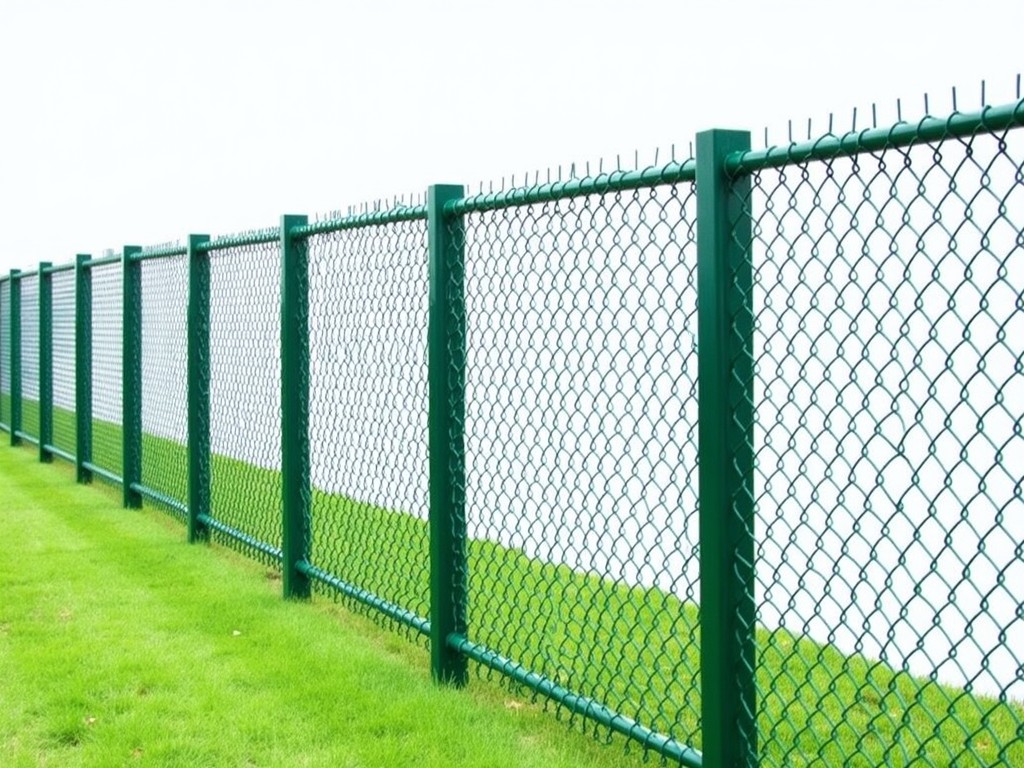
Product Categories


Send Inquiry
If you are interested in our products, leave your information here and we will be in touch shortly.