B2B Temporary Pool Fencing Cost
Temporary pool fencing in B2B contexts serves as a critical safety barrier during construction, maintenance, or event operations where permanent installations are impractical. Procurement decisions
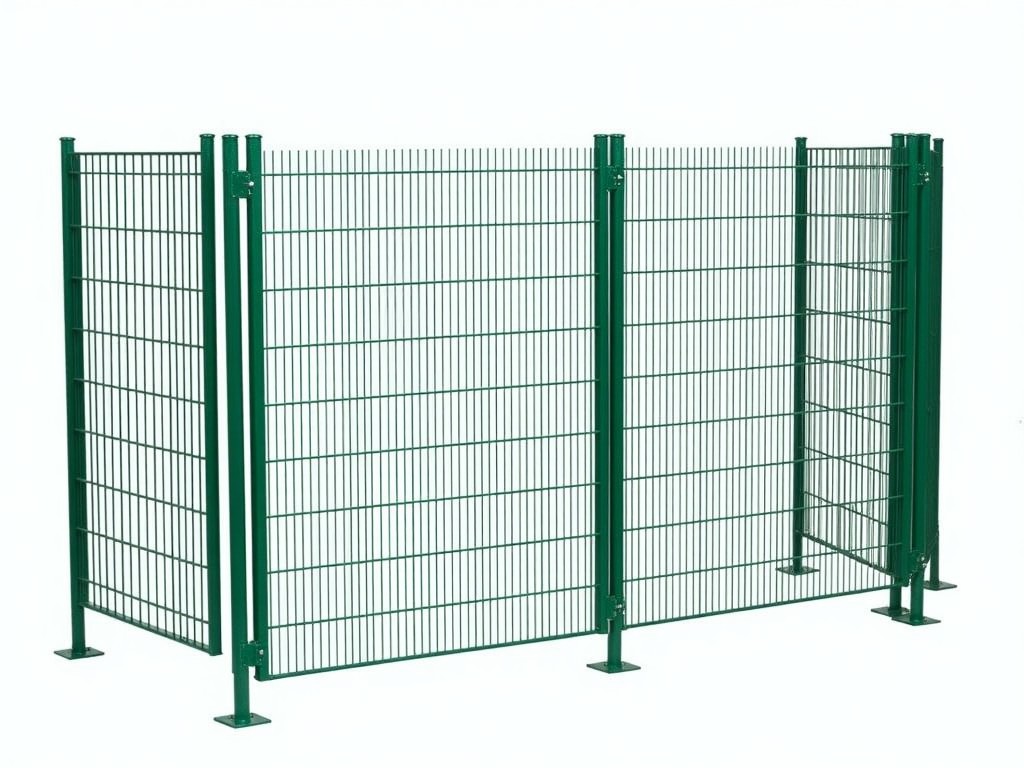
B2B Temporary Pool Fencing Cost Analysis for Industrial Procurement
Temporary pool fencing in B2B contexts serves as a critical safety barrier during construction, maintenance, or event operations where permanent installations are impractical. Procurement decisions require balancing initial expenditure against lifecycle value, regulatory compliance, and site-specific risk mitigation. This analysis details cost drivers, material trade-offs, and procurement considerations for industrial buyers evaluating temporary pool enclosure systems.
Primary Cost Components in Temporary Pool Fencing Systems
Total system cost comprises four interdependent elements: material specification, labor installation, transportation logistics, and decommissioning recovery. Material selection—typically galvanized steel, aluminum alloy, or HDPE plastic—directly influences unit price per linear meter and handling complexity. Labor costs vary with site accessibility, ground conditions, and required erection speed, often ranging from 30% to 50% of total expenditure for complex installations. Transportation expenses scale with weight and volume; lighter materials reduce freight but may increase material unit cost. Decommissioning includes disassembly labor, inspection for reuse, and potential resale value recovery, which can offset 10%-25% of initial outlay for durable systems.
Material-Specific Cost and Performance Characteristics
| Material Type | Typical Unit Cost (USD/m) | Weight (kg/m) | Reuse Cycles | Key Cost Drivers |
|---|---|---|---|---|
| Hot-dip Galvanized Steel | 18-25 | 4.2-5.8 | 15-20 | Material thickness, zinc coating grade, panel interlock design |
| Extruded Aluminum Alloy | 22-30 | 1.8-2.5 | 20-25 | Alloy temper, surface finish, connection hardware corrosion resistance |
| HDPE Plastic with Steel Reinforcement | 15-22 | 2.0-3.0 | 10-15 | UV stabilizer concentration, wall thickness, reinforcement density |
Note: Unit costs exclude installation, transportation, and site preparation. Actual pricing depends on order volume, customization requirements, and regional market conditions. Reuse cycles assume proper maintenance and storage between deployments.
Installation Labor Cost Variables
Labor efficiency depends on system modularity, ground preparation requirements, and crew experience. Panel systems with tool-free locking mechanisms reduce installation time by 25%-40% compared to bolted alternatives, directly lowering crew-hour expenses. Uneven or unstable substrates necessitate ground leveling or weighted base systems, adding 15%-30% to labor costs. Site accessibility—particularly in confined urban environments or remote locations—impacts mobilization time and equipment needs. Weather conditions affect daily productivity; wind loads above 20 km/h may require additional bracing, increasing labor input per linear meter.
Transportation and Logistics Cost Structure
Transportation expenses are determined by shipment density, handling requirements, and distance to site. Stackable panel designs optimize trailer utilization, reducing cost per meter shipped. Bulky or irregularly shaped components increase volumetric weight charges, especially for air freight. Return logistics for reusable systems add 20%-35% to outbound freight costs unless coordinated with supplier take-back programs. Customs clearance and import duties apply to international shipments, typically adding 5%-15% to landed cost based on HS code classification and origin country.
Decommissioning and Value Recovery
End-of-life value recovery hinges on material durability, inspection protocols, and secondary market demand. Galvanized steel systems retain structural integrity for multiple cycles if coating damage is minimized during handling; repair costs for localized corrosion average 8%-12% of panel value. Aluminum systems show minimal degradation but require checks for galvanic corrosion at dissimilar metal joints. HDPE components may suffer UV embrittlement after prolonged sun exposure, reducing reuse potential. Suppliers offering inspection, refurbishment, and certified resale channels enable buyers to recover 10%-25% of initial investment, effectively lowering amortized cost per deployment.
Cost Optimization Strategies for Procurement Teams
Total cost of ownership is minimized through specification alignment with actual deployment frequency and duration. For short-term, single-use projects, lower upfront-cost materials like HDPE may prove economical despite limited reuse. High-frequency applications justify investment in durable, lightweight systems such as aluminum alloy, where reduced labor and freight expenses compound over multiple cycles. Standardizing panel dimensions and connection types across sites improves inventory management and reduces spare parts complexity. Engaging suppliers early in project planning allows for value engineering—adjusting height, load ratings, or gate configurations to eliminate over-specification without compromising safety compliance.
Typical Price Ranges for Comparative Budgeting
| System Configuration | Material Cost Range (USD/m) | Installed Cost Range (USD/m) | Best Suited For |
|---|---|---|---|
| 1.2m High, Standard Panel, Galvanized Steel | 18-25 | 35-50 | General construction sites, moderate reuse expectations |
| 1.2m High, Lightweight Panel, Aluminum Alloy | 22-30 | 30-45 | Urban environments, frequent redeployment, weight-sensitive logistics |
| 1.5m High, Reinforced Base, HDPE/Steel Composite | 15-22 | 28-42 | Temporary events, uneven terrain, corrosion-prone environments |
Installed cost includes basic labor for level ground and standard accessibility. Site-specific factors such as steep slopes, restricted access, or accelerated timelines can increase installed costs by 20%-50%. These ranges reflect North American and European market conditions as of 2024; APAC and LATAM pricing may vary significantly.
For project-specific quotations, technical documentation, or to discuss customization options for temporary pool fencing systems, contact our technical sales team. Provide project duration, site conditions, required height, and expected reuse frequency to receive a detailed cost breakdown and lead time estimate.
Request Technical Quotation
Product Categories


Send Inquiry
If you are interested in our products, leave your information here and we will be in touch shortly.