B2B Temporary Pool Safety Barrier
Temporary pool safety barriers are engineered solutions designed to meet transient access control requirements at commercial pools, aquatic facilities, and construction sites. Unlike permanent
B2B Temporary Pool Safety Barrier
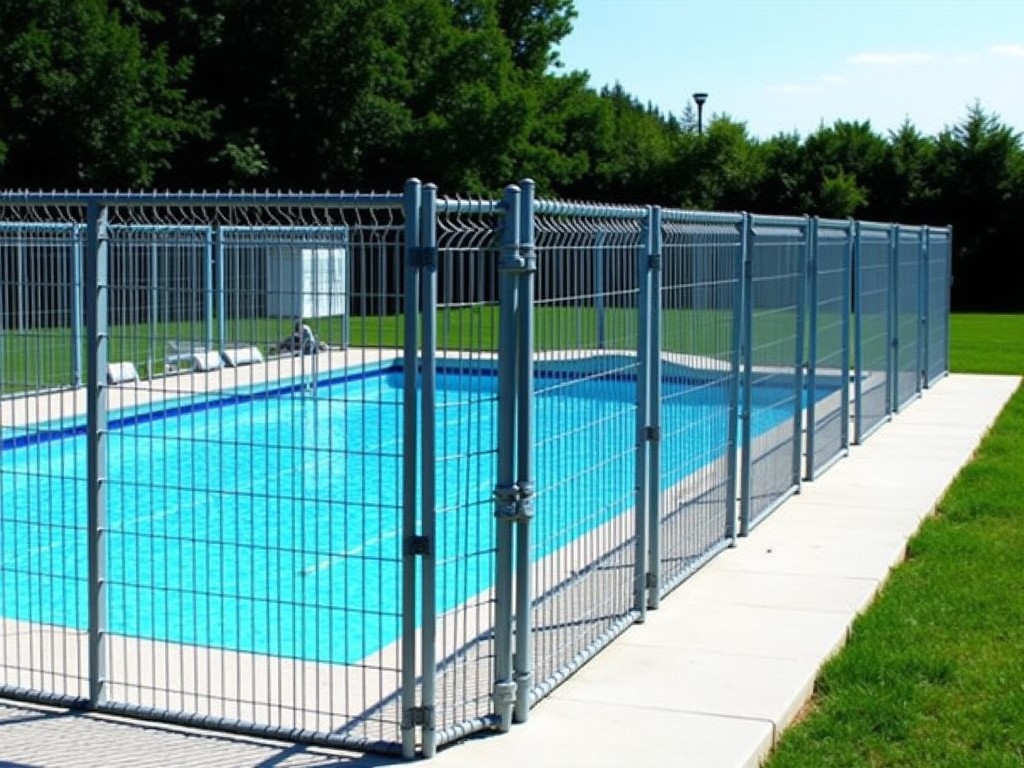
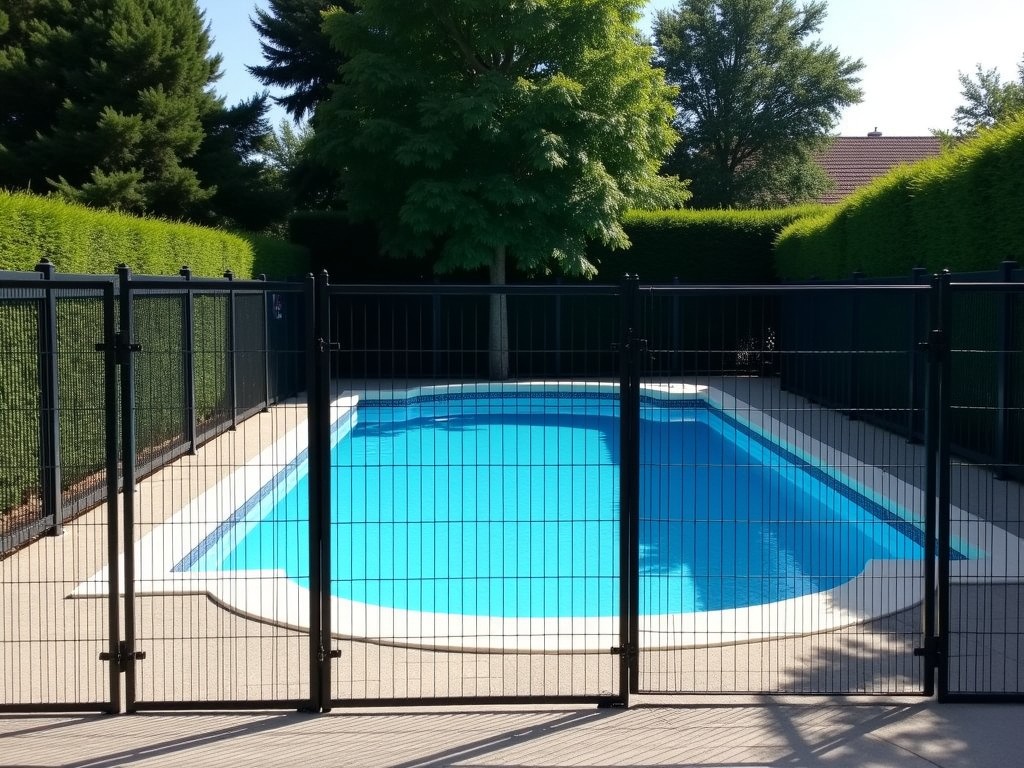
Temporary pool safety barriers are engineered solutions designed to meet transient access control requirements at commercial pools, aquatic facilities, and construction sites. Unlike permanent fencing, these systems provide rapid deployment, reconfigurability, and compliance with regional safety codes during short-term operational phases. Their primary function is to prevent unauthorized access to water areas while maintaining visibility and ease of removal when no longer needed.
Key Design Parameters
Effective temporary barriers balance structural integrity with handling efficiency. Critical design parameters include panel height, interconnection strength, wind load resistance, and base stability. Panels typically range from 1.0 to 1.2 meters in height to deter climbing while allowing visual supervision. Interconnection mechanisms must withstand lateral forces without disengagement, and weighted or ballasted bases prevent tipping under environmental loads such as wind or accidental impact.
Material selection influences durability, weight, and corrosion resistance. Common options include powder-coated steel for strength and UV-stabilized polymers for lightweight handling. Surface finishes are chosen to resist chlorine exposure, sunlight degradation, and frequent cleaning cycles. Connection hardware often uses stainless steel or nylon-reinforced compounds to prevent seizing and ensure repeatable assembly/disassembly.
Applications in Commercial and Industrial Settings
Temporary barriers are frequently deployed during pool renovation projects where sections of the facility remain operational. They create isolated work zones that protect both contractors and patrons from hazards such as open drains, electrical equipment, or slippery surfaces. In hospitality environments, barriers manage crowd flow during events or seasonal transitions, enabling safe reconfiguration of poolside areas without permanent modifications.
Construction sites adjacent to existing pools use these barriers to maintain safety perimeters while work progresses. Municipal aquatic centers employ them during maintenance shutdowns to secure drained pools or satisfy interim regulatory requirements. Their reusability across multiple projects reduces lifecycle costs compared to single-use alternatives like wooden barricades or plastic tape systems.
Configuration and Customization Options
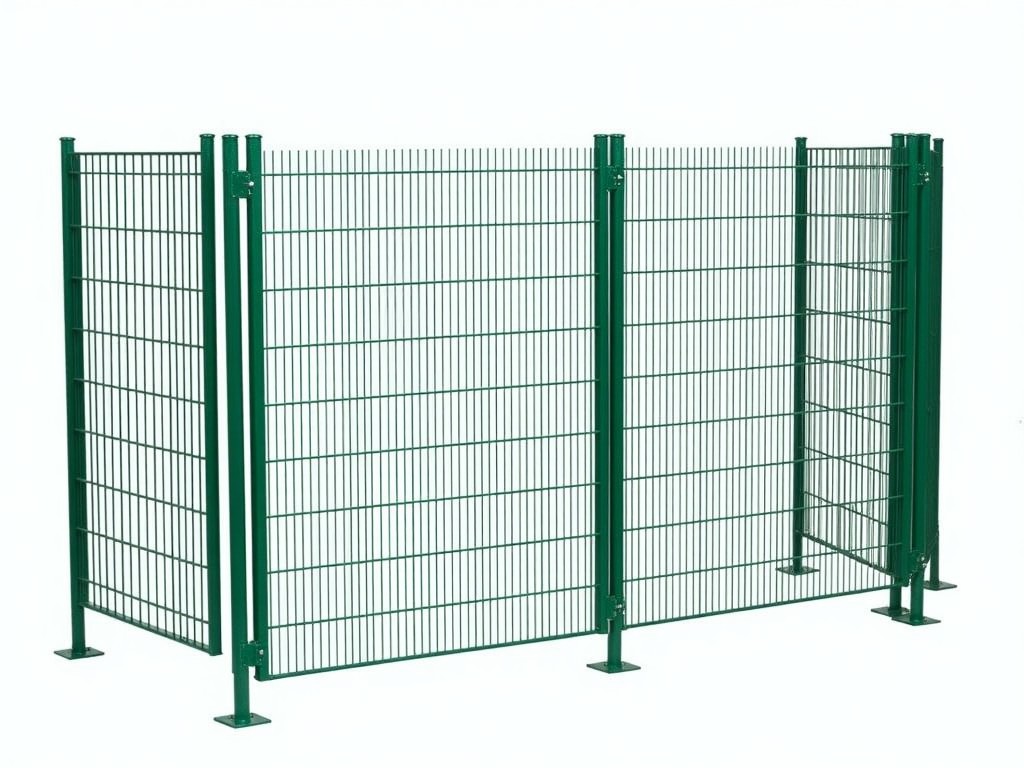
Barrier systems are designed for modular assembly, allowing straight runs, corners, and gates to be configured based on site geometry. Panel widths typically range from 1.0 to 1.5 meters, enabling adaptation to irregular perimeters. Gate modules incorporate self-closing hinges and latch mechanisms that meet pool safety standards while allowing authorized passage.
Customization extends to height extensions for elevated risk zones, integrated signage mounting points, and specialized base designs for uneven surfaces. Some models include retractable belts or mesh infill panels for enhanced visibility or debris containment. Finish colors can be selected to match facility branding or improve contrast against surrounding environments for better visual detection.
Material Comparison Table
| Material | Typical Use Case | Advantages | Limitations |
|---|---|---|---|
| Powder-coated steel | High-traffic public pools | High impact resistance, durable finish | Heavier, requires corrosion inspection |
| UV-stabilized polymer | Lightweight deployment needs | Easy handling, chlorine resistant | Lower tensile strength than metal |
| Aluminum alloy | Corrosive environments | Lightweight, naturally corrosion resistant | Higher material cost, softer surface |
Installation and Handling Considerations
Deployment efficiency depends on intuitive connection systems and manageable component weight. Most temporary barriers use tool-free pin-and-socket or clamp mechanisms that allow two-person assembly of standard panels in under five minutes. Base units often feature integrated handles or wheel kits for repositioning without disassembly. Weight distribution is critical—ballast must be sufficient to resist uplift but not so excessive that manual handling becomes impractical.
Storage and transportation logistics influence total cost of ownership. Nestable panel designs reduce footprint, while stackable bases simplify warehouse management. Manufacturers frequently provide dollies or carts specifically engineered for their barrier models to streamline movement between sites. Regular inspection of connection points and base integrity is recommended before each redeployment to ensure continued safety performance.
Quality Assurance and Compliance
Manufacturing processes emphasize dimensional consistency and mechanical reliability. Panel straightness, connection tolerance, and base flatness are verified during production to ensure seamless field assembly. Materials undergo accelerated weathering and chemical resistance testing to validate longevity under pool environment stressors such as UV exposure, chlorinated water splashes, and temperature cycling.
While temporary barriers are not always subject to the same certification as permanent pool fencing, reputable manufacturers align designs with widely recognized standards such as ASTM F2286 or regional equivalents governing barrier strength, gap limitations, and latch security. Documentation typically includes material certificates, load test reports, and assembly instructions that support due diligence during procurement and site safety audits.
Product Categories


Send Inquiry
If you are interested in our products, leave your information here and we will be in touch shortly.