B2B Temporary Safety Fence Around Pool
Temporary safety fencing for pool areas serves as a critical interim barrier during construction, renovation, or event staging where permanent fencing is not yet installed or practical. These systems
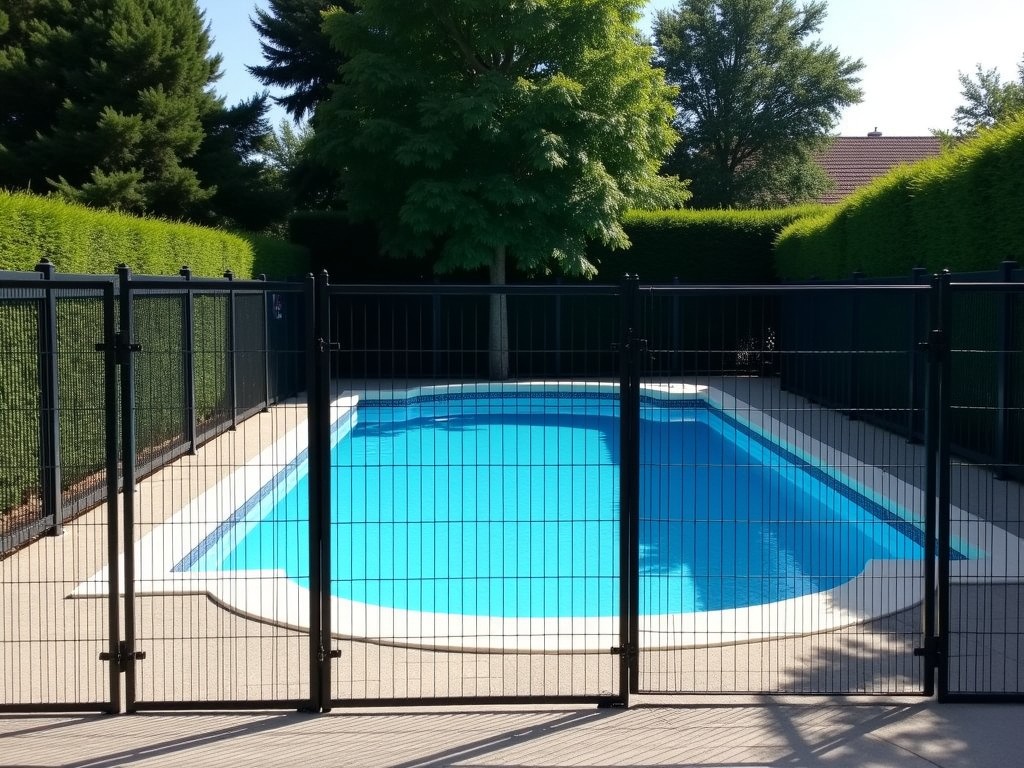
B2B Temporary Safety Fence Around Pool
Temporary safety fencing for pool areas serves as a critical interim barrier during construction, renovation, or event staging where permanent fencing is not yet installed or practical. These systems are designed to meet occupational safety regulations and prevent unauthorized access to hazardous zones, particularly where water presents drowning risks. Selection criteria focus on structural integrity under wind load, ease of installation and removal, and compatibility with uneven or temporary substrates.
Unlike permanent pool barriers governed by residential codes (e.g., ISPSC or local building ordinances), temporary fencing prioritizes rapid deployment and reusability without sacrificing baseline safety performance. Materials are selected for corrosion resistance in chlorinated or saltwater environments, and connection mechanisms avoid pinch points or protrusions that could cause injury during handling. Systems are evaluated for compliance with OSHA 1926.502(b) for fall protection and ANSI A10.18-2017 for temporary barriers.
Core Design Parameters
Panel height is standardized at 42 inches (1067 mm) to align with minimum guardrail height requirements under OSHA for construction sites, providing adequate deterrent against climbing while remaining manageable for two-person handling. Vertical picket spacing does not exceed 4 inches (102 mm) to prevent passage of a 4-inch sphere, satisfying the same entrapment criteria used in permanent pool barriers. Top and bottom rails are typically 1.5-inch square tubular steel to resist bending under lateral impact.
Post embedment depth varies by substrate: minimum 12 inches in compacted soil with base plate and stakes, or surface-mounted with weighted bases (e.g., 35 lb rubber or concrete) on asphalt or concrete where penetration is prohibited. Wind load resistance is calculated assuming a 90 mph basic wind speed (ASCE 7-16 Exposure C), requiring interlocking panel systems or diagonal bracing at intervals not exceeding 8 feet to prevent overturning. Gate assemblies, when included, use self-closing hinges and latching mechanisms that require deliberate dual-action to open.
Material Options and Performance
Primary structural components are manufactured from hot-dip galvanized steel (ASTM A123) with a minimum zinc coating thickness of 1.8 mils, providing sustained resistance to white rust in humid, chemically active pool environments. Alternative materials include powder-coated aluminum (6063-T5 alloy) for applications where weight reduction is critical, though aluminum exhibits lower yield strength (~25 ksi) compared to steel (~36 ksi), necessitating larger cross-sections for equivalent stiffness.
Mesh infill, when used instead of pickets, consists of 11-gauge welded wire with 1.5-inch hexagonal openings, offering visibility while maintaining climb resistance. Polyethylene-coated variants are available to further mitigate galvanic coupling at connection points. All fasteners are stainless steel (Grade 304) to prevent corrosion-induced failure at joints, particularly important in splash zones where chloride concentration accelerates degradation of carbon steel.
Installation and Removal Logic
Installation begins with substrate assessment: compacted soil allows for driven steel posts with spike bases; hard surfaces require surface mounts with ballast. Posts are positioned at 8-foot intervals maximum, with panels inserted into post sockets and secured via spring pins or tamper-resistant bolts. The process requires no specialized tools beyond a mallet for post driving and a wrench for bolt tightening, enabling deployment by general labor crews after minimal training.
Removal reverses the sequence: pins are extracted, panels lifted out, and posts withdrawn or ballast removed. Components are stacked flat or nested to minimize storage footprint—typically 10 panels per linear foot when stacked. Systems are designed for 50+ cycle reuse before inspection for fatigue at stress points (e.g., post socket welds, hinge pins). Field inspection protocols check for bent rails, missing fasteners, or coating damage exceeding 10% of surface area per panel.
Application-Specific Considerations
In commercial pool renovation projects, temporary fencing isolates the work zone from occupied areas, satisfying both OSHA construction safety requirements and public health codes that mandate separation of active construction from recreational water use. The system allows continued operation of adjacent facilities (e.g., locker rooms, pool decks) while preventing access to the drained or partially demolished basin. Visibility through picket or mesh designs enables lifeguards or supervisors to monitor the zone without physical entry.
For event staging (e.g., swim meets, poolside concerts), temporary fencing manages crowd flow and prevents accidental entry into restricted zones such as equipment storage or pump rooms. The ability to quickly reconfigure layouts—straight runs, 90-degree corners, or gate placements—supports dynamic site planning. Ballasted bases avoid damage to decorative decking or waterproofing membranes, preserving surface integrity for post-event restoration.
Customization and Scalability
Panel width is commonly 6 or 8 feet, but custom lengths from 4 to 10 feet are available to match irregular site perimeters or accommodate architectural features like ladders, diving boards, or overflow gutters. Gate widths range from 3-foot pedestrian single-leaf to 6-foot double-leaf for equipment passage, all equipped with self-closing hardware and padlockable latches. Post extensions can increase effective height to 48 inches for sites requiring higher deterrence, though this increases overturning moment and may require deeper embedment or wider ballast.
Color options include safety yellow (RAL 1003) for high visibility, black (RAL 9005) for low visual impact, or custom powder coats to match site branding. Reflective strips (3M Scotchlite or equivalent) can be added to rails for low-light visibility without compromising coating adhesion. All customizations maintain structural compatibility—changes to infill or finish do not alter load paths or connection mechanics.
| Parameter | Typical Value | Notes |
|---|---|---|
| Panel Height | 42 in (1067 mm) | Meets OSHA guardrail minimum; 48 in available with engineering review |
| Max Post Spacing | 8 ft (2.4 m) | Based on 90 mph wind load; reduce to 6 ft for exposed coastal sites |
| Picket Spacing | ≤4 in (102 mm) | Prevents 4-inch sphere passage; aligns with pool barrier entrapment limits |
| Base Ballast (Surface Mount) | 35 lb per post | Recycled rubber or concrete; increases to 50 lb for wind speeds >100 mph |
| Reusable Cycles | 50+ | Before recommended inspection for fatigue at welds and connectors |
| Wind Load Rating | 90 mph (3-second gust) | ASCE 7-16 Exposure C; assumes proper bracing and base securement |
Quality Control and Lifecycle
Manufacturing tolerances maintain panel squareness within 1/8 inch over 8-foot length to ensure proper seating in post sockets and prevent binding during installation. Welds on posts and rails are visually inspected and spot-tested for penetration; coating thickness is verified via magnetic induction at five points per component. End-of-life assessment focuses on zinc coating loss—red rust exceeding 5% of surface area triggers replacement recommendation, even if structural integrity appears intact, due to ongoing corrosion risk.
Storage conditions affect longevity: panels should be kept off-ground and covered to prevent moisture trapping between stacked units, which can cause white rust or staining. With proper maintenance (annual coating touch-up on cut edges or scratch points), systems remain serviceable for 5–7 years in moderate climates. Rental fleets typically retire units after 3–4 years due to accumulated handling damage, despite residual structural capacity.
For project-specific configuration, including wind load analysis, substrate assessment, or integration with existing safety systems, contact our technical team to discuss requirements. Provide site dimensions, surface type, expected duration, and any access gate needs for a detailed quotation and layout plan.
Request Technical Consultation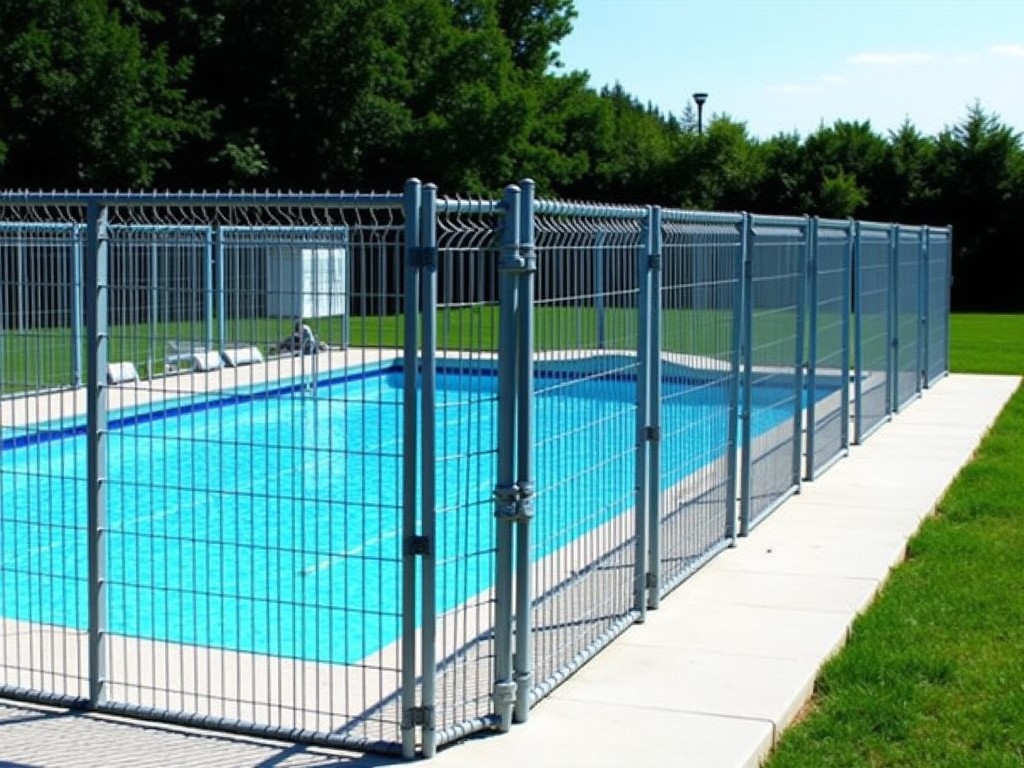
Product Categories


Send Inquiry
If you are interested in our products, leave your information here and we will be in touch shortly.