Buy 1 4 Vinyl Chain Link Fence Mesh
Vinyl-coated chain link fence mesh with a 1/4 inch nominal wire diameter provides a durable barrier solution for industrial, commercial, and infrastructure applications. The vinyl coating adds
1/4 Inch Vinyl-Coated Chain Link Fence Mesh
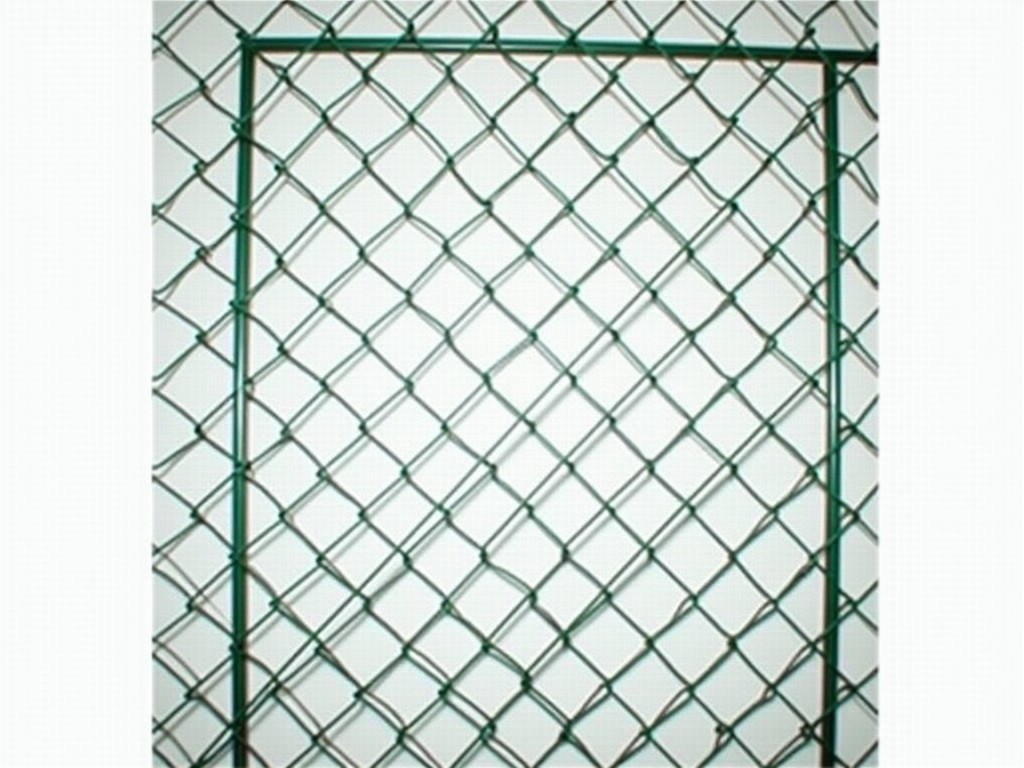
Vinyl-coated chain link fence mesh with a 1/4 inch nominal wire diameter provides a durable barrier solution for industrial, commercial, and infrastructure applications. The vinyl coating adds corrosion resistance and extends service life compared to bare galvanized steel, particularly in environments with moisture, chemicals, or UV exposure. This product page details the technical specifications, material properties, and selection considerations for buyers evaluating this fencing option.
Material Composition and Coating Specifications
The base wire is typically low-carbon steel, cold-drawn to achieve the required tensile strength and dimensional accuracy. A zinc coating (galvanization) is applied first to provide sacrificial protection against rust. Over this, a PVC or PE vinyl coating is extruded to a nominal thickness that results in a finished diameter of approximately 1/4 inch (6.35 mm). The coating adheres uniformly to the wire, forming a continuous barrier that prevents direct contact between the steel and corrosive elements.
Vinyl coating thickness is controlled during extrusion to meet ASTM F668 standards for chain link fencing. The coating color is pigmented throughout the material, so surface scratches do not reveal a different color underneath. Common colors include black, green, and brown, selected to blend with surroundings or meet specific project aesthetics. The coating remains flexible at low temperatures and resists cracking under impact or bending during installation.
Mesh Opening and Roll Dimensions
Mesh opening size refers to the clear distance between parallel wires, measured from the inside of one wire to the inside of the opposite wire. Standard openings for 1/4 inch vinyl-coated mesh include 2-inch, 2-1/4 inch, and 4-inch squares, though other sizes are available upon request. The opening size affects visibility, climb resistance, and material usage—smaller openings provide greater security but increase weight and cost per square foot.
Rolls are typically manufactured to standard heights of 4, 5, 6, 8, 10, and 12 feet, with lengths varying based on height and mesh size to maintain manageable weight for handling. A common roll might be 50 feet long for a 6-foot-high fence with 2-inch mesh. Rolls are wound on a core and wrapped in protective film to prevent coating damage during transit and storage. Custom lengths and heights can be produced to minimize field splicing.
Tensile Strength and Mechanical Properties
The steel core wire has a minimum tensile strength of 70,000 psi (483 MPa) after drawing and galvanizing, ensuring the mesh can withstand tension from posts and environmental loads without permanent deformation. The vinyl coating does not significantly contribute to structural strength but protects the underlying steel, maintaining its strength over time. Elongation at break is typically between 10% and 15%, allowing the mesh to absorb impact energy without brittle failure.
Mesh is manufactured with either twisted or welded selvages along the edges. Twisted selvages involve interlocking the end wires of the mesh, while welded selvages use resistance welding to fuse the wires. Welded selvages provide a smoother, safer edge and are often preferred in high-traffic or public areas. The selvage type does not affect the mesh opening or coating integrity but influences installation ease and long-term wear resistance.
Comparison: Vinyl-Coated vs. Galvanized Only Mesh
Bare galvanized chain link mesh relies solely on the zinc coating for corrosion protection. In humid or coastal environments, the zinc layer can deplete over 5–15 years, leading to rust formation and reduced lifespan. Vinyl-coated mesh adds a polymer barrier that significantly slows zinc depletion and prevents direct exposure to moisture and salts. Field observations show vinyl-coated mesh often exceeds 20 years of service life in similar conditions where galvanized-only mesh shows noticeable degradation.
The initial cost of vinyl-coated mesh is higher due to the additional extrusion process and material. However, life-cycle cost analysis frequently favors vinyl-coated options when factoring in reduced maintenance, repainting, or early replacement. For permanent installations where access for repair is difficult or costly, the extended service life justifies the premium. Vinyl coating also eliminates the need for touch-up painting after cutting or damage during installation.
Typical Applications in Industrial and Infrastructure Settings
Industrial facilities use 1/4 inch vinyl-coated mesh for perimeter security, equipment enclosures, and hazardous area separation. The coating resists splashes from oils, coolants, and cleaning agents commonly found in manufacturing plants. In wastewater treatment facilities, the mesh withstands constant moisture and exposure to hydrogen sulfide and other corrosive byproducts better than uncoated alternatives.
Transportation infrastructure such as highway right-of-ways, rail corridors, and airport perimeters benefit from the UV stability and weather resistance of the vinyl coating. The mesh maintains appearance and integrity despite prolonged sun exposure and temperature cycling. In sports complexes and schools, the coated surface reduces the risk of snagging on clothing or equipment and provides a softer contact surface compared to bare metal.
Quality Control and Testing Protocols
Manufacturers conduct inline monitoring of wire diameter, coating thickness, and mesh uniformity during production. Coating adhesion is tested using mandrel bend and impact methods to ensure the vinyl does not crack or peel under stress. Zinc coating weight is verified per ASTM A123/A123M to confirm adequate galvanization before vinyl application. Mesh tensile strength is sampled from each production batch to validate compliance with minimum requirements.
Visual inspection checks for coating uniformity, color consistency, and absence of pinholes or thin spots. Rolls are measured for width and length accuracy before packaging. Some manufacturers provide mill test reports upon request, detailing coil numbers, test results, and compliance with relevant standards such as ASTM F668 for chain link fencing and ASTM F1043 for protective coatings. These documents support procurement verification and project documentation.
Installation Considerations and Handling
Vinyl-coated mesh should be handled to avoid abrasion against rough surfaces that could scratch the coating. Using padded rollers or lifting straps prevents damage during unrolling. Cutting is performed with bolt cutters or aviation snips designed for coated wire; the cut end may be touched up with compatible vinyl repair paint if aesthetics are critical, though the exposed galvanized steel will still resist corrosion.
Posts and hardware should be compatible with the coating—using vinyl-coated or stainless steel ties, clips, and tension bands prevents galvanic coupling and ensures uniform appearance. Expansion and contraction due to temperature changes are accommodated through proper tensioning and post spacing, typically not exceeding 10 feet for line posts. Bottom tension wire helps maintain mesh stability and prevents vertical movement.
Environmental and Safety Attributes
The vinyl coating is formulated to be lead-free and compliant with RoHS restrictions on hazardous substances. It does not emit volatile organic compounds (VOCs) after installation and is inert in soil and water contact. At end of life, the steel core is recyclable through standard metal recovery processes; the vinyl layer may be separated in specialized facilities or processed as part of mixed plastic waste streams, depending on local capabilities.
The smooth, coated surface reduces injury risk compared to bare galvanized mesh, which can develop sharp edges as the zinc coating wears. This is particularly relevant in public access areas, playgrounds, or animal enclosures. The mesh does not support combustion and has a high ignition temperature, contributing to fire safety in perimeter applications where clearance from structures is required.
Customization Options and Ordering Information
Buyers can specify mesh opening size, roll height, roll length, coating color, and selvage type (twisted or welded) to match project requirements. Custom colors beyond standard black, green, and brown are available upon request, subject to minimum order quantities. Rolls can be interleaved with protective sheets or placed in individual bags to prevent coating abrasion during shipment.
To receive an accurate quotation, provide the desired dimensions, quantity, color, and any special packaging or labeling needs. Indicate whether the mesh is for indoor or outdoor use, as this may influence coating formulation recommendations. Lead times vary based on specifications and current production schedules but are typically communicated at the time of quoting.
| Parameter | Typical Value / Option |
|---|---|
| Base Wire Diameter (before coating) | 0.162 inches (4.12 mm) nominal |
| Finished Diameter (with vinyl) | 0.25 inches (6.35 mm) nominal |
| Mesh Opening Sizes | 2", 2-1/4", 4" square (custom available) |
| Standard Roll Heights | 4, 5, 6, 8, 10, 12 ft |
| Coating Colors | Black, Green, Brown (custom on request) |
| Zinc Coating Weight | ASTM A123 compliant (typically 1.2 oz/ft²) |
| Tensile Strength (steel core) | Minimum 70,000 psi (483 MPa) |
| Selvage Types | Twisted or Welded |
| UV Stability | Coating formulated for prolonged sun exposure |
For technical inquiries, custom specifications, or to request a quotation for 1/4 inch vinyl-coated chain link fence mesh, contact our sales team. Provide your project dimensions, required quantity, color preference, and any special requirements such as custom roll lengths or packaging. We will respond with detailed pricing, lead time, and compliance documentation to support your procurement process.
Product Categories


Send Inquiry
If you are interested in our products, leave your information here and we will be in touch shortly.