Buy Snake Proof Wire Mesh Fencing
Industrial facilities, agricultural operations, and wildlife management sites require physical barriers that prevent snake intrusion without compromising structural integrity or visibility. Snake
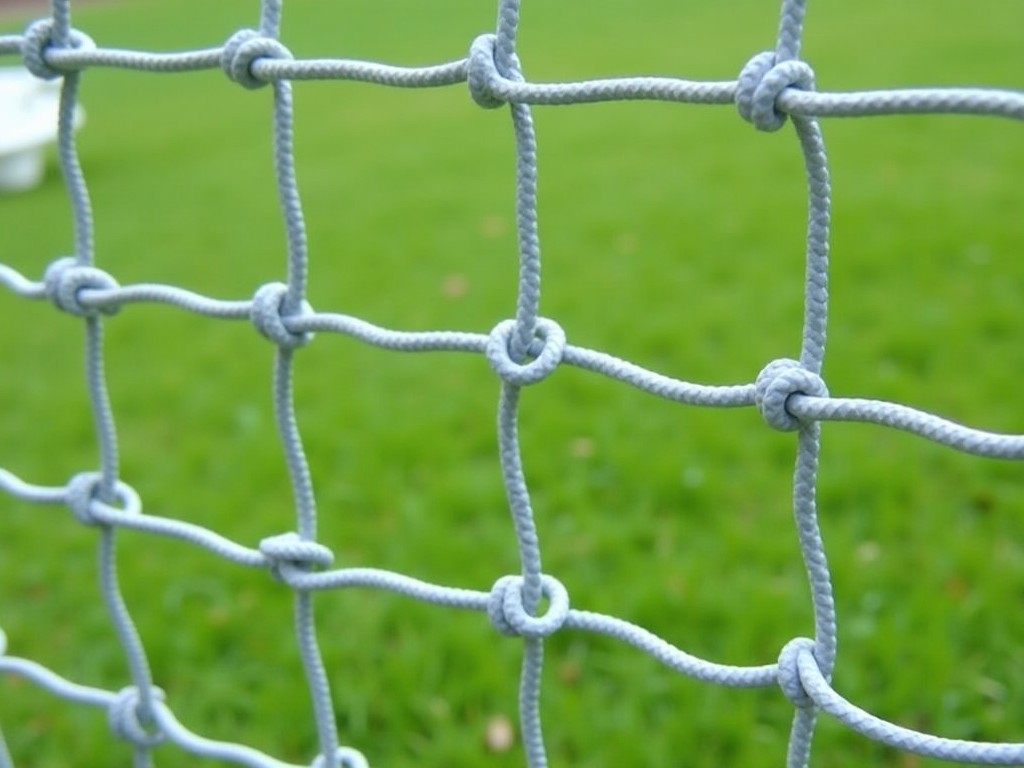
Snake Proof Wire Mesh Fencing: Technical Specifications and Applications
Industrial facilities, agricultural operations, and wildlife management sites require physical barriers that prevent snake intrusion without compromising structural integrity or visibility. Snake proof wire mesh fencing addresses this need through precise aperture engineering and material selection designed to exclude serpents while maintaining durability in outdoor environments. This page details the technical characteristics, material options, and installation considerations for effective snake exclusion systems.
Engineering Principles of Snake Exclusion
Snake exclusion relies on preventing passage through openings smaller than the smallest snake species expected in the environment. Most venomous snakes in industrial zones have body diameters exceeding 15mm when fully grown, though juveniles may be smaller. Effective mesh apertures must therefore be ≤12mm to block all life stages while allowing adequate airflow and visibility for surveillance. This dimension is derived from herpetological studies on snake morphology and behavior under confinement stress.
Material choice affects long-term performance. Galvanized steel wire with zinc coating provides sacrificial protection against corrosion in humid or chemically exposed environments. For coastal or industrial atmospheres with high chloride exposure, stainless steel grades 304 or 316 offer superior resistance to pitting and crevice corrosion. Wire diameter influences both rigidity and snake resistance; thinner wires may deform under impact, creating temporary gaps, while excessive thickness reduces flexibility during installation.
Tension stability is critical. Mesh must remain taut after installation to prevent sagging that could create gaps at the base or between posts. Proper tensioning ensures the aperture size remains consistent under wind load, thermal expansion, and occasional contact from wildlife or equipment. Posts and bracing systems must be designed to maintain this tension over years of service without requiring frequent retensioning.
Material and Configuration Options
- Wire Material: Hot-dip galvanized steel (ASTM A123), SS304, or SS316
- Wire Diameter: 1.6mm to 2.5mm (galvanized), 1.2mm to 2.0mm (stainless)
- Mesh Aperture: 10mm, 12mm, 15mm, 20mm (square or hexagonal)
- Roll Height: 0.9m, 1.2m, 1.5m, 1.8m, 2.0m
- Roll Length: 10m, 20m, 25m, 50m (custom lengths available)
Hexagonal weave (chicken wire style) provides inherent flexibility and resistance to unraveling if cut, while square weave offers higher tensile strength and more uniform aperture distribution. For high-impact zones such as gate areas or equipment perimeters, reinforced border wires or double-stranded edges can be specified to resist deformation from accidental contact.
Performance Comparison: Material Suitability by Environment
| Environment | Recommended Material | Corrosion Resistance | Expected Lifespan |
|---|---|---|---|
| Inland industrial (low salinity) | Hot-dip galvanized steel | Moderate (zinc coating) | 10–15 years |
| Coastal or marine-adjacent | Stainless steel 316 | High (molybdenum-enhanced) | 20+ years |
| Agricultural with fertilizer exposure | Stainless steel 304 | Good | 15–20 years |
| Temporary or seasonal barriers | Galvanized steel (light coating) | Low to moderate | 3–5 years |
Note: Lifespan estimates assume proper installation, drainage to prevent water pooling at base, and absence of mechanical damage. Actual performance varies with local humidity, pollutant concentration, and maintenance practices.
Installation Considerations for Effective Exclusion
Ground clearance is the most common failure point in snake barriers. Snakes can exploit gaps as small as 5mm between the mesh and the substrate. To prevent subterranean passage, the bottom edge of the fencing must be either buried 100–150mm deep in an L- or J-shaped configuration, or secured to a concrete curb or metal sill plate with continuous contact. Backfilling with compacted soil or gravel prevents erosion that could create voids over time.
Post spacing should not exceed 2.5m for galvanized mesh or 3.0m for stainless steel to limit deflection under load. Corner and gate posts require bracing to resist lateral tension. Where fencing crosses uneven terrain, the mesh should follow the contour with minimal gaps; stepping the base or using flexible connectors at grade changes maintains continuity. All connections—whether wire ties, hog rings, or welded joints—must maintain aperture integrity.
Vegetation management is essential. Climbing plants or debris accumulated against the fence can provide snakes with a bypass route. A clear zone of 300mm on both sides of the barrier should be maintained through regular trimming or herbicidal treatment (where permitted). Inspection intervals should include checking for corrosion at connection points, mesh deformation, and post stability, particularly after extreme weather events.
Customization and Project-Specific Adaptation
Standard roll dimensions accommodate most perimeter applications, but specialized installations may require non-standard heights, tapered sections for uneven terrain, or integrated access points. Gates can be fabricated using the same mesh specification with reinforced frames and self-closing mechanisms to maintain barrier integrity. For elevated structures such as catwalks or platforms, vertical snake barriers can be installed beneath grating to prevent upward migration.
In environments with electromagnetic sensitivity—such as substations or communication facilities—non-magnetic stainless steel (e.g., 316L) may be specified to avoid interference. Similarly, where UV degradation of fastening materials is a concern, nylon-coated or polypropylene-coated wire ties can replace standard steel fasteners to extend service life without compromising exclusion performance.
Technical support is available for aperture validation based on regional snake species profiles. Providing local herpetological data or environmental survey reports allows engineers to recommend the optimal mesh size and material grade for your specific risk profile, avoiding over-specification while ensuring effective exclusion.
Quality Control and Testing Protocols
Each roll undergoes dimensional verification during production, with aperture size measured at multiple points using calibrated gauges to ensure consistency. Wire tensile strength and elongation are tested per ASTM A370 for galvanized steel and ASTM A887 for stainless steel variants. Coating weight for galvanized mesh is verified via magnetic induction or gravimetric methods to meet minimum zinc coating standards (typically 275 g/m² for heavy-duty applications).
Finished rolls are inspected for visual defects such as wire breaks, uneven weaving, or coating defects before packaging. Batch records include raw material certifications, test results, and production timestamps. For projects requiring third-party validation, mill test reports and conformity documentation can be provided upon request.
Packaging uses UV-stabilized polyethylene film to protect against moisture and abrasion during transit and storage. Rolls are labeled with material type, wire diameter, aperture size, length, and batch number. Custom labeling or barcoding for inventory integration is available for large-volume orders.
For technical inquiries, custom specifications, or project consultation, contact our engineering team to discuss your snake exclusion requirements.
Product Categories


Send Inquiry
If you are interested in our products, leave your information here and we will be in touch shortly.